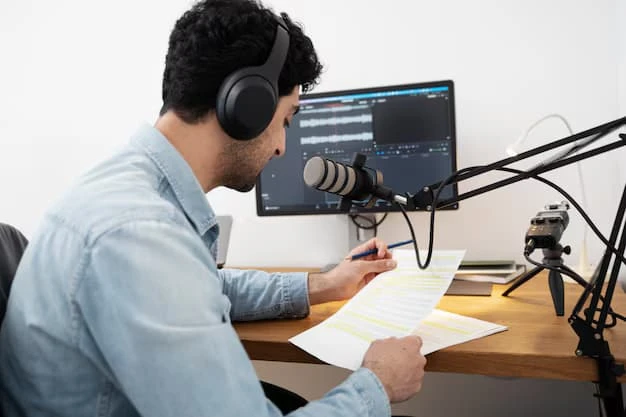

In today’s fast-paced digital world, businesses, professionals, and content creators rely heavily on clear communication and efficient information management. Audio recordings have become a staple for meetings, interviews, podcasts, and lectures, but reviewing them can be time-consuming. That’s where an audio transcription service becomes invaluable. By converting spoken words into accurate written text, these services save time, improve accessibility, and make information easier to analyze and share.
However, not all transcription services are the same. Choosing the right one depends on a careful balance of quality, speed, pricing, and security. Understanding what to look for helps ensure that the transcription service you select aligns perfectly with your goals.
Understanding What an Audio Transcription Service Does
An audio transcription service transforms recorded audio files into text documents. These recordings might include interviews, meetings, lectures, webinars, podcasts, or even court proceedings. The resulting text can be used for reference, publication, content creation, or recordkeeping.
Some transcription services rely on professional human transcribers who manually listen and type out every word. Others use artificial intelligence (AI) to automate the process. Many modern services combine both, using AI for initial drafts and human editors for accuracy checks.
Regardless of the method, the main goal of an audio transcription service is to provide a reliable, readable, and well-formatted transcript that accurately captures the content of the recording.
Key Factors to Consider When Choosing a Transcription Service
Selecting the right service requires understanding what makes one provider stand out from another. The following factors play a crucial role in determining whether a service meets your specific needs.
Accuracy and Quality of Transcripts
Accuracy is the foundation of any transcription service. Even a small error can change the meaning of a sentence, leading to misunderstandings or misinterpretations. The best services maintain high accuracy rates, even with challenging accents, background noise, or multiple speakers.
Human-based transcription typically offers higher accuracy than automated systems, but advances in AI have significantly improved machine-generated results. When choosing a service, look for one that guarantees at least 95% accuracy or provides a combination of AI and human review for the best results.
Turnaround Time
Time is a critical factor for professionals who rely on fast content delivery. Depending on the urgency, transcription services can offer standard or express options. Automated tools usually deliver transcripts within minutes, while human-based transcription might take several hours or even a full day, depending on the audio length and complexity.
It’s important to balance speed with quality. Instant results are appealing, but they may require additional proofreading if not properly reviewed.
Pricing and Cost Transparency
Different transcription services have different pricing models. Some charge per minute of audio, while others offer subscription-based plans. Always ensure that pricing is transparent—hidden fees for difficult audio, multiple speakers, or specific formatting can quickly increase costs.
Before choosing a service, compare the pricing structures and make sure you understand what’s included. Affordable pricing should not come at the expense of accuracy or reliability.
Confidentiality and Data Security
Many audio recordings contain sensitive or confidential information, such as legal discussions, medical consultations, or corporate strategies. For that reason, data protection should be a top priority.
Reputable audio transcription services use secure servers, encryption, and confidentiality agreements to ensure client privacy. Always check a provider’s data handling policies before sharing any recordings. A trustworthy service will be transparent about how they protect client data.
Flexibility and File Compatibility
Modern transcription platforms support a variety of audio file types including MP3, WAV, M4A, and others. This flexibility ensures that you can upload files from any recording device or platform.
Additionally, some services provide features such as speaker identification, time-stamping, or custom formatting to make transcripts easier to navigate. The more adaptable the service, the more value it brings to diverse users.
Customer Support and Reliability
Reliable customer support makes a big difference, especially if transcription is an essential part of your workflow. Whether it’s troubleshooting a file upload or clarifying turnaround times, responsive support ensures peace of mind.
Before committing to a provider, review their communication channels email, chat, or phone and consider the availability of live assistance.
Understanding the Types of Transcription Services
Different needs call for different transcription styles. Knowing which type fits your purpose can help you choose the right service more efficiently.
Verbatim Transcription
This method captures every word, pause, and filler sound (like “um” or “uh”). It’s useful for legal or research contexts where every detail matters.
Clean Read Transcription
In this version, unnecessary fillers and repetitions are removed for smoother readability. It’s ideal for business meetings, interviews, and podcasts intended for publication.
Edited Transcription
This form goes beyond clean read transcription by improving grammar and flow without changing meaning. It’s often used for producing articles, reports, or readable transcripts for online publishing.
Understanding which type you need will help narrow down your search for the most suitable audio transcription service.
When to Choose Human Transcription Over AI
While AI-powered transcription tools are fast and cost-effective, human transcribers still hold an edge in certain areas. For instance, human transcriptionists excel at understanding context, dialects, and industry-specific terminology. They can also distinguish between overlapping voices and handle poor-quality recordings more effectively.
If your project involves technical or nuanced content, or if you require perfect accuracy, human transcription is the better option. However, for quick, general-purpose transcriptions—like content drafts or meeting notes AI-based transcription can save time and costs.
Some providers combine both methods to deliver fast yet accurate results. The hybrid approach ensures efficiency while maintaining quality.
Benefits of Using a Reliable Audio Transcription Service
The advantages of investing in a dependable transcription service extend beyond convenience. They can transform how individuals and organizations manage and use information.
Improved Accessibility and Inclusion
Written transcripts make audio content accessible to a wider audience, including those with hearing impairments or non-native speakers. They also allow easy sharing and distribution of key information across platforms.
Enhanced Productivity
Professionals can focus on more valuable tasks when transcription work is outsourced. Instead of manually taking notes, they can review accurate transcripts to find the information they need quickly.
Better Recordkeeping and Searchability
A transcript provides a permanent, searchable record of conversations or discussions. This makes referencing past meetings, interviews, or events faster and more efficient.
Supports Content Creation
For podcasters, journalists, and marketers, transcription simplifies content repurposing. The text from audio recordings can be turned into articles, social media posts, or scripts, maximizing content reach.
How to Identify the Best Fit for Your Needs
Choosing the best audio transcription service ultimately depends on your purpose. Start by identifying what matters most: is it accuracy, cost, speed, or customization?
- For quick personal use or rough drafts, automated transcription may suffice.
- For professional, legal, or research use, human-based or hybrid services are more reliable.
- For high-volume needs, a service with bulk pricing or subscription options may be more cost-effective.
Before making a decision, it’s helpful to test a small sample file first. This allows you to evaluate the service’s quality, turnaround time, and ease of use before committing to a long-term plan.
Bringing It All Together
Finding the perfect audio transcription service involves more than just comparing prices it’s about aligning the service’s strengths with your needs. Whether accuracy, speed, or data security takes top priority, a well-chosen transcription partner ensures that your audio recordings are transformed into reliable, high-quality text that supports productivity and communication.
For those seeking professional and efficient transcription support, PrismaScribe offers a trusted solution. With a focus on accuracy, clarity, and speed, it helps individuals and teams convert their recordings into well-structured, readable transcripts effortlessly. Choosing PrismaScribe means choosing precision and convenience helping users save time, stay organized, and work smarter every day.



























Sign in to leave a comment.