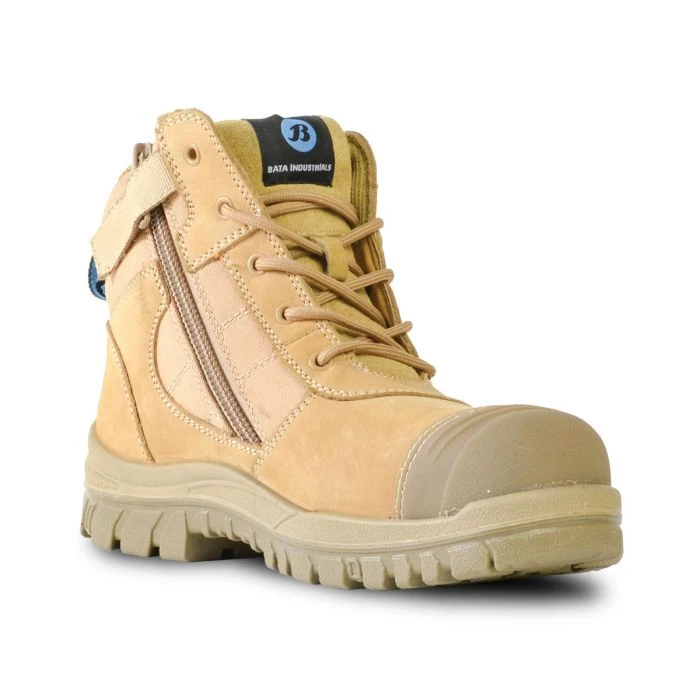
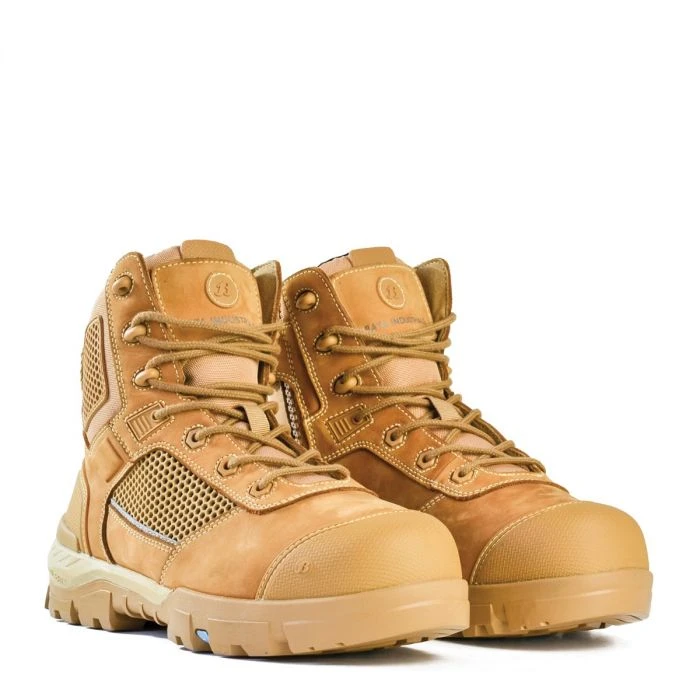
Work boots are a foundational piece of personal protective equipment for countless industries — from construction and manufacturing to landscaping and warehouse operations. While traditional lace-up boots are reliable and ubiquitous, zip-sided work boots have surged in popularity for the blend of convenience, protection, and comfort they offer. If you’re looking to invest in a pair that performs well, lasts longer, and keeps you safe and comfortable on the job, it’s important to know what features to look for.
Why Choose Zip-Sided Work Boots?
Before diving into specific features, let’s explore why zip-sided work boots deserve serious consideration.
Traditional lace-ups require time and effort at the start and end of every shift. Zip-sided boots, on the other hand:
- Save time — Zippers make putting on and removing boots fast and effortless.
- Provide consistent fit — No need to constantly re-tie laces.
- Increase durability — Fewer stress points compared to repeated lace tightening.
- Offer clean aesthetics — Zippers give a sleek, professional look.
For workers who are on their feet all day, need rapid transitions between tasks, or want reliable protection without fuss — zip-sided boots can be a smart choice.
Durability & Build Quality
A durable boot is a smart investment. You want a boot that can withstand the daily grind — from rough terrain to heavy use.
Upper Material
The upper is the boot’s outer layer, and its material significantly impacts longevity and performance. Common materials include:
- Full-grain leather: Excellent durability, abrasion resistance, and weather protection.
- Split-grain leather: A more affordable option with good performance, though less robust than full-grain.
- Synthetic textiles: Lightweight and breathable, ideal for moderate conditions.
Look for quality stitching, reinforced seams, and protective panels — especially around high-wear areas like the toe and heel.
Zipper Quality
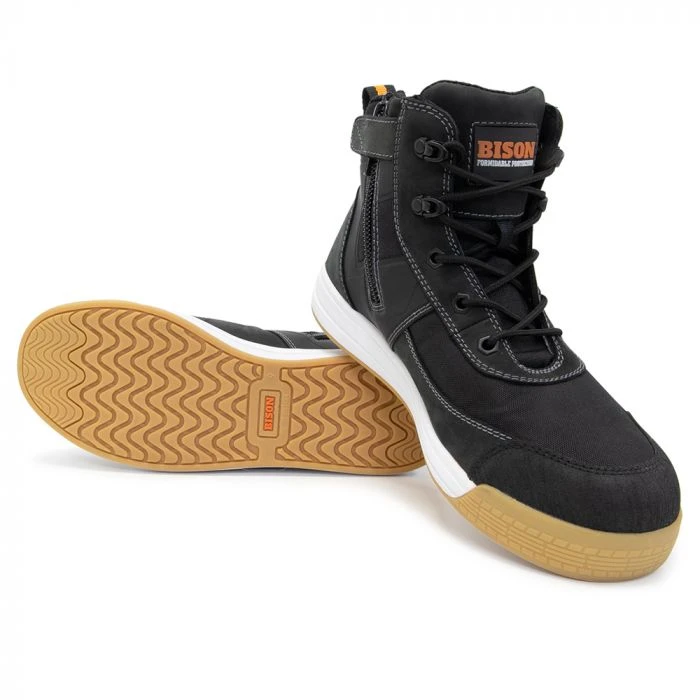
Since the zipper is a central feature, choosing one made of heavy-duty metal or rugged molded plastic is crucial. The zipper should glide smoothly without catching and be protected by a storm flap to prevent debris from jamming it.
Steel-toe and composite-toed models with durable zippers maintain performance without sacrificing safety.
Safety Toe Protection
Safety toe protection is a non-negotiable feature for many work environments.
Types of Safety Toes
- Steel Toe: Traditional and highly protective, ideal for heavy industrial work.
- Composite Toe: Made from carbon fiber, Kevlar, or plastic — lighter weight and non-metallic (great for metal detectors).
- Alloy Toe: Strong and lighter than steel, offering good protection without bulk.
When selecting zip-sided boots, ensure the safety toe meets relevant safety standards like ASTM F2413 (USA) or similar regional certifications. Proper toe protection significantly reduces the risk of serious foot injuries.
Comfort & Fit
A boot that protects but doesn’t support you properly can still lead to fatigue, soreness, and even injury. Comfort and fit should be prioritized.
Cushioning and Insoles
Look for boots with ergonomic footbeds, memory foam, or removable cushioned insoles. These features:
- Reduce foot fatigue
- Provide shock absorption
- Improve long-term comfort
Removable insoles also allow you to insert custom orthotics if needed.
Arch Support & Fit
Everyone’s foot shape is different, so consider your arch type:
- Low arches: Boots with stable midsoles and gentle arch support.
- High arches: Boots with deeper, contoured insoles.
- Wide feet: Look for wide-fit options with adequate room in the toe box.
Ensure the boot fits snugly but not too tight. Zip-sided designs should feel secure around the ankle without pinching.
Traction & Outsole Performance
The outsole — the bottom part of the boot — influences traction, stability, and slip resistance.
Slip Resistance
Good work boots should have slip-resistant outsoles, especially if you work on oily, wet, or uneven surfaces. Rubber compounds and specialized tread patterns improve grip and reduce slip risk.
Material & Tread Design
- Rubber outsoles: Offer solid traction and durability.
- Polyurethane outsoles: Provide excellent shock absorption and lightweight feel.
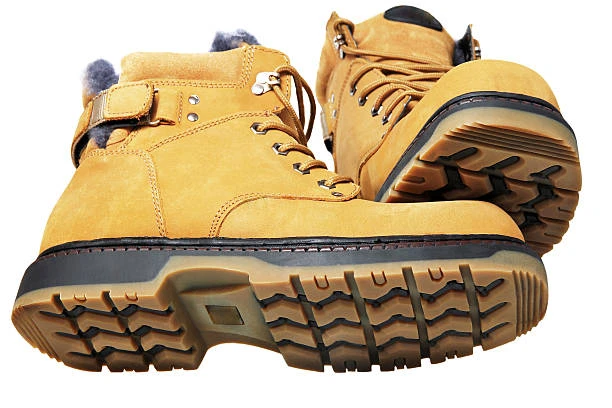
- Deep lug patterns: Help shed mud, dirt, and debris while improving ground contact.
Match the outsole type to your work environment — aggressive tread patterns for outdoor jobs and flatter soles for indoor workspaces.
Waterproofing & Weather Protection
Your boots should protect against the elements, especially in wet or cold climates.
Waterproof Membranes
Look for boots with waterproof liners like Gore-Tex or proprietary waterproof membranes. These keep water out while allowing breathability, preventing sweat build-up.
Water-Resistant Materials
Leather and treated textiles help repel water. Combined with sealed seams and protective tongues behind the zippers, these features keep moisture at bay.
In colder environments, consider boots with additional insulation to retain warmth without overheating.
Ankle Support & Stability
Zip-sided boots often come in mid-height or high-top styles that provide excellent ankle support. For physically demanding work, this support:
- Prevents ankle rolls and sprains
- Improves stability on uneven terrain
- Enhances overall safety
Look for boots with padded collars and supportive midsoles that hold the foot securely.
Breathability & Temperature Control
A boot that traps heat will quickly become uncomfortable, especially in warm conditions or long shifts.
Breathable Liners
Mesh panels and breathable membranes help air circulate, reducing sweat and odor. This is particularly important if you work in hot weather or engage in high-activity tasks.
Insulation for Cold Weather
For winter worksites, look for boots with Thinsulate or similar insulation — warmth without excess bulk.
Ease of Maintenance & Repairability
Work boots take a beating, and your investment should be easy to maintain.
Clean-Up & Care
Leather boots benefit from regular cleaning and conditioning to prevent cracking and drying. Synthetic materials may only need basic brushing or wiping.
Replaceable Parts
Some boots offer replaceable insoles or resoleable outsoles — features that can extend the life of your boots and save money over time.
Price vs. Value
Quality zip-sided work boots come in a range of prices. While budget options might save money upfront, durable models with better safety features, comfort, and materials often deliver greater long-term value.
When choosing, consider:
- How often you wear the boots
- The demands of your work environment
- Safety requirements of your job
Investing in a reliable pair not only protects your feet but also enhances productivity and comfort.
Final Thoughts
Choosing the best zip-sided work boots means looking beyond aesthetics. The ideal pair blends durability, comfort, safety, and performance tailored to your work conditions. Pay close attention to materials, protective features, comfort components, and sole performance to ensure you get boots that stand up to the demands of your daily grind.
Whether you’re stepping onto a construction site, managing equipment, or navigating slippery warehouse floors, the right pair of zip-sided work boots can make all the difference—keeping you safe, comfortable, and ready for whatever the workday throws your way.
Sign in to leave a comment.