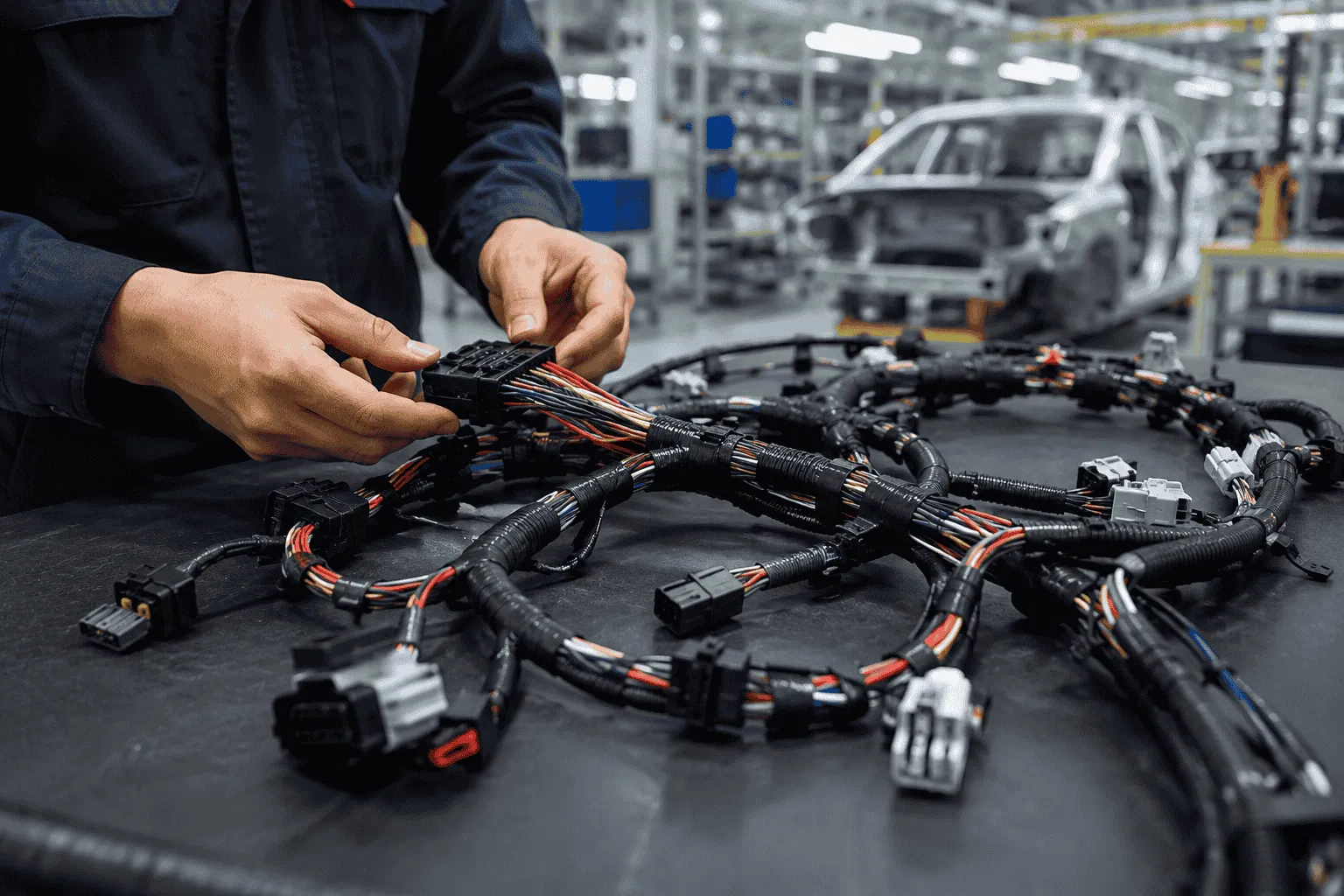

In the automotive industry, reliability is rarely defined by a single component. Instead, it is the result of hundreds of interconnected components and systems working together every day, under different operating conditions and environments we might never predict. Among these systems, the wiring network often receives less to no attention than engines, batteries, or electronics. Yet it plays a critical role in keeping every vehicle functional and safe.
Think about a modern vehicle. It depends on different electrical components like sensors, lighting systems, infotainment units, battery management systems, safety features and electronic control modules. All of these systems rely on one common element that is the wiring harness that carries power and signals throughout the vehicle.
As vehicles become more advanced in 2026, the demand for dependable automotive electrical wiring harness solutions continues to grow. Manufacturers are under pressure to improve quality, reduce downtime and support new technologies, especially in electric and connected vehicles.
This raises an important question. How do you choose a supplier that can consistently deliver quality, reliability, and long term value?
The answer goes far beyond pricing and product availability. It requires a closer look at technical expertise, manufacturing capabilities, quality standards, and partnership potential. Let’s explore what truly matters when selecting the right supplier for long-term automotive performance.
Why Wire Harness Quality Has Become More Important Than Ever
The automotive industry is undergoing a major transformation. Vehicles today contain more electronics than ever before, and this trend continues to accelerate.
According to the International Energy Agency, global electric vehicle sales surpassed 17 million units in 2024, accounting for more than 20% of all new vehicle sales worldwide. As electrification expands at an exponential rate wiring systems are becoming more sophisticated and critical.
Every modern vehicle relies on a complex network of electrical connections. Premium vehicles can contain thousands of wires and several kilometres of cabling. These networks are responsible for transmitting power, signals and data across multiple systems.
This growing complexity means that even a small issue in the wiring harness can affect overall vehicle performance.
For manufacturers, this creates a clear challenge. The quality of the harness supplier directly impacts product reliability, warranty costs, customer satisfaction, and operational efficiency.
That is why experienced automotive wire harness suppliers are increasingly viewed as strategic partners rather than component vendors.
Understanding the Role of an Automotive Wire Harness
Before evaluating suppliers, it helps to understand what a wire harness actually does.
An automotive wire harness organises and protects electrical wires within a vehicle. It ensures that power and communication signals travel efficiently between components while minimising the risk of damage from vibration, heat, moisture and movement.
Without a properly designed harness, vehicles would contain loose wires spread throughout the system. This would increase the likelihood of failures, make maintenance difficult and reduce overall safety.
A well designed harness delivers several benefits which are below,
- Improved electrical reliability
- Better protection against environmental conditions
- Easier installation during vehicle assembly
- Reduced maintenance requirements
- Enhanced safety and performance
As automotive technologies continue evolving, harness systems must support higher levels of complexity while maintaining consistent performance over time.
This is where supplier selection becomes increasingly important.
Looking Beyond Cost When Evaluating Suppliers
One of the most common mistakes buyers make is focusing primarily on price.
Cost is certainly an important factor. However, choosing a supplier solely based on pricing can create long-term challenges that outweigh any initial savings.
A lower cost harness may seem attractive during procurement, but recurring failures, delayed deliveries or inconsistent quality can quickly increase overall costs.
Instead, buyers should evaluate the total value a supplier brings to the table.
Experienced vehicle wire harness manufacturers invest heavily in engineering expertise, testing facilities, quality management systems and production processes. These investments help ensure consistent performance throughout the product lifecycle, which maintains the image of the brand in the market.
When assessing suppliers, consider questions such as
- Do they have experience serving automotive OEMs and Tier suppliers?
- What quality certifications do they maintain?
- How robust are their testing procedures?
- Can they support future vehicle technologies?
- How reliable is their delivery performance?
The answers often reveal much more about a supplier’s long-term value than pricing alone.
The Importance of Engineering and Design Expertise
Every vehicle platform has unique requirements.
Passenger cars, commercial vehicles, tractors, electric vehicles, two wheelers, and industrial vehicles all require different wiring configurations. A supplier must understand these differences and provide solutions that align with specific application needs.
This is where engineering capability becomes a major differentiator.
Leading custom wire harness suppliers work closely with customers during the design phase. They help optimise routing paths, improve durability, reduce unnecessary weight, and ensure compatibility with vehicle systems.
Strong engineering support can help manufacturers with things like,
- Improve assembly efficiency
- Reduce installation complexity
- Enhance product reliability
- Minimise future maintenance issues.
- Support evolving technology requirements
Consider electric vehicles as an example.
EVs require advanced battery management systems, charging infrastructure and high voltage connections. These systems demand specialised wiring that goes beyond conventional vehicle requirements.
A supplier with deep engineering expertise can help address these challenges before they become production issues.
This proactive approach often saves significant time and resources later in the vehicle development process.
Why Manufacturing Consistency Matters
Even the best design can fail if manufacturing quality is inconsistent.
Imagine receiving a wire harness that performs perfectly during prototype testing, only to encounter quality variations in large production batches. Such inconsistencies can disrupt assembly lines, increase inspection costs and create reliability concerns that are bad for brand image.
This is why manufacturing capability deserves close attention.
Reliable automobile cable harness suppliers maintain strict process controls throughout production. Every stage, from raw material sourcing to final inspection, should follow clearly defined quality procedures.
Look for suppliers that emphasise
- Process standardization
- Product traceability
- Automated testing systems
- Skilled production teams
- Continuous quality monitoring
Many leading suppliers also comply with IATF 16949, the globally recognised quality management standard for automotive manufacturing.
Certification alone is not enough, but it does indicate a commitment to maintaining structured quality processes.
Consistent manufacturing helps ensure that every harness delivered meets the same performance expectations.
For automotive manufacturers, that consistency can significantly reduce risk.
Evaluating Supply Chain Strength and Delivery Reliability
Product quality is only one part of the equation.
A supplier may produce excellent harnesses, but if deliveries are delayed, production schedules can quickly be affected.
Automotive manufacturing depends on precise timing. Assembly lines operate according to carefully planned schedules, and disruptions can be costly.
This makes supply chain reliability a critical consideration.
Strong suppliers typically demonstrate
- Stable raw material sourcing
- Production scalability
- Inventory management capabilities
- Efficient logistics systems
- Accurate forecasting processes
As global demand for vehicles continues to grow, supply chain resilience becomes even more important.
According to the International Organisation of Motor Vehicle Manufacturers, global vehicle production exceeds 90 million units annually. Supporting this scale requires suppliers capable of maintaining consistent production and delivery performance.
When evaluating potential partners, ask about their capacity planning processes and contingency measures.
A supplier prepared for unexpected disruptions is often better positioned to support long-term growth.
The Rising Need for Customisation
Standardised products work well in many applications. However, modern vehicles increasingly require tailored solutions.
Manufacturers are looking for ways to improve efficiency, reduce weight, optimise space, and support advanced technologies.
This is where customisation creates significant value.
Experienced custom wire harness suppliers can develop solutions specifically designed for unique vehicle requirements.
Customisation may involve
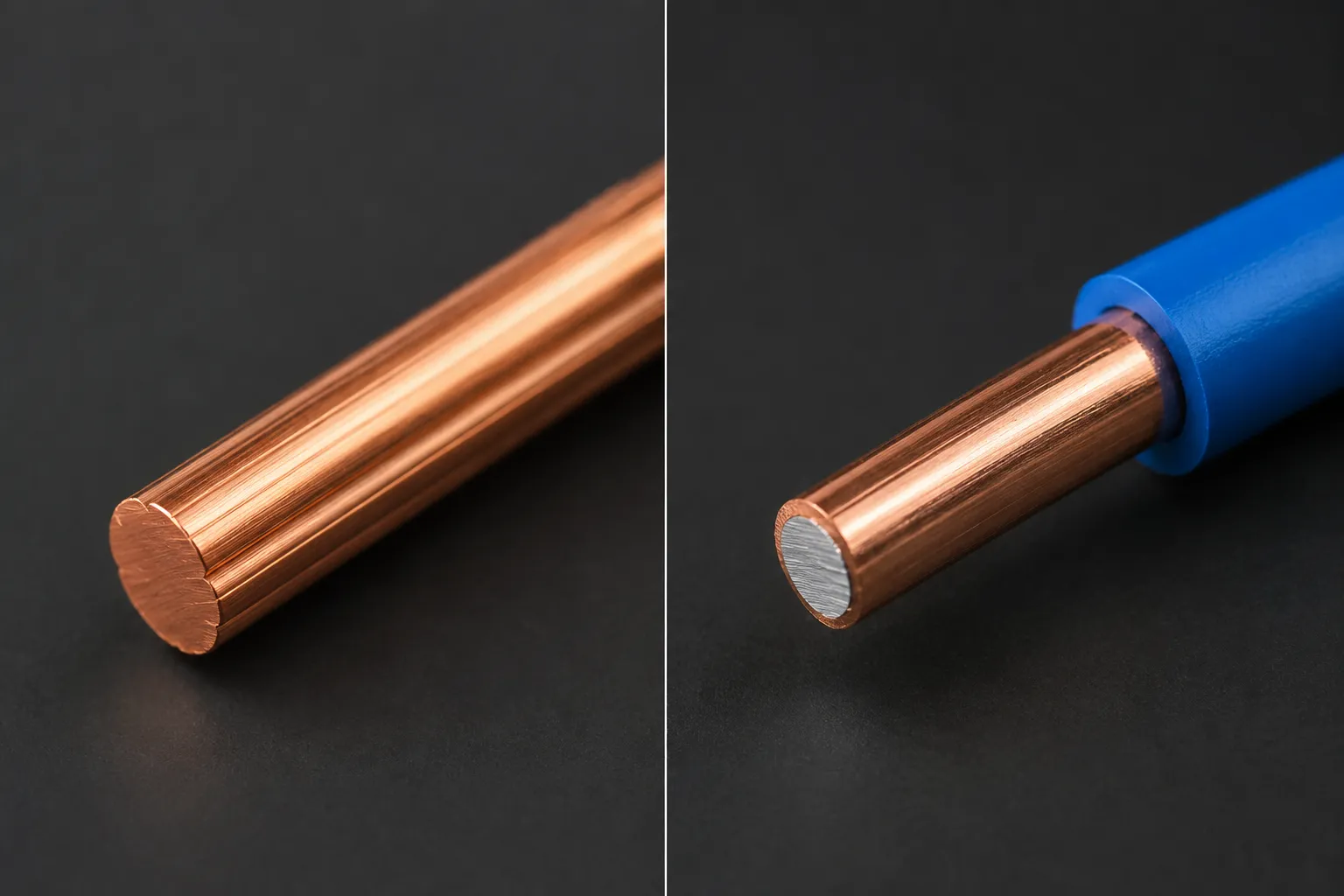
- Specialised conductor configurations
- Application specific routing
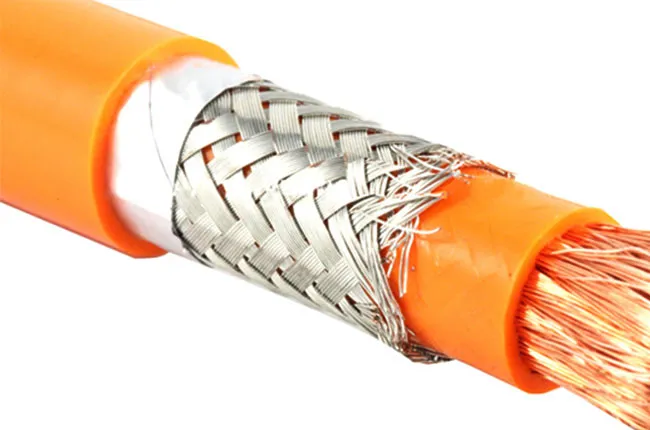
- Enhanced environmental protection
- Compact harness designs
- High current carrying capabilities
- Integration with advanced electronic systems
The ability to customise allows manufacturers to align harness performance with vehicle objectives.
More importantly, it helps create solutions that remain reliable throughout the vehicle’s operating life.
As vehicle architectures continue evolving, customisation will become even more important.
Building a Partnership for Long-Term Success
Choosing a supplier is not simply a purchasing decision.
The most successful automotive companies build long-term partnerships with suppliers who contribute to innovation, problem-solving, and continuous improvement.
Think about the challenges facing the industry today.
Electrification is expanding. Connected vehicles are becoming mainstream. Advanced driver assistance systems continue to evolve. Software defined vehicles are gaining momentum.
Navigating these changes requires collaboration.
The best automotive wire harness suppliers offer more than products. They provide technical guidance, engineering support, production expertise, and a commitment to continuous improvement.
A strong supplier relationship often delivers benefits such as
- Faster product development
- Improved quality outcomes
- Better communication
- Reduced operational risk
- Greater adaptability to future requirements
These advantages become increasingly valuable as vehicle technologies grow more complex.
When suppliers and manufacturers work together toward shared goals, long-term performance becomes much easier to achieve.
A Practical Framework for Supplier Selection
With so many factors to consider, it helps to approach supplier evaluation systematically.
Before making a final decision, consider the following checklist
- Verify automotive industry experience.
- Review engineering and design capabilities.
- Assess customisation expertise
- Evaluate testing and validation procedures.
- Examine manufacturing consistency
- Confirm quality certifications.
- Assess supply chain reliability.
- Review delivery performance history.
- Evaluate technical support responsiveness.
- Consider future technology readiness.
Each factor contributes to long-term success.
The goal is not simply to identify a supplier who can deliver products today. It is to find a partner capable of supporting your business as industry requirements evolve.
Key Takeaways
- Treat wire harnesses as critical performance components, not commodity products.
- Evaluate suppliers based on quality, expertise, and reliability rather than price alone.
- Look for strong engineering and customisation capabilities.
- Assess manufacturing consistency and quality management systems.
- Verify supply chain resilience and delivery performance.
- Prioritise suppliers that support collaboration and long-term growth.
- Ensure readiness for future automotive technologies and electrification trends.
- Use a structured evaluation process before selecting a supplier.
Looking Ahead to the Future of Automotive Connectivity
As vehicles become smarter, more connected, and increasingly electrified, the importance of reliable wiring systems will continue to grow.
The wiring harness may remain hidden beneath vehicle panels, but its impact is impossible to overlook. It influences safety, efficiency, performance, and customer satisfaction every single day.
Choosing the right supplier is therefore about much more than sourcing a component. It is about protecting product quality, strengthening operational performance, and preparing for future innovation.
The question for manufacturers is not whether they need a reliable wire harness partner. The real question is whether their current supplier is equipped to support the next generation of automotive technology.
The answer to that question could shape vehicle performance for years to come.
























Sign in to leave a comment.