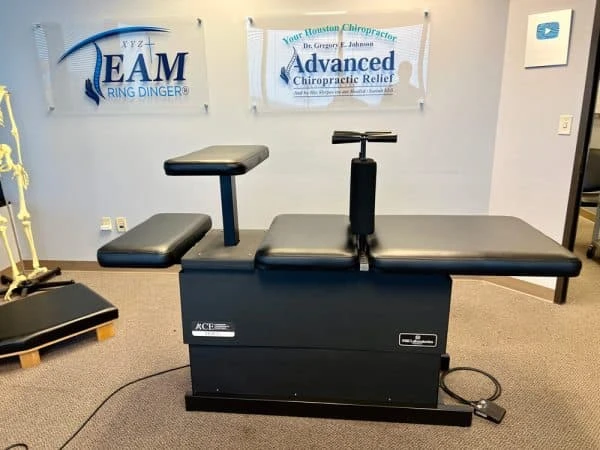

The landscape of chiropractic care is constantly evolving, with innovations in equipment and techniques designed to enhance patient outcomes. Among these advancements, the back traction table stands out as a pivotal tool in the chiropractor's arsenal. Selecting the right back traction table is not merely a matter of preference; it’s about understanding the specific needs of the practice and the patients it serves. This article delves into the significant aspects of choosing the appropriate back traction table, ensuring practitioners make an informed decision that aligns with their clinical goals and patient needs.
Understanding the Purpose of Back Traction Tables
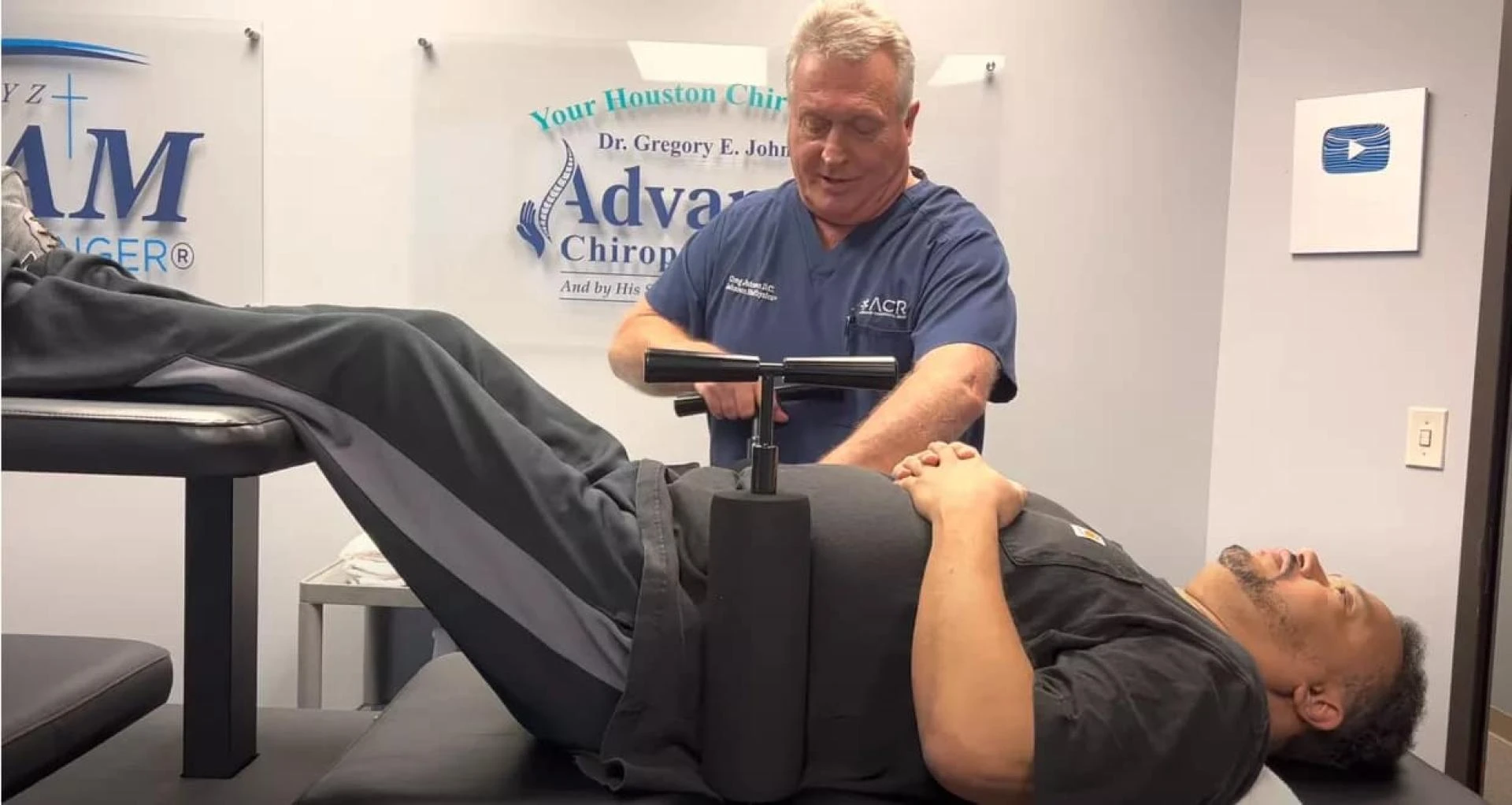
Back traction tables are designed to alleviate pain and improve spinal health by applying controlled traction to the spine. The fundamental concept behind this therapy is to relieve pressure on the vertebrae and intervertebral discs, thereby enhancing circulation and promoting healing. For practitioners, understanding the underlying mechanics and therapeutic benefits of these tables is essential.
In a chiropractic setting, the application of traction can help address conditions such as herniated discs, sciatica, and general back pain. By creating a space between the vertebrae, traction allows for greater mobility and reduced discomfort. Moreover, these tables can be used in various treatment protocols, ranging from manual therapies to advanced automated systems. Hence, it is paramount for practitioners to grasp the complexities of their patients’ needs to select a table that will yield optimal results.
Key Features to Consider When Selecting a Back Traction Table
When it comes to selecting a back traction table, several key features warrant consideration. First and foremost, practitioners should evaluate the adjustability of the table. An adjustable table can accommodate a diverse range of patients, allowing for customizable treatment angles and tension settings. This flexibility is crucial in addressing individual conditions and preferences, leading to more effective treatment outcomes.
Additionally, the construction quality of the table plays a vital role in its longevity and effectiveness. A well-constructed table not only ensures safety for patients but also withstands the rigorous demands of daily use in a chiropractic setting. Practitioners should look for tables crafted from durable materials, providing a stable and reliable platform for therapy.
Furthermore, the design of the back traction table should facilitate ease of use. This includes features such as intuitive controls for automated models, easy entry and exit for patients, and adequate padding for comfort during treatment. A user-friendly design can significantly enhance the overall patient experience and streamline the chiropractor’s workflow.
The Importance of Patient Comfort and Safety
Patient comfort is paramount in any therapeutic setting, and the right back traction table should prioritize this aspect. A table that offers sufficient padding and ergonomic support helps patients feel more at ease during treatment. Additionally, features such as adjustable headrests and limb supports can further enhance comfort, allowing patients to relax and receive treatment without unnecessary strain.
Safety is another critical factor to consider. The table should have robust safety features, including secure restraints and non-slip surfaces, to prevent any risk of injury during treatment. Chiropractors must ensure that the equipment they choose not only promotes healing but also safeguards the well-being of their patients.
Types of Back Traction Tables Available
There are various types of back traction tables available on the market, each designed to cater to different treatment methodologies and patient needs. Manual traction tables allow practitioners to exert direct control over the traction process, making them ideal for hands-on approaches. These tables require a skilled chiropractor to adjust the tension and angles during treatment, providing a personalized experience for each patient.
On the other hand, automated traction tables offer advanced features that can enhance treatment efficiency. These tables often come equipped with preset programs, allowing practitioners to select specific treatment protocols based on patient conditions. Automated tables can save time and reduce the physical strain on chiropractors, enabling them to focus more on patient care and less on manual adjustments.
Additionally, hybrid models combine the benefits of both manual and automated systems, offering versatility in treatment options. Practitioners should assess the demographic of their patient base and the types of conditions they treat most frequently when deciding on the table type that best suits their practice.
Maintenance and Care for Back Traction Tables
Regular maintenance and care for back traction tables are crucial to ensure their longevity and performance. Practitioners should familiarize themselves with the manufacturer's guidelines for upkeep, including routine inspections and cleaning protocols. Maintaining the integrity of the table not only extends its lifespan but also ensures the safety of patients during treatment.
Moreover, incorporating a maintenance schedule can prevent unexpected breakdowns, which can disrupt treatment plans and negatively impact patient care. By prioritizing the upkeep of their equipment, chiropractors can create a consistent and reliable treatment environment.
Evaluating the Brand and Manufacturer
When investing in a back traction table, the reputation of the manufacturer and the quality of their products are vital considerations. Researching various brands and reading reviews from other practitioners can provide valuable insights into the reliability and effectiveness of specific tables. Established manufacturers often offer warranties and customer support, which can be beneficial in case any issues arise post-purchase.
In addition to brand reliability, practitioners should also assess the availability of replacement parts and service options. Choosing a manufacturer that provides comprehensive support can further enhance the overall value of the investment in a back traction table.
Conclusion
Choosing the right back traction table for a chiropractic practice is a significant decision that can greatly affect treatment outcomes and patient satisfaction. By considering factors such as adjustability, construction quality, patient comfort, and safety, practitioners can make informed choices that best suit their clinical needs. Furthermore, evaluating the type of table, maintenance requirements, and the reputation of the manufacturer ensures a well-rounded approach to this important investment. Ultimately, a carefully selected back traction table can enhance the quality of care provided, leading to improved patient outcomes and a thriving chiropractic practice. For those looking for high-quality chiropractic equipment, the expertise and offerings from Advanced Chiropractic Equipment LLC can guide practitioners in finding the ideal solutions for their needs.





























Sign in to leave a comment.