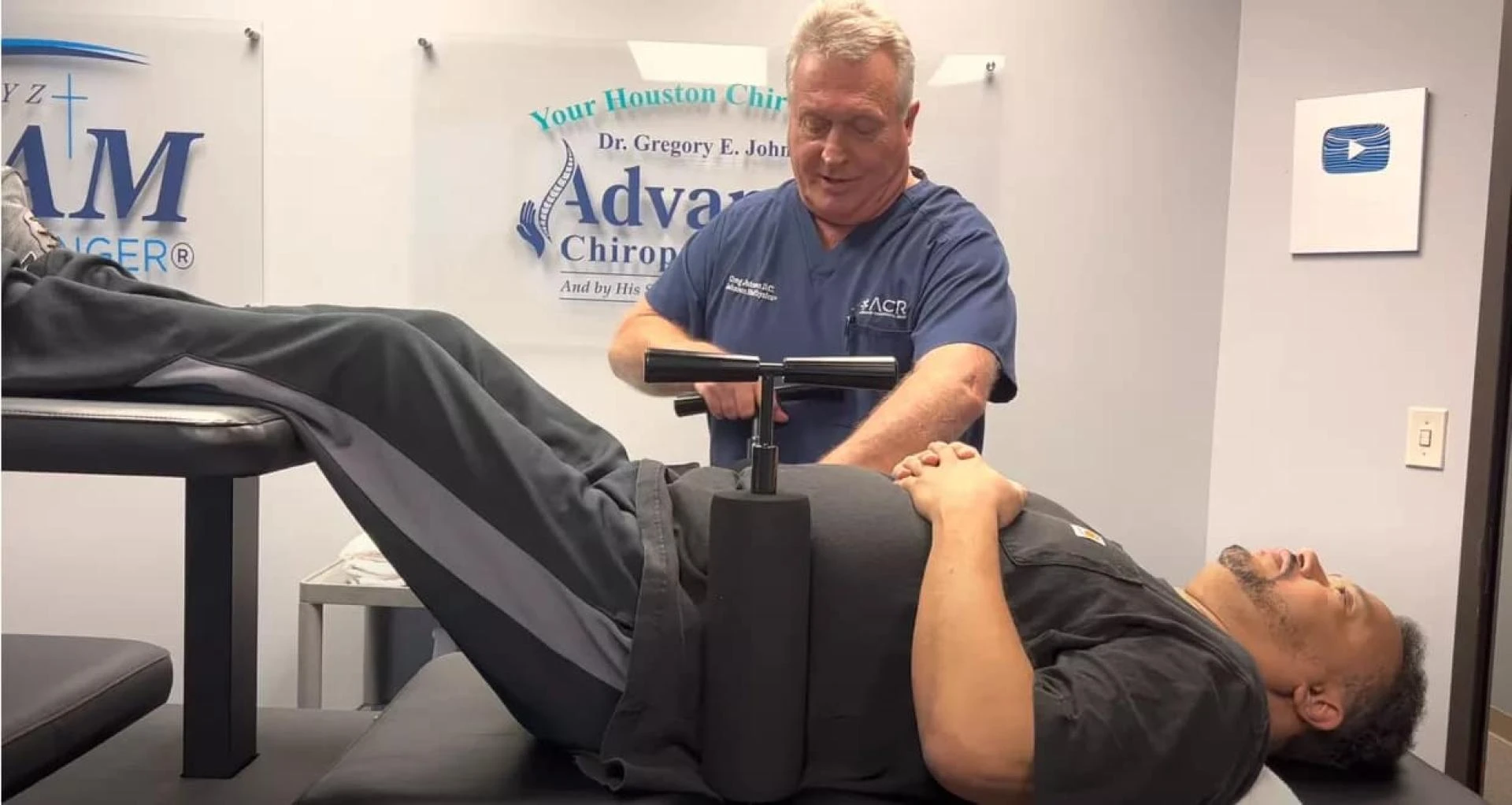

Chiropractic care has evolved significantly over the years, with advancements in technology and techniques enhancing the ability of practitioners to deliver effective treatment. The introduction of innovative chiropractor tools has not only improved patient outcomes but also transformed the overall experience within chiropractic practices. This article explores some of the latest tools revolutionizing the industry, highlighting their benefits and applications in modern chiropractic care.
The Evolution of Chiropractic Tools
Historically, chiropractic care primarily relied on manual adjustments and a limited set of tools. However, as the understanding of spinal health and biomechanics has advanced, so too have the tools designed to support practitioners in their work. The integration of technology into chiropractic care has led to the development of tools that enhance diagnostic capabilities, improve treatment precision, and increase patient comfort.
Today, chiropractors are equipped with a diverse range of tools that enable them to provide personalized care tailored to individual patient needs. These innovations help practitioners address complex conditions more effectively, ultimately enhancing the quality of care offered to patients.
Key Innovative Chiropractor Tools
1. Electronic Muscle Stimulators
Among the most notable innovations in chiropractic care are electronic muscle stimulators. These devices deliver low-voltage electrical impulses to stimulate muscle contractions, promoting relaxation and reducing pain. By targeting specific muscle groups, electronic muscle stimulators can aid in rehabilitation, enhance circulation, and alleviate discomfort associated with muscle tension.
The versatility of these devices allows chiropractors to use them in conjunction with other treatment modalities. For instance, they can be employed before or after manual adjustments to help prepare the muscles for treatment or to promote recovery afterward. The incorporation of electronic muscle stimulators into chiropractic practice enables practitioners to offer a comprehensive approach to patient care.
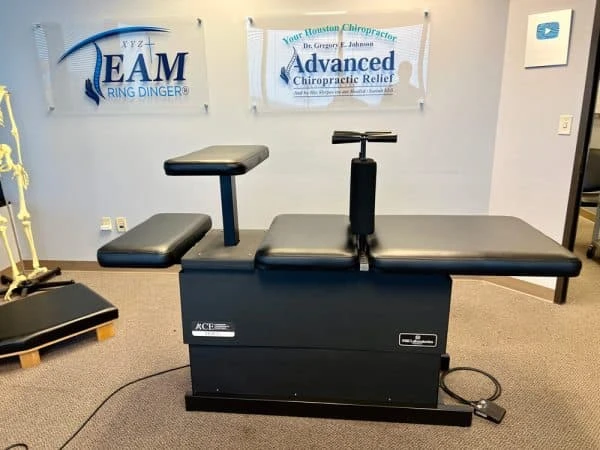
2. Chiropractic Decompression Tables
Chiropractic decompression tables represent another significant advancement in the field. These specialized tables facilitate spinal decompression therapy, which is particularly beneficial for patients suffering from conditions such as herniated discs and sciatica. By creating a negative pressure within the intervertebral discs, decompression tables help alleviate pressure on spinal nerves, promoting pain relief and healing.
The design of decompression tables allows for precise adjustments, enabling practitioners to customize treatments based on individual patient needs. The ability to target specific areas of the spine enhances the effectiveness of decompression therapy, leading to improved patient outcomes. As more practitioners incorporate these tables into their practices, the benefits of spinal decompression therapy continue to gain recognition.
3. Digital X-Ray Systems
The advent of digital X-ray systems has transformed the diagnostic capabilities of chiropractic practices. Unlike traditional film-based X-rays, digital systems provide immediate imaging results, allowing practitioners to assess patients more efficiently. The high-resolution images produced by digital X-ray systems enable chiropractors to identify structural issues within the spine and surrounding tissues with greater accuracy.
Moreover, digital X-ray systems often come equipped with advanced software that allows for enhanced image manipulation and analysis. This capability facilitates more informed treatment planning and helps practitioners communicate findings with patients effectively. By integrating digital imaging into their practices, chiropractors can enhance their diagnostic processes and improve patient care.
4. Laser Therapy Devices
Laser therapy is an innovative tool that has gained popularity in chiropractic care for its ability to promote healing and reduce inflammation. This non-invasive treatment employs low-level lasers to stimulate cellular repair and enhance circulation in the affected areas. Laser therapy can be particularly effective for conditions such as tendonitis, bursitis, and muscle strains.
The precision of laser therapy allows chiropractors to target specific tissues without affecting surrounding areas, making it a safe and effective treatment option. Additionally, laser therapy is typically painless and requires minimal downtime, making it an attractive option for patients seeking relief from chronic pain. The integration of laser therapy into chiropractic practices provides a modern approach to pain management and rehabilitation.
5. Active Release Technique (ART) Instruments
Active Release Technique (ART) is a specialized form of soft tissue treatment that focuses on releasing tension in muscles, tendons, ligaments, and fascia. ART instruments, which include tools designed to apply precise pressure to specific areas, enhance the effectiveness of this technique. These tools aid practitioners in identifying and addressing areas of restriction or adhesion, promoting improved mobility and function.
The use of ART instruments allows chiropractors to deliver targeted treatment that addresses the underlying causes of pain and dysfunction. By incorporating these tools into their practices, chiropractors can enhance their ability to provide comprehensive care that addresses both structural and soft tissue issues.
6. Smart Technology Integration
The integration of smart technology into chiropractic tools is revolutionizing patient care. Devices equipped with sensors and connectivity features allow practitioners to monitor patient progress in real time. For instance, wearable devices can track movement patterns, muscle activity, and even pain levels, providing valuable data that informs treatment plans.
Smart technology also enables chiropractors to offer telehealth services, allowing patients to receive care remotely. This flexibility is particularly beneficial for individuals with mobility challenges or those living in remote areas. By embracing smart technology, chiropractors can enhance patient engagement and improve treatment outcomes.
The Impact of Innovative Tools on Patient Care
The introduction of these innovative chiropractor tools has had a profound impact on patient care. By enhancing diagnostic capabilities, improving treatment precision, and promoting patient comfort, these tools enable chiropractors to deliver more effective and personalized care. Here are some ways in which these advancements have positively influenced patient experiences:
1. Improved Treatment Outcomes
The incorporation of advanced tools in chiropractic practice leads to improved treatment outcomes for patients. With enhanced diagnostic capabilities, chiropractors can identify underlying issues more accurately, allowing for tailored treatment plans that address individual needs. The use of innovative tools, such as decompression tables and laser therapy devices, facilitates targeted interventions that promote healing and pain relief.
2. Enhanced Patient Comfort and Experience
Many of the innovative tools introduced in chiropractic care prioritize patient comfort. For example, electronic muscle stimulators and laser therapy devices are non-invasive and often painless, making them appealing options for patients seeking relief from discomfort. By providing treatments that minimize discomfort and promote relaxation, chiropractors enhance the overall patient experience.
3. Increased Engagement and Compliance
When patients are informed about the tools and techniques used in their treatment, they are more likely to engage in their care actively. The use of digital imaging and smart technology allows practitioners to explain findings and treatment plans clearly, fostering a sense of collaboration between practitioners and patients. This increased engagement leads to higher compliance with treatment recommendations and better long-term outcomes.
4. Expanded Treatment Options
The availability of innovative chiropractor tools expands the range of treatment options available to practitioners. By incorporating various techniques, such as decompression therapy, laser therapy, and soft tissue treatments, chiropractors can address a broader spectrum of conditions. This versatility not only attracts more patients but also enhances the practice's reputation as a comprehensive care provider.
Conclusion
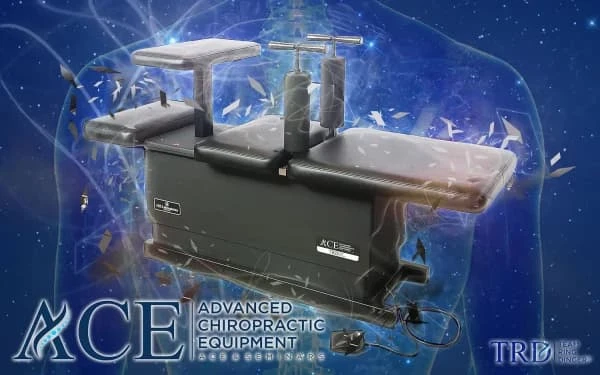
The chiropractic industry is experiencing a revolution driven by innovative tools and technologies that enhance patient care and treatment outcomes. From electronic muscle stimulators to decompression tables and digital imaging systems, these advancements are changing the way chiropractors approach patient treatment. By integrating these innovative tools into their practices, chiropractors can provide more effective, personalized, and comfortable care for their patients. For those looking to explore high-quality chiropractic equipment and tools, Advanced Chiropractic Equipment LLC offers a range of solutions designed to support effective treatment and elevate overall patient care.






























Sign in to leave a comment.