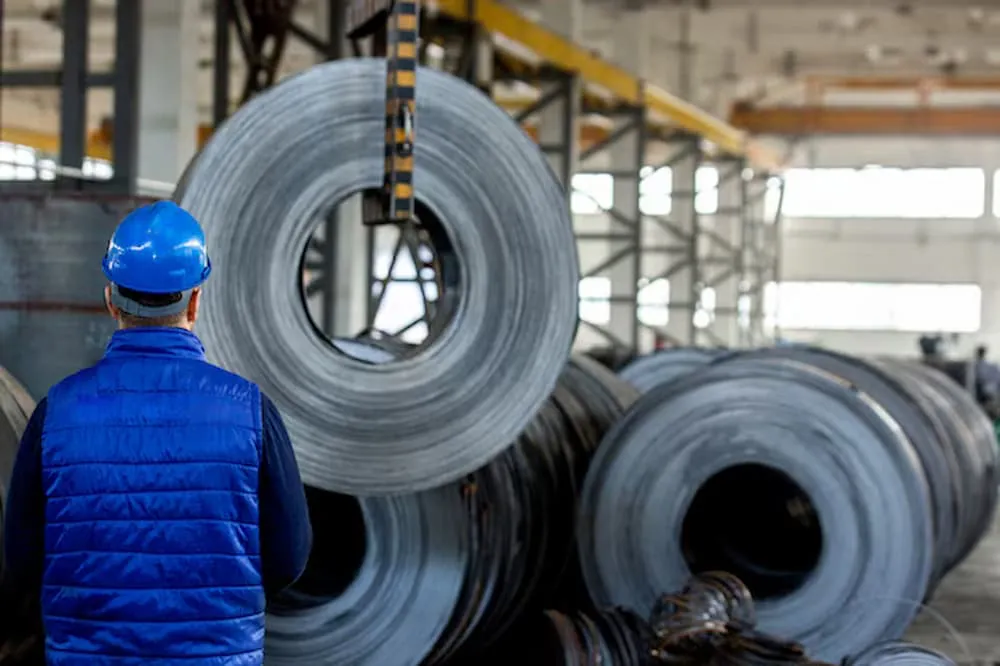

Manufacturing companies depend on precision, efficiency, and consistency to remain competitive in demanding markets. Every production stage influences product quality, operational costs, and customer satisfaction. Selecting the most suitable coil processing solutions becomes an essential decision because it directly impacts productivity, equipment performance, and long term profitability. A carefully planned processing system allows manufacturers to optimize workflows, reduce waste, improve product accuracy, and meet evolving production requirements while maintaining reliable performance across different applications.
Understanding Coil Processing Solutions
What Coil Processing Solutions Include
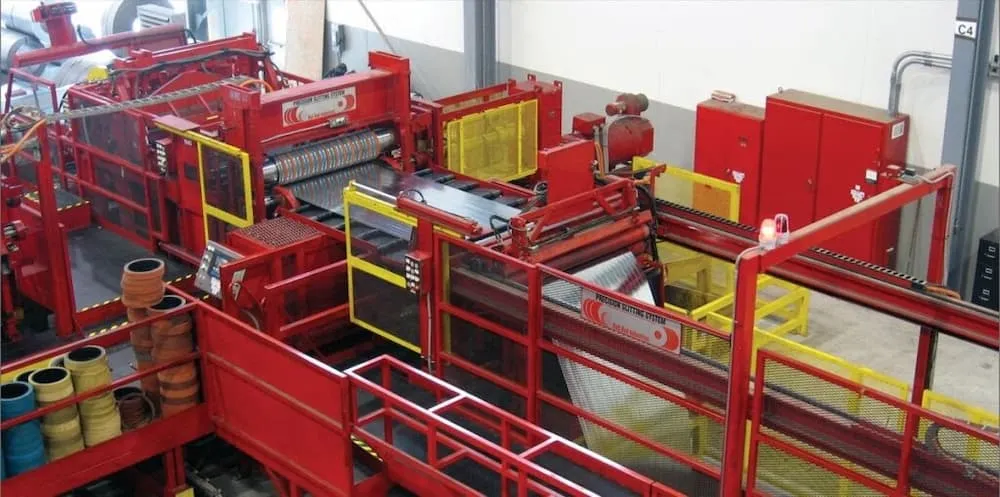
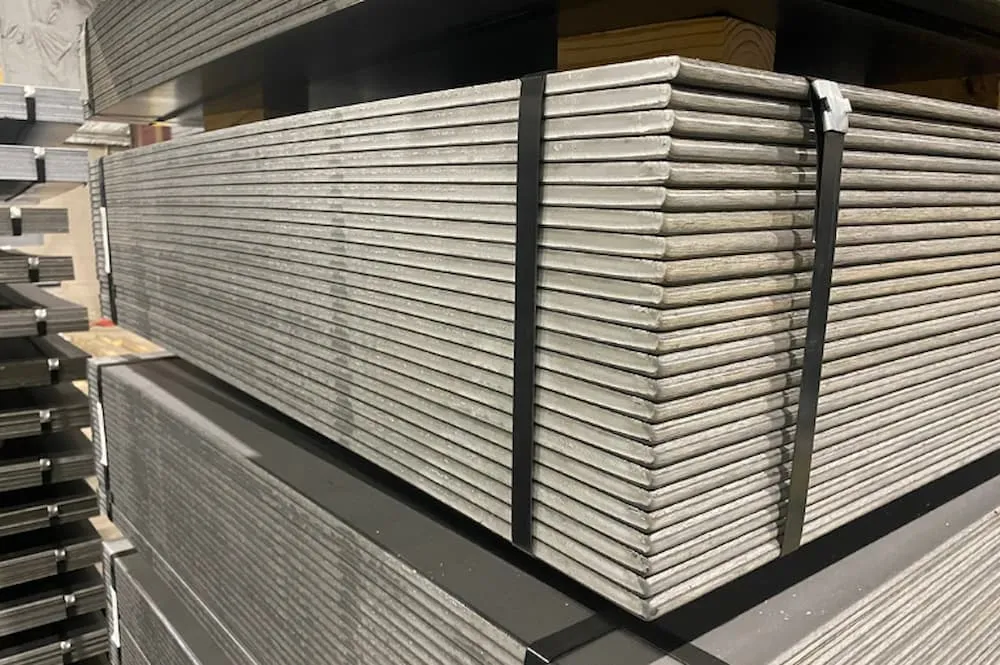
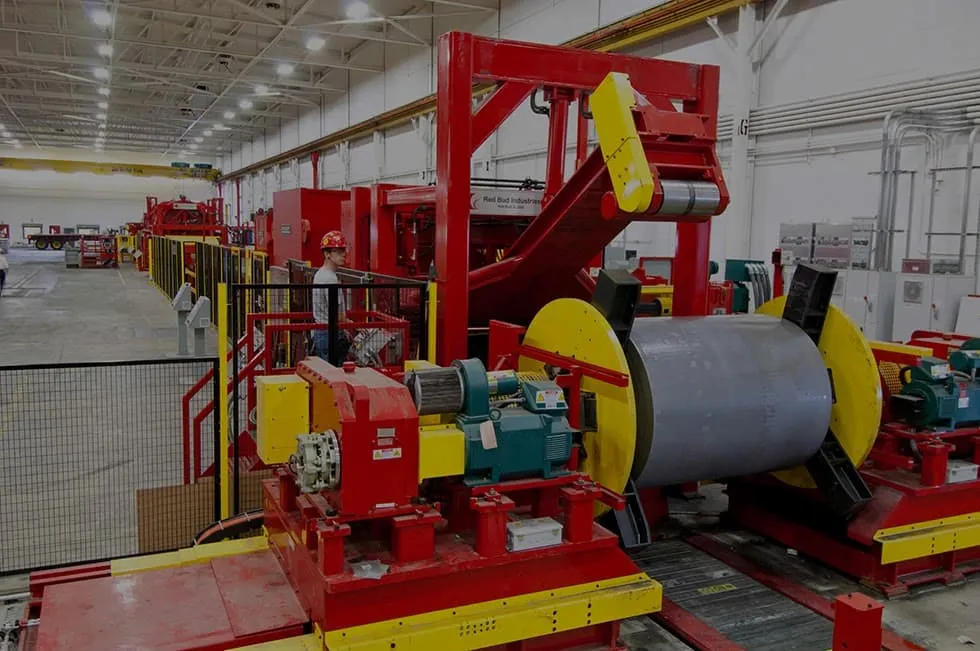
Coil processing involves converting large metal coils into finished materials that match specific production requirements. These solutions consist of various equipment, automation technologies, and handling systems designed to perform tasks such as leveling, cutting, slitting, blanking, recoiling, and packaging. Every component works together to create an efficient production process that delivers consistent quality while minimizing material waste and reducing production delays across different manufacturing operations.
Why Proper Selection Matters
Choosing the appropriate processing system affects every stage of manufacturing. A well matched solution improves production speed, reduces equipment downtime, and increases material utilization. Manufacturers that invest in suitable processing capabilities often experience greater operational efficiency because the equipment aligns with production goals instead of creating unnecessary bottlenecks. Careful selection also supports future expansion by allowing facilities to adapt to changing customer requirements without extensive modifications.
Evaluating Manufacturing Requirements
Identifying Production Volume
Production capacity remains one of the first factors manufacturers should evaluate before selecting processing equipment. Facilities producing large quantities of material require systems capable of operating continuously with minimal interruptions. Smaller production environments may benefit from flexible equipment that can handle frequent product changes. Understanding expected production volumes helps determine the appropriate equipment size, processing speed, and automation level needed to maintain consistent output throughout daily operations.
Understanding Material Characteristics
Different industries process various metals with unique thicknesses, widths, strengths, and surface finishes. Equipment must be compatible with these material characteristics to achieve accurate results without damaging the product. Manufacturers should evaluate the range of materials they intend to process because selecting equipment with appropriate capabilities prevents quality issues, reduces maintenance requirements, and extends machine life through proper operating conditions.
Considering Product Specifications
Finished products often require strict dimensional accuracy and surface quality. Manufacturers should examine customer specifications before selecting processing systems. Precision requirements influence equipment features such as leveling accuracy, cutting tolerance, and slitting consistency. Matching equipment capabilities with product expectations helps maintain quality standards while reducing rejected materials and costly production errors that could affect customer satisfaction.
The Importance of Automation
Improving Operational Efficiency
Automation has become an important feature in modern manufacturing facilities because it reduces manual intervention while increasing production consistency. Automated systems monitor processing parameters, adjust machine settings, and coordinate material movement throughout production. These capabilities minimize human error while improving overall productivity. Automated operations also allow employees to focus on supervision, maintenance, and quality control instead of repetitive manual tasks.
Enhancing Workplace Safety
Safety remains a major consideration in manufacturing environments where heavy coils and moving machinery create potential hazards. Automated handling systems reduce direct operator interaction with materials during loading, positioning, and unloading. This approach lowers accident risks while creating a safer workplace. Improved safety not only protects employees but also supports uninterrupted production by minimizing incidents that could lead to costly downtime.
Equipment Features to Consider
Precision and Accuracy
Modern processing equipment should consistently produce accurate dimensions throughout every production cycle. High precision helps manufacturers meet customer specifications while reducing scrap and rework. Equipment designed with advanced control systems maintains consistent cutting, leveling, and slitting performance regardless of production volume. Reliable precision contributes to better product quality and improved manufacturing efficiency over time.
Flexibility for Multiple Applications
Manufacturers serving diverse industries often process different materials and product sizes. Flexible equipment allows quick adjustments between production runs without lengthy setup times. This versatility enables facilities to respond efficiently to changing customer demands while maximizing equipment utilization. Flexible systems also reduce the need for multiple specialized machines, creating more efficient production environments with lower operating costs.
Maintenance Requirements
Reliable equipment should support easy maintenance to reduce unexpected downtime. Manufacturers should evaluate accessibility, component durability, and service requirements before making purchasing decisions. Machines designed for efficient maintenance simplify inspections, repairs, and routine servicing. Reduced maintenance complexity contributes to greater equipment availability and lower long term ownership costs while supporting continuous production schedules.
Matching Solutions with Industry Applications
Construction Manufacturing
Construction industries require processed metal products with excellent dimensional consistency and strength. Processing systems used in this sector must accommodate varying material thicknesses while maintaining reliable accuracy. Proper equipment selection ensures structural components meet quality expectations and project specifications. Efficient processing also supports high production volumes required for large infrastructure and commercial construction projects.
Automotive Production
Automotive manufacturers demand extremely precise metal components for vehicle assembly. Processing equipment serving this industry must consistently deliver tight tolerances while maintaining excellent surface quality. High production speeds combined with reliable accuracy help manufacturers meet demanding production schedules. Efficient processing contributes to lower material waste and supports consistent quality throughout automotive manufacturing operations.
Appliance Manufacturing
Household appliance production requires accurately processed metal parts with smooth finishes suitable for visible products. Processing systems must maintain dimensional consistency while protecting surface quality during manufacturing. Reliable equipment enables manufacturers to produce components efficiently while meeting appearance and performance expectations. Consistent processing also supports cost effective production across a wide range of appliance designs.
Balancing Performance and Cost
Looking Beyond Initial Investment
Equipment purchasing decisions should consider total ownership costs instead of focusing only on initial price. Operating expenses, maintenance requirements, energy efficiency, and production capacity all influence long term value. A system with greater efficiency may provide significant savings through reduced waste, lower maintenance costs, and higher productivity. Evaluating overall performance helps manufacturers make informed investment decisions that support sustainable business growth.
Considering Future Expansion
Manufacturing demands often change as businesses grow and customer expectations evolve. Selecting equipment with expansion capabilities provides greater operational flexibility in the future. Scalable processing systems allow manufacturers to increase production capacity or integrate additional technologies without replacing existing equipment. Planning for future growth helps protect investments while supporting long term operational success in competitive manufacturing markets.
Quality Control and Process Reliability
Maintaining Consistent Product Quality
Quality control begins with reliable processing equipment capable of producing repeatable results. Consistent machine performance reduces dimensional variation and improves overall product reliability. Manufacturers benefit from stable production processes because fewer defects result in lower material waste and improved customer satisfaction. Reliable quality also strengthens business relationships by consistently meeting production specifications across every manufacturing batch.
Reducing Downtime
Unexpected equipment failures interrupt production schedules and increase operational costs. Choosing dependable processing systems with strong reliability helps minimize unplanned downtime. Preventive maintenance programs, durable machine components, and advanced monitoring capabilities contribute to continuous production. Reliable operations improve manufacturing efficiency while ensuring customer orders are completed according to planned delivery schedules.
Working with Experienced Equipment Providers
Technical Support and Training
Successful equipment implementation extends beyond installation. Manufacturers benefit from comprehensive training that helps operators understand machine functions, maintenance procedures, and production optimization techniques. Ongoing technical support also assists facilities in resolving operational challenges quickly. Access to knowledgeable support improves equipment utilization while helping manufacturers maintain efficient production throughout the equipment lifecycle.
Engineering Expertise
Experienced engineering guidance helps manufacturers select equipment configurations that align with specific production requirements. Careful planning considers material characteristics, production capacity, facility layout, and future expansion goals. Engineering expertise reduces implementation risks while ensuring processing systems operate efficiently from the beginning. Well planned equipment selection creates a stronger foundation for consistent manufacturing performance.
Environmental and Operational Efficiency
Minimizing Material Waste
Efficient processing systems maximize raw material utilization through accurate cutting, leveling, and slitting operations. Reduced waste lowers production costs while supporting responsible resource management. Manufacturers that improve material efficiency often strengthen profitability because more usable product is produced from every coil. Better resource utilization also contributes to environmentally responsible manufacturing practices.
Improving Energy Efficiency
Energy efficient equipment helps manufacturers lower operating expenses while supporting sustainability objectives. Modern processing systems often incorporate advanced controls and optimized drive technologies that reduce energy consumption during production. Lower energy requirements contribute to reduced operating costs while maintaining high productivity. Efficient equipment supports both financial performance and responsible manufacturing initiatives across diverse industrial applications.
Conclusion
Selecting the right coil processing system requires careful evaluation of production volume, material characteristics, automation capabilities, equipment flexibility, maintenance requirements, quality expectations, and future growth plans. Manufacturers that invest time in understanding these factors position themselves for greater efficiency, consistent product quality, and long term operational success. A thoughtful approach to equipment selection creates lasting value while supporting competitive manufacturing performance. For organizations seeking dependable expertise and advanced manufacturing technologies, Red Bud Industries provides innovative solutions designed to support evolving production requirements.


























Sign in to leave a comment.