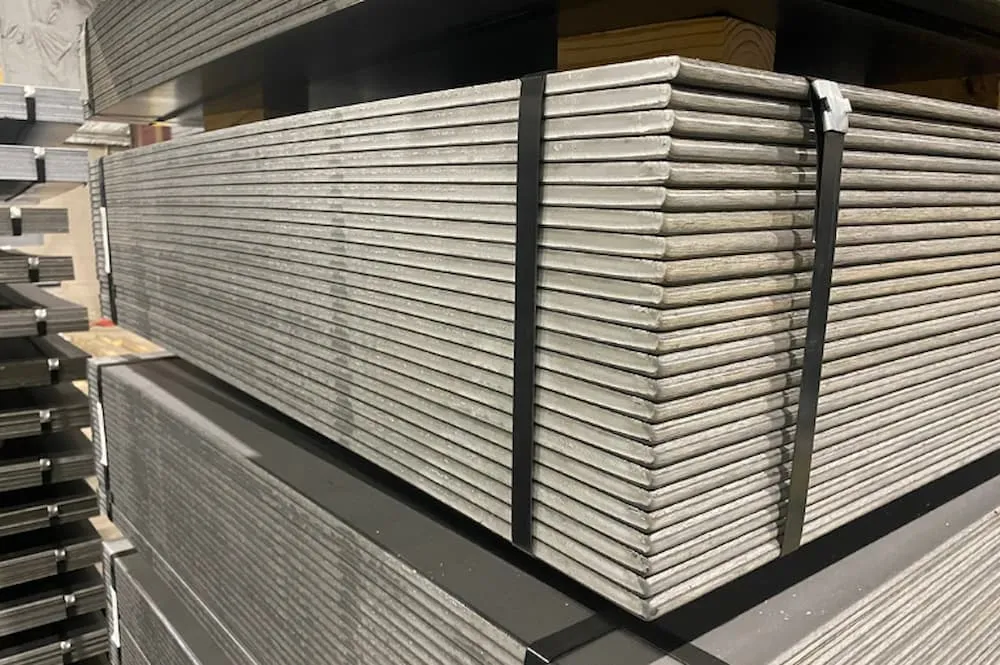

Coil processing plays a vital role in modern manufacturing by transforming large metal coils into usable products for countless industries. From automotive production to construction and appliance manufacturing, selecting the right material significantly impacts efficiency, durability, and product performance. Coil processing material types influence every stage of fabrication, making it essential for manufacturers to understand their unique characteristics before beginning any processing operation. Proper material selection helps improve production quality, reduce waste, and ensure finished components meet strict industry standards while maintaining consistent operational performance.
The Importance of Material Selection in Coil Processing
Choosing the appropriate material for coil processing directly affects manufacturing efficiency, equipment performance, and final product quality. Every metal offers distinct mechanical properties, including strength, flexibility, corrosion resistance, and formability. These characteristics determine how the material responds to cutting, leveling, slitting, blanking, and other processing methods. Manufacturers carefully evaluate application requirements before selecting a material to ensure optimal performance throughout production while minimizing downtime, reducing maintenance needs, and achieving reliable product consistency across high volume manufacturing operations.
How Material Properties Influence Processing
Material thickness, hardness, tensile strength, and surface finish significantly impact processing accuracy. Softer materials generally require less force during cutting and forming, while stronger metals demand specialized equipment capable of handling higher stress levels. Surface coatings and protective finishes also affect handling procedures, requiring careful control during transportation and processing. Understanding these characteristics enables manufacturers to improve equipment efficiency, maintain dimensional accuracy, and reduce production defects that may compromise finished product quality.
Steel as the Most Common Coil Processing Material
Steel remains the most widely processed material due to its versatility, affordability, and broad industrial applications. Various grades of steel provide different combinations of strength, flexibility, and durability, allowing manufacturers to select the most suitable option for specific production requirements. Steel coils support applications ranging from structural components to precision manufactured products. Their adaptability makes them an essential material across multiple industries that demand reliable performance and consistent manufacturing quality.
Carbon Steel Applications
Carbon steel offers excellent strength and cost effectiveness, making it suitable for structural applications, machinery components, and industrial equipment. Different carbon levels provide varying hardness and strength characteristics, allowing manufacturers to choose materials based on intended use. Carbon steel processes efficiently through slitting, leveling, and blanking operations, making it one of the most practical choices for high volume manufacturing while maintaining dependable product performance and production efficiency.
Stainless Steel Applications
Stainless steel contains chromium, providing superior corrosion resistance and long term durability. This material performs exceptionally well in environments exposed to moisture, chemicals, or extreme temperatures. Industries including food processing, medical equipment, architecture, and transportation rely on stainless steel because of its attractive appearance and hygienic properties. Its excellent mechanical performance makes it ideal for precision coil processing where quality standards remain exceptionally high throughout manufacturing operations.
Aluminum Coil Materials in Modern Manufacturing
Aluminum has become increasingly popular because it combines lightweight properties with excellent corrosion resistance and impressive formability. Manufacturers value aluminum for applications requiring reduced product weight without sacrificing structural integrity. The material supports efficient production while lowering transportation costs and improving energy efficiency across numerous industries. Its excellent thermal and electrical conductivity also contributes to widespread industrial use in advanced manufacturing environments.
Benefits of Aluminum Processing
Aluminum coils process smoothly through cutting, slitting, and forming operations because of their relatively low density and excellent flexibility. They require less force than many steel grades, helping reduce equipment wear and operational energy consumption. Aluminum also accepts coatings and surface treatments effectively, providing additional protection and aesthetic enhancement. These advantages make aluminum suitable for industries focused on lightweight, durable, and visually appealing products.
Common Industrial Uses
Manufacturers use aluminum coils extensively in automotive body panels, roofing systems, beverage containers, electrical components, aerospace structures, and consumer appliances. The material provides an outstanding balance between durability and weight reduction, supporting modern engineering goals centered on efficiency and sustainability. Continuous advancements in aluminum alloys further expand its industrial applications while improving manufacturing capabilities across multiple production sectors.
Copper Coil Materials for Specialized Applications
Copper possesses exceptional electrical and thermal conductivity, making it indispensable in industries requiring efficient energy transfer. Although more expensive than steel or aluminum, copper delivers unmatched performance in electrical systems, heating equipment, and specialized industrial applications. Its natural corrosion resistance and antimicrobial properties provide additional value where long term reliability remains essential.
Electrical Industry Advantages
Copper coils support the production of wiring, transformers, electric motors, generators, and communication equipment. Excellent conductivity minimizes energy loss while maintaining dependable electrical performance over extended service life. Precision coil processing ensures copper components meet strict dimensional tolerances, allowing manufacturers to achieve consistent performance in highly demanding electrical applications requiring maximum efficiency.
Manufacturing Considerations
Copper remains relatively soft compared with many steel grades, requiring careful handling during processing to prevent scratches and surface imperfections. Specialized equipment settings help preserve material quality while maintaining accurate cutting dimensions. Proper lubrication and controlled processing speeds further improve production consistency and minimize unnecessary material waste during manufacturing operations.
Galvanized Steel for Enhanced Corrosion Protection
Galvanized steel consists of carbon steel coated with a protective zinc layer that significantly improves corrosion resistance. This additional protection extends product lifespan while reducing maintenance requirements in outdoor or humid environments. Galvanized materials combine the strength of steel with enhanced environmental durability, making them highly attractive for infrastructure and construction projects.
Advantages During Processing
Modern processing equipment handles galvanized coils efficiently while preserving protective coatings throughout cutting and forming operations. Careful control of processing conditions minimizes coating damage and maintains corrosion resistant performance. Manufacturers frequently select galvanized materials because they provide long lasting protection without requiring additional surface treatments after fabrication.
Typical Industrial Applications
Galvanized steel supports manufacturing in construction, agricultural equipment, ventilation systems, automotive components, fencing products, and storage facilities. The material withstands challenging environmental conditions while maintaining structural integrity over many years. These characteristics contribute to its continued popularity across industries seeking reliable long term performance.
Advanced High Strength Steel in Modern Manufacturing
Advanced high strength steel combines lightweight characteristics with exceptional mechanical strength, making it increasingly important in industries focused on performance improvement. Manufacturers value this material because it enables stronger products while reducing overall weight. These benefits contribute to improved fuel efficiency, enhanced structural safety, and increased design flexibility across modern manufacturing sectors.
Processing Challenges
High strength materials require advanced processing equipment capable of handling increased forming forces without sacrificing dimensional accuracy. Specialized tooling, precise tension control, and optimized cutting systems help maintain product quality throughout production. Manufacturers invest in sophisticated processing technologies to ensure consistent results while minimizing equipment wear and material waste.
Factors That Influence Material Selection
Selecting the appropriate coil material involves evaluating several critical considerations before production begins. Manufacturers analyze mechanical requirements, environmental exposure, fabrication complexity, and budget limitations to determine the most suitable option. Careful planning improves operational efficiency while reducing costly production errors and material related challenges throughout manufacturing.
Mechanical Performance Requirements
Products subjected to heavy loads require materials offering high tensile strength and structural stability. Components requiring flexibility or deep drawing may benefit from softer, more formable materials. Understanding these performance expectations helps manufacturers select materials capable of meeting long term operational demands while maintaining product reliability and customer satisfaction.
Environmental Conditions
Products exposed to moisture, chemicals, extreme temperatures, or outdoor environments require corrosion resistant materials capable of maintaining performance over extended periods. Stainless steel, aluminum, and galvanized steel often provide excellent protection against environmental deterioration. Matching material characteristics with operating conditions improves durability while reducing maintenance and replacement costs.
Production Efficiency Considerations
Manufacturers also evaluate processing speed, equipment compatibility, material availability, and production costs when selecting coil materials. Efficient material choices improve throughput while minimizing scrap generation and operational interruptions. Well planned material selection contributes to higher productivity, improved profitability, and better overall manufacturing performance across large scale production facilities.
Future Trends in Coil Processing Materials
Material innovation continues transforming the manufacturing industry through the development of stronger, lighter, and more sustainable metal solutions. Researchers focus on improving alloy performance while reducing environmental impact through recyclable materials and energy efficient production methods. Digital monitoring technologies also enhance processing accuracy by providing real time production insights that optimize equipment settings based on material characteristics.
As industries continue demanding higher quality products with improved performance, manufacturers increasingly adopt advanced materials capable of supporting evolving engineering requirements. Continuous improvements in processing equipment enable efficient handling of increasingly sophisticated metal grades while maintaining exceptional production consistency. These innovations ensure coil processing remains a critical manufacturing capability supporting industrial growth and technological advancement worldwide.
Conclusion
Understanding different coil materials enables manufacturers to make informed decisions that improve product quality, operational efficiency, and long term performance. Every material offers unique advantages suited to specific industrial applications, making proper selection essential for successful manufacturing outcomes. By carefully evaluating mechanical properties, environmental requirements, and processing capabilities, manufacturers can optimize productivity while reducing operational challenges. Organizations seeking advanced coil processing expertise and innovative manufacturing solutions can benefit from the experience and technology offered by Red Bud Industries.























Sign in to leave a comment.