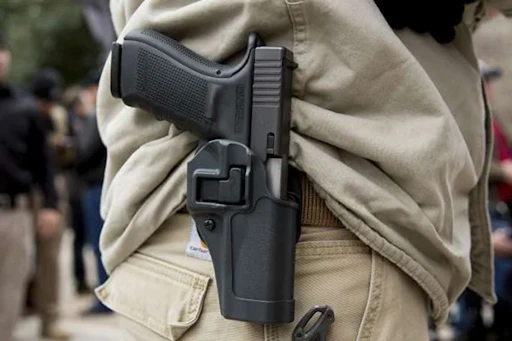

For responsible gun owners, selecting the right firearm holster is as crucial as choosing the firearm itself. A holster is not just an accessory; it’s a key component that ensures the safe, accessible, and comfortable carrying of your firearm. Whether you are a law enforcement officer, a security professional, or a civilian who practices concealed carry, understanding the different types of holsters and what to look for can significantly enhance your safety and shooting experience.
The Importance of a Quality Firearm Holster
A firearm holster serves multiple functions: it secures the firearm in place, protects the firearm from damage, and provides quick access when needed. The right holster should hold the gun firmly, preventing it from shifting or falling out during movement. This is especially important for those who carry their firearms regularly, whether openly or concealed.
Moreover, a good holster protects the trigger from accidental engagement, reducing the risk of an unintentional discharge. The holster's design should also allow for a smooth draw, enabling the user to access the firearm quickly in emergency situations.
Different Types of Firearm Holsters
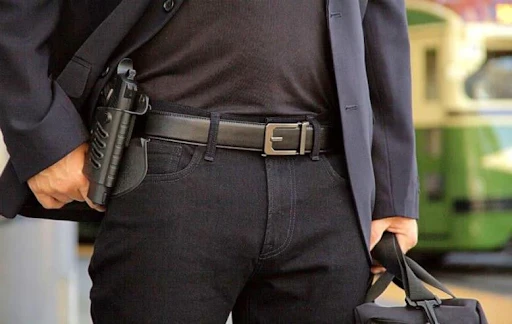
Outside-the-Waistband (OWB) Holsters: These are the most common type of holster pistols carried in. OWB holsters attach to the belt and are typically worn on the outside of the waistband. They are favored for open carry due to their ease of access and comfort. OWB holsters are often used by law enforcement and military personnel but can also be an option for civilian open carry.
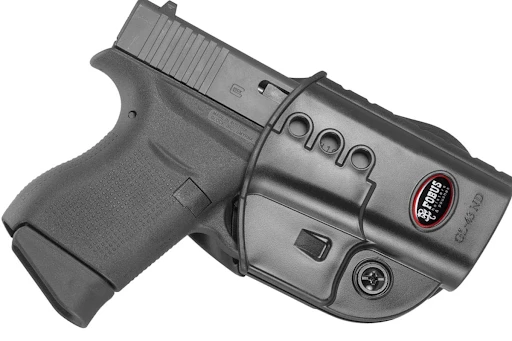
Inside-the-Waistband (IWB) Holsters: IWB holsters are designed for concealed carry. They are worn inside the waistband, with the firearm positioned close to the body. This type of holster is popular among civilians who carry concealed firearms because it offers good concealment while still providing access to the weapon. When choosing an IWB holster, comfort and retention are key factors to consider, as the holster is in direct contact with the body.
Shoulder Holsters: Shoulder holsters are typically worn under a jacket or coat and distribute the weight of the firearm across the shoulders. They are a good option for those who need to carry larger firearms or multiple magazines. Shoulder holsters offer good concealment and accessibility, making them a viable choice for both professional and civilian use.
Ankle Holsters: Ideal for carrying backup guns, ankle holsters are worn around the lower leg and are concealed by the pant leg. They are not recommended for primary carry due to slower access but can be a valuable option for law enforcement or anyone needing a secondary weapon.
Pocket Holsters: Pocket holsters are designed for small firearms and fit inside the pocket of pants or a jacket. They provide an additional layer of concealment and protect the firearm from lint and debris. The key advantage of pocket holsters is their convenience, as they allow the user to carry a firearm without a belt or waistband.
What to Look for in a Firearm Holster
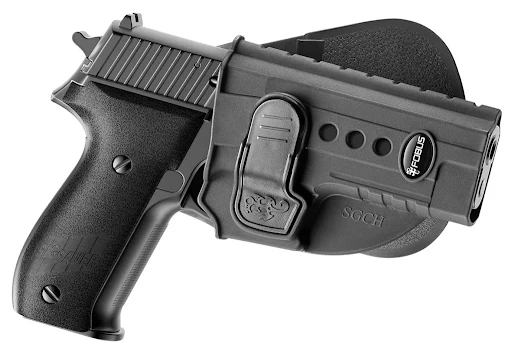
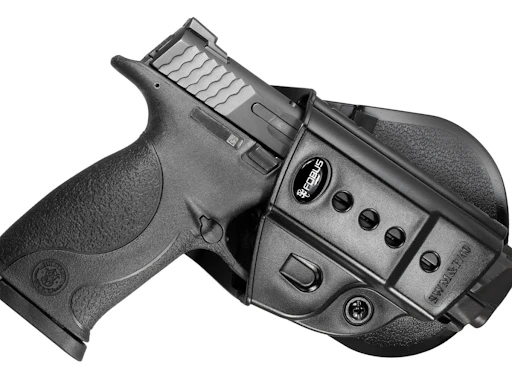
Material: The material of a holster affects its durability, comfort, and functionality. Leather, Kydex, and nylon are the most common materials used by holster manufacturers. Leather holsters are durable and comfortable but may require a break-in period. Kydex, a type of plastic, offers excellent retention and does not require any break-in time. Nylon holsters are lightweight and flexible, often used for pocket or ankle carry.
Retention: Retention refers to how securely the holster holds the firearm. Some holsters have passive retention, which relies on friction, while others have active retention mechanisms, such as thumb breaks or locking systems. The right level of retention depends on your carry style and environment. For example, law enforcement officers may require holsters with active retention to prevent the firearm from being taken during a struggle.
Comfort: A holster must be comfortable enough to wear for extended periods. Consider factors such as the holster's shape, how it distributes the weight of the firearm, and how it feels against the body. For concealed carry, the holster should not dig into the skin or cause discomfort during movement.
Accessibility: Quick access to your firearm is critical, especially in self-defense situations. The holster should allow for a smooth, unhindered draw. It's essential to practice drawing from your holster regularly to ensure that you can do so quickly and effectively when needed.
Concealment: For those who practice concealed carry, the holster must effectively hide the firearm while still providing access. IWB, pocket, and ankle holsters are typically the best choices for concealment, but the specific holster you choose should suit your body type, clothing style, and the size of your firearm.
Conclusion
Choosing the right firearm holster is a decision that should be made with careful consideration of your needs and lifestyle. Whether you prefer OWB, IWB, shoulder, ankle, or pocket holsters, ensure that your choice offers the right balance of security, comfort, and accessibility. With the variety of options available from holster manufacturers, finding a holster that meets your requirements is easier than ever. Investing in a high-quality holster ensures that your firearm is both protected and ready for use whenever needed.


























Sign in to leave a comment.