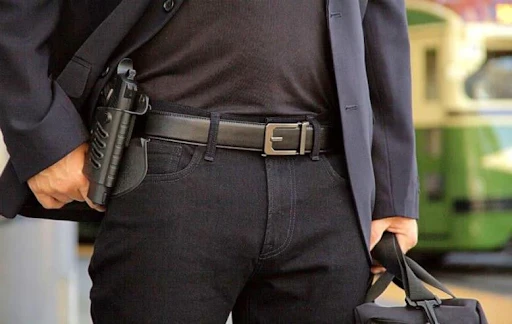

When it comes to carrying a firearm every day, the gun belt you choose is just as important as your holster or handgun. A quality gun belt EDC setup ensures secure carry, proper weight distribution, and quick access when needed. Two of the most common materials used for gun belts are leather and nylon, each with distinct advantages and limitations. Choosing the right one depends on your lifestyle, dress preferences, and usage habits.
In this post, we’ll explore the pros and cons of leather and nylon gun belts for EDC, how they affect comfort and performance, and which one might best suit your carry style.
The Role of a Gun Belt in EDC
Everyday Carry (EDC) for firearms involves more than just picking the right weapon and holster. A strong, rigid, and reliable gun belt EDC setup is essential to support the weight of a firearm and accessories like spare magazines, flashlights, or knives. A typical fashion belt lacks the stiffness and strength to prevent sagging or shifting under the weight of a handgun, potentially compromising concealment, draw speed, and safety.
Purpose-built gun belts—especially those made of leather or nylon—are engineered to withstand these demands while balancing comfort and concealability.
Leather Gun Belts: Classic Strength and Style
Advantages of Leather Gun Belts
- Aesthetic Appeal: Leather gun belts offer a traditional, professional appearance, making them ideal for concealed carry in formal or business environments. They blend seamlessly with everyday clothing, especially when wearing jeans, dress pants, or business casual attire.
- Durability: High-quality full-grain leather belts are known for their long-lasting durability. Over time, leather can mold to your body and holster, providing a custom fit that improves with age.
- Rigidity: Premium leather gun belts are often reinforced with additional layers or synthetic cores for added stiffness. This helps maintain holster stability and prevents the belt from rolling or sagging under load.
Disadvantages of Leather Gun Belts
- Break-In Period: Leather belts often require a break-in period before they become comfortable. During this time, the belt may feel stiff or restrictive.
- Moisture Sensitivity: Leather is not ideal for high-humidity environments or heavy sweating, as moisture can cause stretching, warping, or degradation over time unless properly treated and maintained.
- Price: A top-quality leather gun belt EDC can be more expensive than nylon options. However, it’s often viewed as an investment due to its longevity.
Nylon Gun Belts: Modern Utility and Versatility
Advantages of Nylon Gun Belts
- Lightweight and Flexible: Nylon gun belts are generally lighter and more flexible than leather. This can improve comfort during long wear times, especially for those with active lifestyles.
- Weather Resistant: Nylon is highly resistant to water, sweat, and general wear. It performs well in outdoor or rugged conditions, making it a preferred choice for law enforcement, military, and tactical users.
- Adjustability: Many nylon belts feature hook-and-loop closures, micro-adjustable buckles, or ratcheting systems, allowing for fine-tuned comfort and fit throughout the day.
- Cost-Effective: Nylon belts are often less expensive than leather but still provide excellent performance, especially in high-stress or movement-intensive environments.
Disadvantages of Nylon Gun Belts
- Less Formal Appearance: Nylon belts can appear overly casual or tactical, which may not suit professional settings or formal wear.
- May Lack Rigidity: Lower-end nylon belts may not be rigid enough to support a full-sized handgun and accessories without sagging. However, reinforced nylon belts (with polymer or steel cores) can overcome this issue.
- Wear and Tear: While resistant to moisture and weather, nylon can fray or become misshapen over time, particularly at belt holes or attachment points.
Which Gun Belt is Right for Your EDC?
Your choice between leather and nylon for a gun belt EDC ultimately depends on your daily activities, dress code, and environmental factors.
- Choose leather if you value a polished look, wear business or casual clothing, and prioritize long-term durability and aesthetics. Leather belts are ideal for concealed carry in social or professional settings where discretion is key.
- Choose nylon if you’re frequently outdoors, engage in physical activity, or need maximum adjustability and weather resistance. Nylon is ideal for tactical scenarios, range days, or casual wear, and it supports a variety of modular gear.
If possible, many experienced carriers recommend owning both types for different scenarios. A leather belt can be your go-to for everyday carry at work or social events, while a nylon belt serves as your weekend, outdoor, or training solution.
Conclusion: Balancing Function and Style with the Right Tactical Belt
Both leather and nylon gun belts offer unique strengths that can elevate your gun belt EDC setup. Whether you prioritize concealability, durability, flexibility, or style, there’s a perfect belt for your needs. Remember that the gun belt is not just an accessory—it's foundational to safe and effective carry. In the end, the best choice may come down to owning a versatile tactical belt that complements your wardrobe, gear, and mission.



























Sign in to leave a comment.