
Lighting affects how a space feels and how it works. Homes, offices, and shared buildings all rely on the right light to stay comfortable and usable. Poor lighting leads to eye strain, uneven brightness, and wasted energy. Good lighting supports daily tasks without drawing attention to itself.
Many spaces use a mix of lighting types rather than a single source. This approach helps cover general use, focused tasks, and decorative needs. Understanding the purpose of each lighting type makes planning easier and avoids common mistakes.
Understanding Modern Light Sources
Modern spaces often rely on LED lights for daily use. These lights suit many areas such as kitchens, offices, and lounges. They last longer than older options and use less power. This reduces replacement frequency and lowers running costs over time.
LED lighting suits both bright work areas and softer living spaces. The light output remains steady and does not flicker under normal use. This helps reduce eye discomfort during long periods indoors.
Lighting That Covers the Whole Room
Many rooms rely on ceiling lights for general coverage. These lights spread brightness evenly across the room. They suit bedrooms, passages, and shared areas.
Ceiling-mounted lights keep floor and wall space clear. This makes them practical in smaller rooms. They provide consistent light without shadows when placed correctly.
Some homes choose flush-mounted designs. Others prefer fittings that hang slightly lower. The choice depends on ceiling height and room size.
Focused Light Over Key Areas
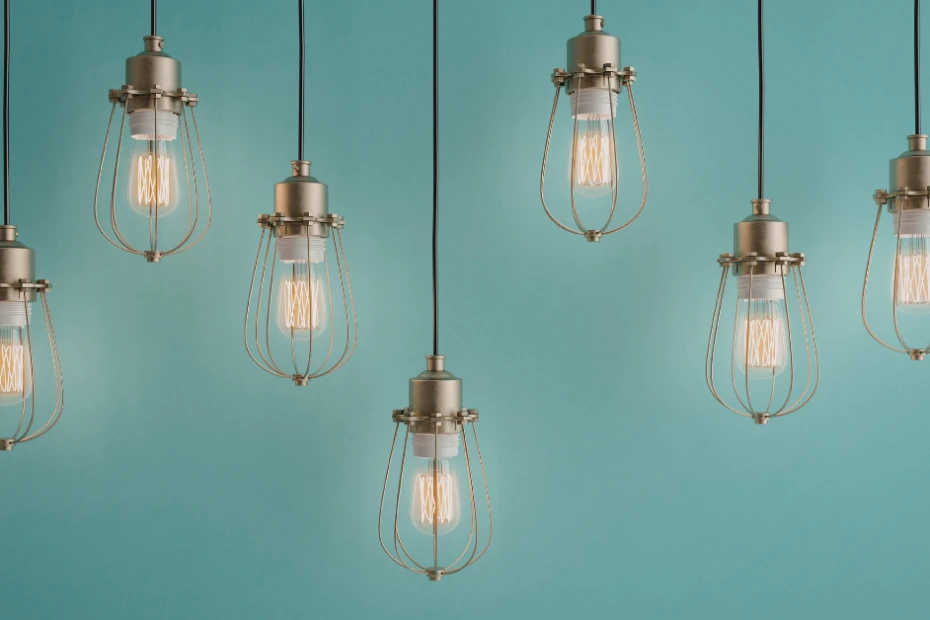
Pendant lights work well above counters, tables, and work surfaces. They direct light downward, making tasks easier. Kitchens and dining areas often use pendants to define specific zones.
Pendant lighting adds structure to open spaces. One light may suit a small table. A row of pendants suits longer counters. Spacing matters to avoid dark gaps.
The height of pendant lights affects comfort. Lights that hang too low block views. Lights that hang too high lose their purpose.
Decorative Lighting for Visual Impact
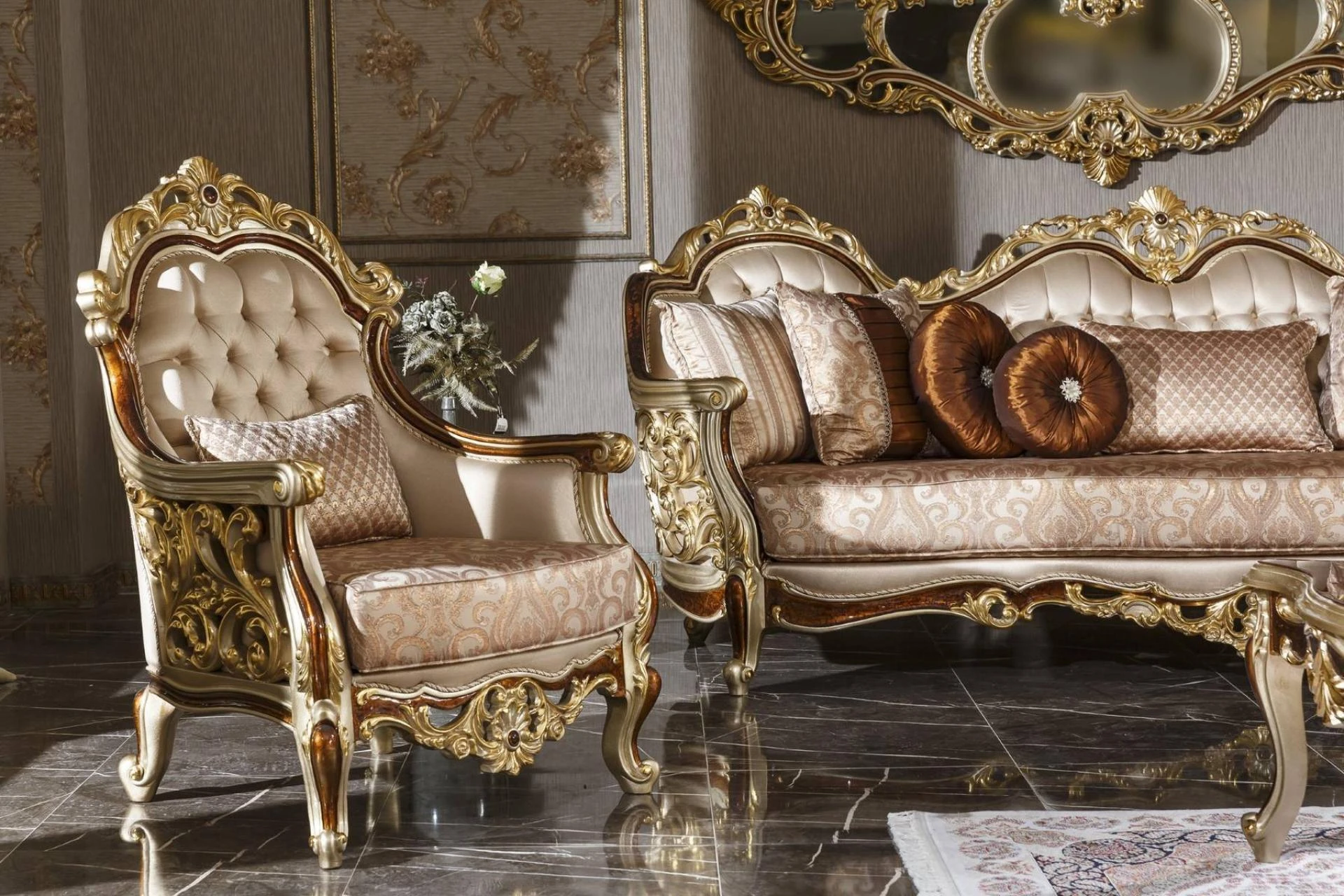
Some spaces use chandeliers as a central feature. These lights suit dining rooms, entrance halls, and formal areas. They provide light and visual interest at the same time.
Chandeliers vary in size and shape. Large rooms suit bold designs. Smaller spaces need simpler forms to avoid clutter.
Proper installation remains important. Weight support and ceiling height need careful planning before fitting this type of light.
Traditional Options in Practical Spaces
Certain buildings still use fluorescent lights in garages, workshops, and storage areas. These lights provide wide coverage and steady output.
Fluorescent lighting suits spaces where function matters more than appearance. The light spreads evenly across large areas. Maintenance teams often choose these lights for reliability.
Some spaces use fluorescent fittings during daylight hours when bright, even light is needed.
Low-Profile Lighting for Clean Finishes
Down lights offer a clean and subtle look. They sit flush with ceilings and provide focused light below. These lights suit bathrooms, hallways, and modern living areas.
Down lights work best when placed with a clear layout plan. Poor spacing leads to uneven brightness. Correct spacing creates balanced light across the room.
This type of lighting pairs well with other sources to avoid flat or harsh lighting.
Choosing the Right Fittings
The choice of light fittings affects both safety and performance. A fitting holds the light source in place and protects wiring. It influences how light spreads and how heat escapes.
Good fittings last longer and reduce maintenance needs. Poor-quality fittings cause flickering or loose connections over time.
Matching fittings to the space prevents glare and shadow problems. Bathrooms need moisture-safe designs. Kitchens need fittings that clean easily.
Planning Lighting for Daily Use
Every space needs a lighting plan. Kitchens need task lighting for food preparation. Living rooms need softer light for rest. Offices need steady brightness for focus.
Mixing lighting types improves comfort. General lighting covers the room. Task lighting supports specific actions. Decorative lighting adds interest without overpowering the space.
Switch placement matters. Easy access improves daily use and reduces frustration.
Common Mistakes to Avoid
Many spaces suffer from poor lighting placement. Lights placed too far apart leave dark areas. Lights placed too close cause glare.
Ignoring ceiling height leads to problems. Low ceilings need compact fittings. High ceilings need stronger output.
Using one lighting type for every room limits comfort. Each space has its own needs.
Lighting and Maintenance
Lighting should remain easy to maintain. Hard-to-reach fittings increase replacement time and cost. Long-lasting light sources reduce maintenance work.
Clean fittings provide better light output. Dust buildup reduces brightness and changes colour tone.
Regular checks prevent loose fittings and wiring issues.
Making Practical Choices
Lighting choices work best when guided by daily use rather than trends. Simple designs last longer and suit more spaces.
Balanced lighting supports comfort and function without drawing attention to itself. Thoughtful planning avoids future changes and extra cost.
Good lighting does its job quietly. It supports work, rest, and movement without causing strain.
































Sign in to leave a comment.