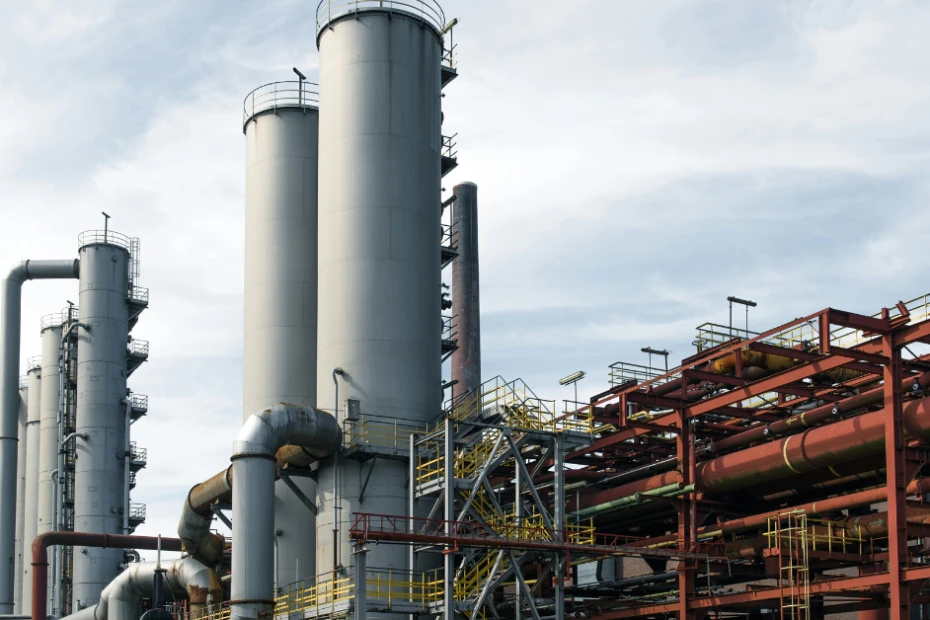

Many industrial processes rely on magnets to lift, move, or separate metal. Over time, this use can leave metal parts with leftover magnetic force. When this happens, problems start to appear. Parts stick together. Dust clings to surfaces. Sensors give false readings. Demagnetizing is the step that removes this leftover magnetism and restores normal operation.
In factories, workshops, and processing plants, demagnetizing is a routine task that supports accuracy and safety. It is not a repair method. It is a control step that keeps systems working as intended.
Why Residual Magnetism Causes Problems
Residual magnetism occurs when metal holds onto magnetic force after contact with a magnet. This is common in parts that move through lifting systems, separators, or inspection lines. Even a small magnetic field can cause trouble.
Metal shavings may cling to finished parts. Bearings may attract fine dust. Measuring tools may give readings that are slightly off. Over time, these small issues create bigger ones such as wear, rejected products, or downtime.
Removing residual magnetism keeps parts neutral and predictable.
What Demagnetizing Equipment Does
Demagnetizing equipment creates a controlled magnetic field that fades over time. As the field weakens, the magnetism in the metal part drops to zero. The part leaves the process without any remaining magnetic pull.
This process does not damage the metal. It does not change shape or strength. It simply removes the unwanted magnetic charge.
Industrial plants use demagnetizing coils for this task. These coils allow parts to pass through a magnetic field that reduces smoothly and evenly.
Common Areas Where Demagnetizing Is Used
Demagnetizing is common in machining and grinding operations. Cutting tools and metal parts often become magnetised during contact with magnetic tables or holders. When magnetism stays in the part, chips stick to the surface and cleaning becomes harder.
Inspection lines rely on clean parts. Magnetised components attract dust and fine metal, which affects visual checks and sensor readings.
Assembly lines face similar issues. Parts may stick together or resist proper alignment. Removing magnetism helps parts move freely and fit correctly.
Understanding Coil-Based Systems
Coil-based systems are popular because they are easy to use and reliable. Parts pass through the coil either by hand or on a conveyor. The coil applies a magnetic field that fades as the part moves through.
Some systems allow speed adjustment. Slower movement suits thicker parts. Faster movement suits thin components. This flexibility helps plants handle different product sizes without changing equipment.
Many operators refer to these units as demag coils. The shorter term is common on factory floors and in maintenance plans.
Supporting Quality Control
Quality control depends on repeatable results. Magnetised parts create variation. One part may pass inspection while another fails due to dust build-up or sensor interference.
Demagnetizing removes this variable. Parts behave the same way every time. This supports consistent checks and reduces waste.
In one machining shop, rejected parts dropped after demagnetizing was added before final inspection. Clean surfaces made defects easier to spot and reduced false failures.
Improving Tool and Machine Life
Magnetised swarf sticks to tools and machine surfaces. This increases wear and causes heat build-up. Over time, tools lose edge quality and machines need more cleaning.
Demagnetizing parts before they return to storage or assembly keeps work areas cleaner. Machines stay in better condition. Cleaning time drops.
Maintenance teams often notice fewer issues once demagnetizing becomes part of the routine.
Safety Benefits on the Shop Floor
Loose metal attracted to magnetised parts creates safety risks. Sharp chips can cling to surfaces and cut hands during handling. Small tools may stick unexpectedly.
Removing magnetism reduces these risks. Parts behave as expected. Workers handle them with more confidence.
Clear procedures that include demagnetizing support safer daily operations.
Where Demagnetizing Fits Into a Process
Demagnetizing usually happens near the end of a process. After machining, grinding, or magnetic lifting, parts pass through the coil before inspection or packing.
Some lines place demagnetizing before washing. This allows cleaning systems to work more effectively since debris no longer sticks to parts.
Placing demagnetizing at the correct stage improves results without slowing production.
Choosing the Right Setup
Different parts need different approaches. Thick steel holds magnetism longer than thin sheet metal. Coil size and power must match the part type.
Simple setups suit small workshops. Larger plants often use conveyor-based systems that handle high volumes without manual input.
Planning teams review part size, material type, and throughput before choosing a system. This avoids underperforming setups.
Routine Checks and Use
Demagnetizing equipment needs basic checks. Coils should remain clean and free from damage. Operators should follow speed guidelines for consistent results.
Testing parts with a small metal indicator helps confirm that magnetism has been removed. This simple check supports confidence in the process.
Clear work instructions help new staff understand when and how to use the equipment.
Everyday Value of Demagnetizing
Demagnetizing may seem like a small step, though it supports many parts of industrial work. Clean parts, accurate checks, and smooth assembly depend on neutral metal surfaces.
Plants that include demagnetizing as a standard step often see fewer defects and smoother operations. The process runs quietly in the background, though its impact is easy to measure over time.





























Sign in to leave a comment.