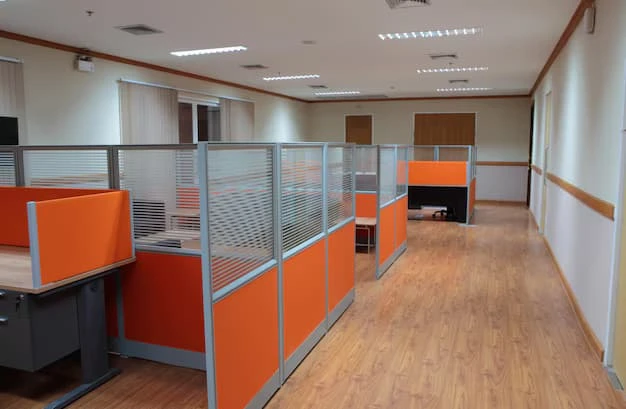

The modern workplace continues to evolve, and businesses are increasingly focused on creating environments that support productivity, comfort, and collaboration. One of the most effective ways to shape a functional and visually appealing office is through the thoughtful use of office partition systems. These systems allow organizations to define spaces, manage noise, and maintain flexibility without the permanence of traditional construction. Understanding how to choose the right solution can make a significant difference in how a workspace performs on a daily basis.
Office partitions are not just physical dividers. They influence how people interact, how efficiently teams work, and how adaptable the office can be as business needs change. Selecting the right system requires careful consideration of design goals, space limitations, employee needs, and long term plans.
Understanding Office Partition Systems
Office partition systems are interior structures used to divide a workspace into functional areas. Unlike fixed walls, these systems are often modular and adaptable, allowing offices to be reconfigured with minimal disruption. They are commonly used to create private offices, meeting rooms, collaborative zones, and focused workstations within open layouts.
Purpose and Functionality
The primary purpose of office partitions is to organize space effectively. They help separate departments, reduce visual distractions, and manage sound levels. At the same time, they maintain an open feel that supports communication and teamwork. A well planned partition layout balances privacy with accessibility, ensuring that employees feel both focused and connected.
Evolution of Workplace Design
Workplace design has shifted from closed offices to open plans and now toward hybrid environments. Office partitions play a key role in this transition by offering flexibility. They allow businesses to move away from rigid layouts and embrace adaptable spaces that can support different work styles, from quiet concentration to collaborative discussions.
Key Factors to Consider Before Choosing a System
Selecting the right office partition system requires more than choosing a material or style. Several practical and strategic factors should guide the decision making process.
Space Planning and Layout
Understanding the available space is essential. The size, shape, and natural light within the office will influence the type of partitions that work best. Smaller offices may benefit from transparent or semi transparent partitions that preserve openness, while larger spaces can accommodate more defined divisions without feeling enclosed.
Level of Privacy Required
Different areas of an office require different levels of privacy. Executive offices and meeting rooms often need higher acoustic and visual separation, while collaborative zones may only need subtle boundaries. Choosing a system that can vary in height or material helps meet these diverse needs within one cohesive design.
Acoustic Performance
Noise management is a common challenge in modern offices. Effective partitions can significantly reduce sound transfer, helping employees concentrate and communicate more effectively. Considering acoustic performance early in the planning stage ensures that the chosen system supports productivity rather than becoming a source of distraction.
Types of Office Partition Systems
There are several types of office partition systems available, each offering unique advantages depending on the workspace requirements.
Glass Partition Systems
Glass partitions are popular for their ability to maintain visual openness while creating defined spaces. They allow natural light to flow throughout the office, which can improve mood and reduce the need for artificial lighting. Frosted or tinted options provide additional privacy without sacrificing brightness.
Solid Panel Partitions
Solid panel partitions offer a higher level of privacy and sound insulation. They are often used in areas where confidentiality is important, such as private offices or meeting rooms. These partitions can be finished in various textures and colors to match the overall interior design.
Modular Partition Systems
Modular systems are designed for flexibility. They can be easily assembled, disassembled, and reconfigured as needs change. This makes them ideal for growing businesses or organizations that frequently adjust team structures. Modular partitions support long term adaptability and can be a cost effective solution over time.
Design and Aesthetic Considerations
Office partitions contribute significantly to the overall look and feel of a workspace. A well designed system enhances the professional image of the organization and creates a pleasant environment for employees and visitors.
Visual Consistency
Partitions should align with the existing interior design elements, including color schemes, furniture, and flooring. Consistency in design creates a cohesive appearance and reinforces brand identity without overwhelming the space.
Balancing Openness and Structure
A successful office design strikes a balance between openness and structure. Overuse of solid partitions can make an office feel cramped, while too few divisions can lead to noise and distractions. Thoughtful placement and material selection help achieve this balance, supporting both collaboration and focus.
Installation and Maintenance Considerations
Beyond design and functionality, practical aspects such as installation and maintenance play a crucial role in choosing the right system.
Ease of Installation
Office partition systems are generally quicker to install than permanent walls, but the level of disruption can still vary. Systems that require minimal construction work reduce downtime and allow businesses to continue operating during installation.
Long Term Maintenance
Durability and ease of maintenance should not be overlooked. Materials that are easy to clean and resistant to wear help maintain a professional appearance over time. Considering long term upkeep ensures that the investment remains valuable well into the future.
Cost and Value Assessment
Budget is always a key consideration, but it should be evaluated alongside long term value rather than initial cost alone.
Initial Investment Versus Long Term Benefits
While some partition systems may have a higher upfront cost, they often offer greater flexibility and durability. This can reduce the need for future renovations and associated expenses. Evaluating the total cost of ownership provides a clearer picture of value.
Supporting Business Growth
An adaptable partition system supports business growth by allowing the workspace to evolve. As teams expand or change, partitions can be reconfigured to meet new requirements. This adaptability adds significant value by extending the lifespan of the office design.
Enhancing Employee Experience and Productivity
The impact of office partitions extends beyond physical space. They influence how employees feel and perform at work.
Supporting Focus and Wellbeing
Providing areas for focused work helps reduce stress and improve concentration. Partitions that manage noise and visual distractions contribute to a healthier work environment, supporting overall wellbeing.
Encouraging Collaboration
At the same time, partitions can be designed to encourage interaction. Semi open layouts and shared spaces promote communication and teamwork. The right system supports a balanced workplace where different work styles can coexist.
Making an Informed Decision
Choosing the right office partition system is a strategic decision that affects daily operations and long term success. By considering space planning, privacy needs, acoustic performance, design, and adaptability, organizations can create workspaces that are both functional and inspiring.
A thoughtful approach ensures that the office environment supports productivity, reflects organizational values, and remains flexible as needs evolve.
Conclusion
Selecting the right office partition system is an investment in the efficiency and comfort of the workplace. When chosen carefully, it enhances productivity, supports employee wellbeing, and allows the office to adapt over time. For businesses seeking reliable and well planned workspace solutions, Dalvie Systems brings expertise and understanding to help create environments that truly work for modern organizations.





























Sign in to leave a comment.