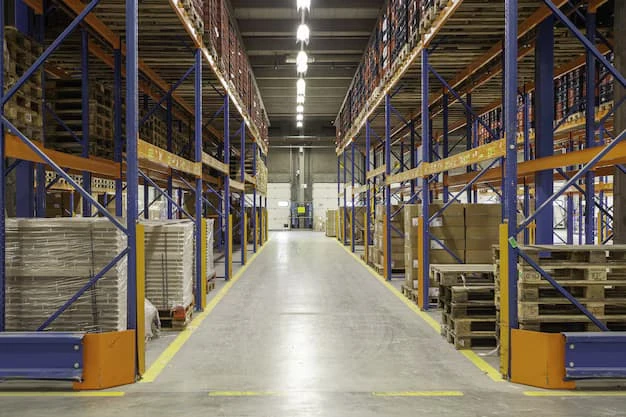

Warehousing operations are under constant pressure to store more goods within limited floor space while maintaining efficiency and safety. As inventory volumes grow and land costs rise, businesses increasingly look for storage solutions that maximise cubic space rather than expanding facilities. One system that has gained strong attention in high density storage environments is the drive in pallet racking system, which is designed to significantly increase storage capacity by reducing aisle requirements and optimising vertical space.
This type of racking solution is particularly well suited for operations that handle large quantities of similar products. By allowing forklifts to drive directly into the racking structure, storage density improves dramatically compared to traditional selective racking. Understanding how this system works, its advantages, and where it performs best can help warehouse managers make informed decisions about their storage strategy.
Understanding the Drive In Pallet Racking Concept
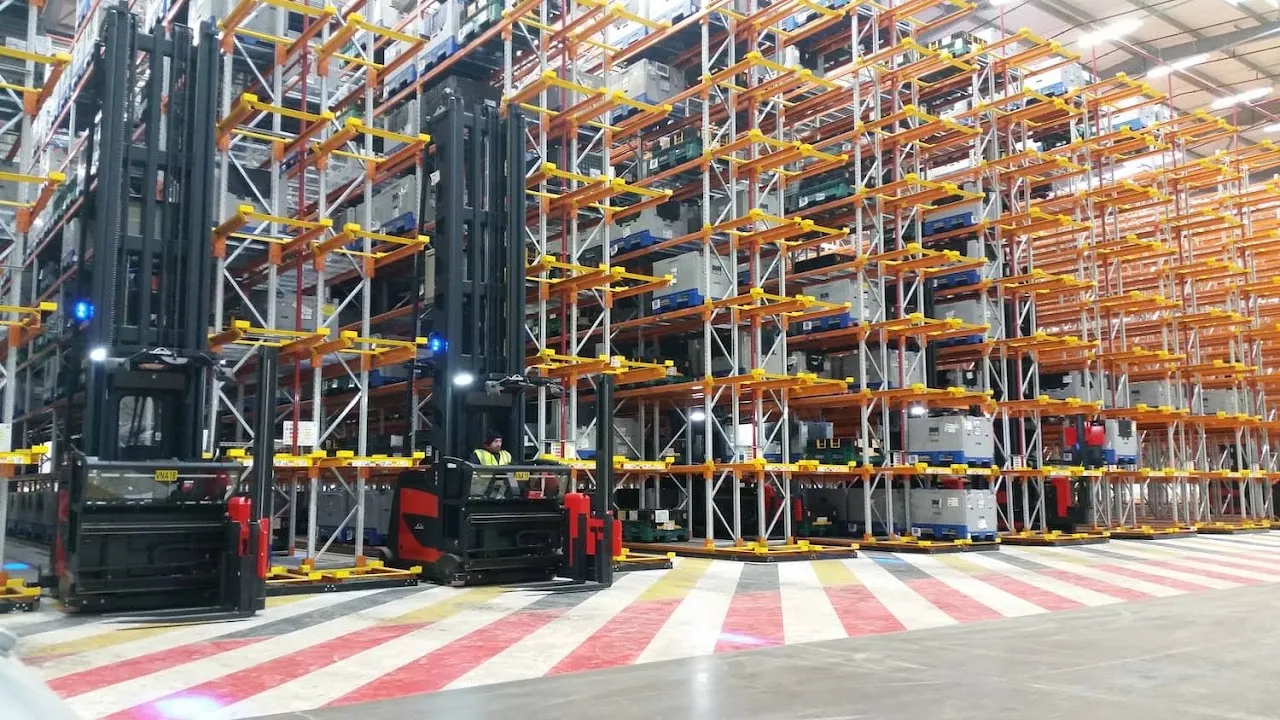
Drive in pallet racking is a high density storage solution that uses a series of continuous lanes rather than individual aisles between racks. Pallets are stored on support rails instead of beams, allowing forklifts to enter the racking structure and place loads directly inside the lanes. This design removes the need for multiple access aisles and creates a compact storage layout.
The system typically operates on a last in first out inventory principle, making it ideal for storing large volumes of the same product with similar turnover rates. Because pallets are stored deep within the racking lanes, floor space that would otherwise be used for aisles can instead be allocated to additional pallet positions, resulting in a significant increase in overall storage capacity.
How Storage Density Is Maximised
One of the primary reasons this racking system increases storage capacity is its efficient use of horizontal space. Traditional pallet racking requires an access aisle for every row, which limits the number of pallets that can be stored within a given footprint. Drive in racking eliminates most of these aisles by grouping pallets into deep storage lanes.
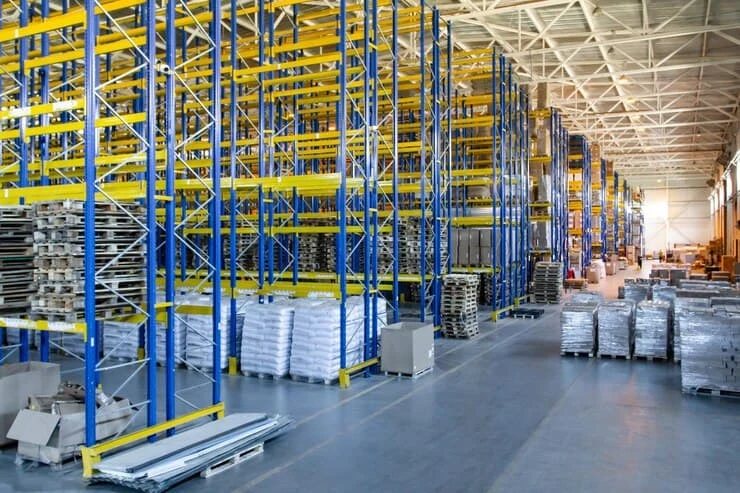
In addition to reducing aisle space, the system also maximises vertical storage. Pallets can be stacked several levels high within each lane, allowing warehouses to fully utilise ceiling height. This combination of reduced aisle requirements and increased vertical storage enables facilities to store far more pallets in the same area compared to conventional racking solutions.
Operational Efficiency in High Volume Environments
Drive in pallet racking systems are particularly effective in environments where large quantities of uniform products are handled. Since forklifts follow a simple entry and exit process, operators can quickly load and retrieve pallets without navigating multiple aisles. This streamlined movement reduces travel time within the warehouse and improves overall operational efficiency.
The structured layout also helps maintain consistent pallet placement, which supports better inventory organisation. When properly managed, the system can reduce handling errors and improve space utilisation, making it a reliable option for warehouses focused on high volume storage rather than frequent product rotation.
Suitability for Different Warehouse Applications
This racking system is commonly used in cold storage facilities, food and beverage warehouses, and manufacturing environments where bulk storage is essential. In temperature controlled warehouses, reducing aisle space also helps lower energy consumption by minimising the volume of air that needs to be cooled. This makes drive in racking particularly valuable in industries where temperature control is a major operational cost.
Warehouses that store seasonal goods or products with predictable turnover also benefit greatly from this system. By dedicating lanes to specific products, businesses can manage stock more efficiently while maintaining a high storage density. The system’s adaptability allows it to be customised to suit different pallet sizes, load weights, and operational requirements.
Safety and Structural Design Considerations
While drive in pallet racking offers excellent space utilisation, proper design and installation are essential to ensure safe operation. The system must be engineered to withstand regular forklift entry and exit, as well as the weight of fully loaded pallets at height. Guide rails, upright protectors, and reinforced frames are often incorporated to reduce the risk of impact damage.
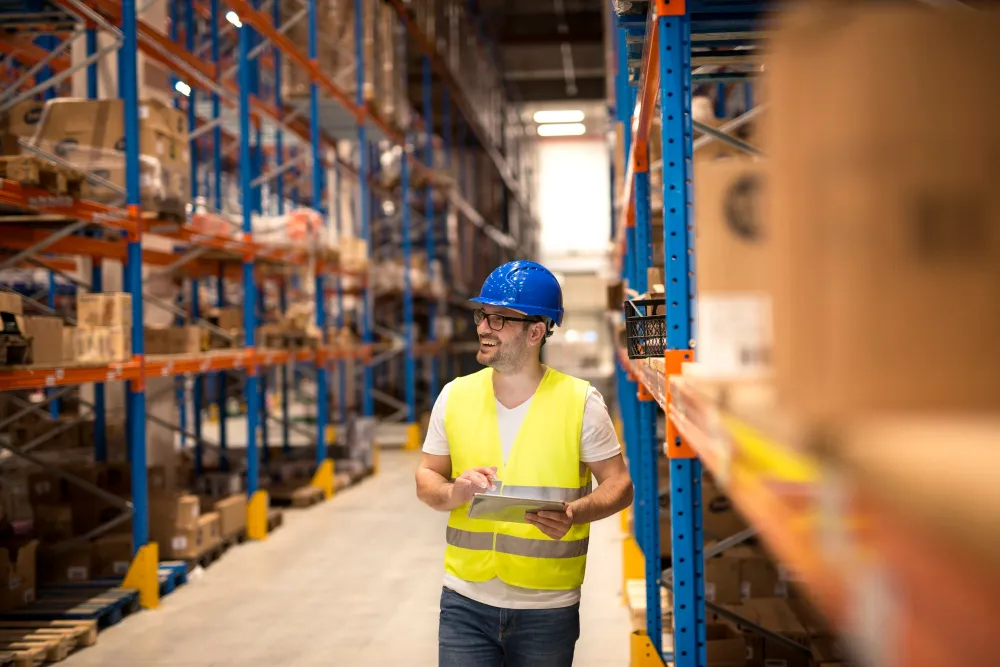
Regular inspections and staff training play a crucial role in maintaining safety within drive in racking environments. Operators must be trained to enter lanes carefully and position pallets correctly on the support rails. When these measures are followed, the system provides a durable and safe storage solution that continues to deliver long term capacity benefits.
Conclusion
Drive in pallet racking systems offer a highly effective way to increase warehouse storage capacity without expanding physical space. By eliminating unnecessary aisles, maximising vertical storage, and supporting high volume operations, this solution helps businesses achieve better space efficiency and improved operational performance. When properly designed, installed, and maintained, it becomes a valuable long term investment for warehouses focused on density and scalability.
For organisations considering advanced storage solutions tailored to their operational needs, working with experienced specialists is essential. Dalvie Systems provides expertise in designing and implementing storage systems that help warehouses unlock their full potential while maintaining safety, efficiency, and compliance.
























Sign in to leave a comment.