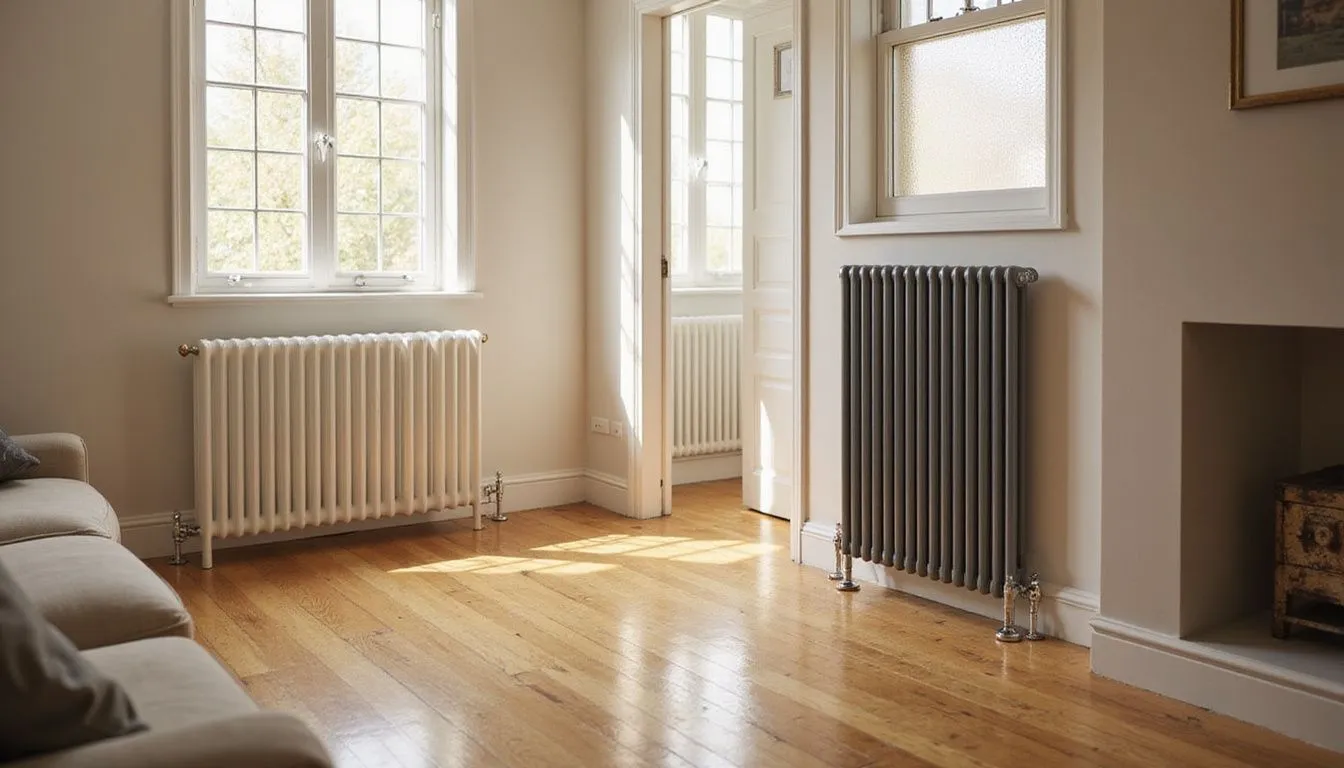

Have you ever stood in a heating showroom, surrounded by rows of radiators, and not quite known where to start?
We've been in that situation plenty of times. Choosing the right radiator genuinely affects your energy bills and how comfortable your home feels day to day. The UK market offers everything from flat panel radiators to sleek designer radiators and traditional cast iron radiators, which can make the decision feel like hard work.
Here's the good news: it really doesn't have to be.
This guide walks you through every major radiator type for your central heating system, covering heat output, materials, and placement tips. We'll go through it together, step by step, so you can make a confident choice for every room in your home.
Types of Radiators for Your Home
There are loads of radiator styles to choose from, and each one brings something different to the table. From compact flat panel radiators to tall vertical radiators, there's a style and size to match every room and budget.
Single Panel and Double Panel Radiators
Single panel and double panel radiators form the backbone of most central heating systems. Understanding the difference helps you pick the right one for each room in your home.
| Radiator Type | Panel Configuration | Heat Output Capacity | Wall Projection | Ideal Applications |
|---|---|---|---|---|
| Type 11 Radiators (Single Panel) | One panel with one fin set | Lower heat generation; suitable for smaller rooms or supplementary heating | Slim profile; minimal intrusion into living space | Bedrooms, hallways, compact spaces where wall space matters |
| Type 21 Radiators (Double Panel) | Two panels joined with one fin set | Moderate heat output; more efficient than single panel options | Medium projection; balanced depth for most installations | Living rooms, kitchens, spaces requiring moderate warmth |
| Type 22 Radiators (Double Panel) | Two panels with two fin sets | Significantly higher heat output; substantially more surface area than Type 21 | Greater protrusion; requires adequate clearance from walls | Larger rooms, properties with heat pump systems, demanding heating scenarios |
Surface area drives heat output. Single panel radiators (Type 11) deliver modest warmth while taking up minimal wall space. Double panel options provide considerably more heat, a bit like comparing a small campfire to a proper bonfire.
Type 21 radiators work well in most homes with standard gas boilers. Type 22 models step things up significantly. If you're upgrading to a modern heat pump, larger radiators become a real necessity. Heat pumps run at lower water temperatures than traditional boilers, so you need that extra surface area to deliver equivalent warmth throughout your home.
According to 2026 data from Greentech Renewables, because air source heat pumps operate at flow temperatures of around 35-55°C compared to 60-75°C for a standard gas boiler, radiators often need to be 1.5 to 2 times larger in surface area to produce the same level of heat. That's a practical figure to keep in mind if a heat pump installation is on your radar.
- Type 11 (single panel): slim profile, suits bedrooms and hallways
- Type 21 (double panel): solid all-rounder for living rooms and kitchens
- Type 22 (double panel, double fins): higher output, ideal for large rooms and heat pump systems
To put heat output into perspective, consider a living room measuring roughly 3.5 metres by 4 metres. A Type 11 single panel radiator placed under a double-glazed window, supplied with water at 60°C, produced 2,800 BTU per hour. The Type 22 double panel version in the same position delivered 5,200 BTU per hour. After one hour, the Type 22 raised room temperature by 6 degrees, while the Type 11 managed 3.5 degrees. That near-doubled output explains why Type 22 radiators suit larger spaces and pair well with heat pump installations.
Slim single panel radiators fit neatly beside windows or in tight corners without dominating the room. Double panel radiators protrude further from the wall, so factor this into your furniture layout before buying. The trade-off is often worthwhile for the boost in performance.
Material composition affects performance too. Aluminium radiators are lightweight and efficient. Steel variants offer durability and solid heat retention. Your choice often comes down to existing pipework compatibility and the specific demands of each room. Measuring your space accurately before purchasing prevents costly mistakes later.
Designer and Vertical Radiators
When upgrading a heating system, designer and vertical radiators offer stylish solutions that don't compromise on performance. They work particularly well in rooms where a traditional horizontal model would feel out of place.
| Radiator Type | Key Characteristics | Space Benefits | Design Appeal |
|---|---|---|---|
| Designer Radiators | Modern aesthetic with multiple style options. Available in various finishes to complement our room décor. Contemporary designs serve as statement pieces in our homes. Materials include aluminium for enhanced efficiency. We can choose from horizontal, vertical, column, and panel designs. These radiators heat and cool rapidly. | Fit our existing spaces without requiring major renovations. Work well in rooms where traditional radiators feel out of place. Accommodate our furniture layouts seamlessly. Flexible sizing means we adapt them to our wall dimensions. | Transform our radiators into focal points rather than eyesores. Reflect the colours of our room décor naturally. Unconventional shapes provide both functionality and visual interest. Modern finishes coordinate with contemporary interiors beautifully. |
| Vertical Radiators | Tall, slender design maximises heating capacity in minimal footprint. Made from vertical metal tubes in traditional column styles. Aluminium construction enables rapid temperature changes. Require minimal water to function effectively. Energy-efficient performance reduces our consumption rates. | Save valuable wall space in our homes. Fit into narrow areas between furniture pieces. Work brilliantly in compact rooms and hallways. Position near walls without blocking movement patterns. Ideal for rooms where horizontal radiators won't fit. | Add decorative elements to our walls through thoughtful design. Tall proportions draw our eyes upward, creating visual height. Various finishes match our décor preferences. Contemporary styles suit modern homes, whilst traditional options work in period properties. |
| Combined Advantages | Both types offer space-saving capabilities without sacrificing heat output. Aluminium materials reflect our investment in efficiency. Rapid heating means faster comfort for our families. Low water requirements reduce our system strain. | We maximise our room functionality through smart radiator placement. Narrow profiles allow flexible furniture arrangement. Wall-mounted options free up floor space for our needs. Minimal protrusion from walls keeps our rooms open and airy. | Our heating systems become design elements we're proud to showcase. Colour variety means we coordinate with existing décor. Stylish finishes elevate our interior aesthetics. Modern appeal adds value to our properties. |
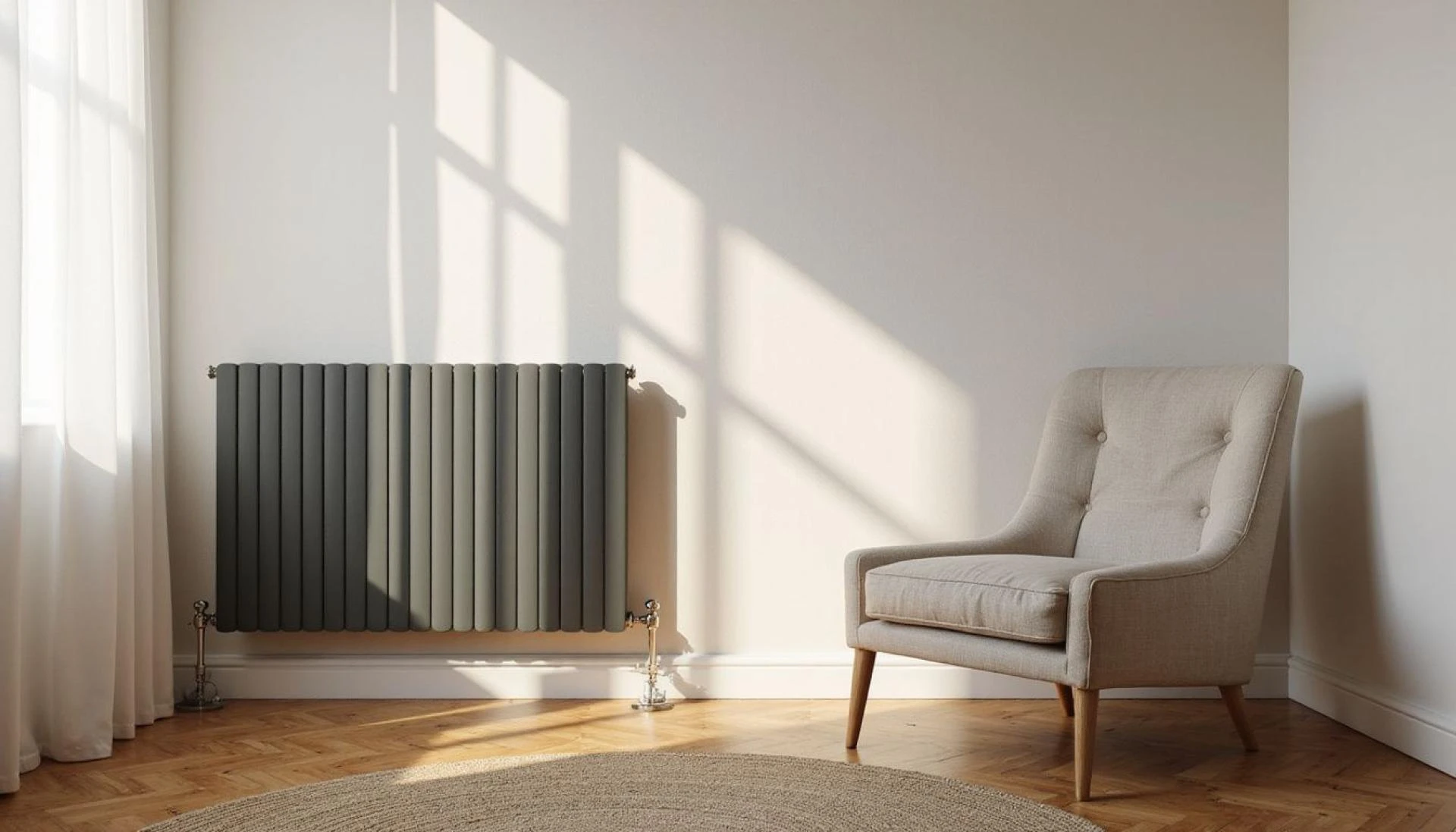
Designer radiators change how we think about heating entirely. They're not just functional; they can become genuine focal points in a room. Vertical options work particularly well where floor space is tight, making them a smart pick for hallways, bathrooms, and compact bedrooms.
As highlighted in a 2026 technical comparison by The Radiator Hub, aluminium radiators hold roughly 80% less water than comparable steel radiators and reach operating temperature 30% to 40% faster. That means rooms warm up more quickly and your boiler works less hard in the process, which is a real benefit for energy efficiency.
Aluminium construction also helps keep running costs down over time. These radiators heat rooms quickly and maintain warmth efficiently, a combination that suits modern homes very well. Various finishes and unconventional shapes mean your radiator can complement your décor rather than compete with it.
Wall space becomes less of a concern when vertical designs take up minimal horizontal width. Modern finishes coordinate well with contemporary interiors, and the tall proportions add a visual dimension that traditional horizontal models rarely achieve.
Towel Radiators and Column Radiators
Towel radiators and column radiators each bring distinct advantages for different rooms. Here's how they compare.
| Radiator Type | Design & Purpose | Material & Benefits | Heat Characteristics | Ideal Locations |
|---|---|---|---|---|
| Towel Radiators | Ladder-style design for drying towels; decorative touch for bathrooms | Stainless steel construction; rust-resistant; quick to heat; maintains warmth efficiently | Rapid heating; consistent temperature retention | Bathrooms and en-suites; dual-purpose heating and drying |
| Column Radiators | Vertical metal tubes; traditional appearance; classic aesthetic appeal | Durable metal construction; space-efficient vertical layout | Moderate heat output; suitable for general room heating | Living rooms, hallways, bedrooms; areas requiring traditional style |
Stainless steel towel radiators do more than heat your bathroom. They dry towels at the same time, saving you from running a separate appliance. Rust-resistant stainless steel handles bathroom moisture without deteriorating, so these fixtures hold up very well over time.
Installation time differs considerably between plumbed and electric models. Plumbed stainless steel towel radiators average around 3.5 hours to install because they require pipe work modifications and leak testing. Electric towel radiators, by contrast, take just over an hour on average since they only need wall fixings and electrical connections. That time saving adds up quickly if you're renovating more than one bathroom.
If you're fitting an electric towel radiator in a bathroom, the IP rating is a critical safety consideration. Under the UK electrical safety regulations (BS 7671), any electric towel radiator installed within 60cm of a bath or shower, known as Zone 2, must carry a minimum rating of IPX4 or IP44. This is a legal compliance requirement, not simply a recommendation, so always check the product specification before purchasing.
- Check the IP rating: IPX4 or IP44 minimum for Zone 2 installations
- Choose plumbed models when pipework is already accessible for better long-term running costs
- Opt for electric models during renovations to cut installation time significantly
- Stainless steel construction withstands bathroom moisture far better than chrome-plated alternatives
Column radiators bring real character to a space through their vertical tube construction. Traditional and period properties suit them particularly well. They slot neatly into corners and work brilliantly in hallways and bedrooms where you want warmth without sacrificing floor space.
A heated towel rail works especially hard in an en-suite. Quick heating means you step out of the shower to a warm, dry towel every time. Combining heating and drying into one fixture also keeps the room feeling tidy and uncluttered.
Column radiators deliver consistent heating and often become talking points when used on feature walls. Traditional homes gain period-appropriate style, and these radiators suit living rooms, hallways, and bedrooms alike. Choosing between towel radiators and column radiators comes down to your room requirements and personal style preferences. Now let's look at how to get the most from whichever type you choose.
Factors to Consider When Choosing a Radiator
Picking the right radiator means thinking about heat output, materials, and the space you have available. You'll also need to consider British thermal units, wall types, and whether a plumbed system or electric radiators suit your lifestyle and budget.
Heat Output (BTU) Requirements
Heat output determines whether your radiator actually warms your home. We measure this using British Thermal Units, or BTU, which tells us the energy needed to bring a given space up to a comfortable temperature.
Every plumbed radiator carries a BTU rating in its specifications. This number tells you exactly how much warmth that radiator will deliver. Without knowing your BTU requirement first, you risk buying a radiator that looks great but falls short on heating.
That's why using a BTU calculator before shopping is always worth the few minutes it takes. Whether you're looking at cheap designer radiators or premium options from Milano Windsor or Milano Aruba, getting the BTU calculation right is the most important step in any radiator buying guide process.
The calculator needs three key inputs:
- Your room dimensions in metres
- Your window size and glazing type
- The number of external walls in the room
These details reveal how much heat your room actually loses, which shapes the BTU figure you need to match.
Once you have your BTU figure, go roughly 10% above it when choosing a radiator. This gives you the flexibility to dial things back using a thermostat. According to the Part L Building Regulations and supporting research from the University of Salford, fitting Thermostatic Radiator Valves (TRVs) to your radiators is actually a legal requirement when replacing a boiler. Using them correctly can also reduce gas boiler energy usage by around 18%. Installing TRVs isn't just a sensible move; it's a legal obligation during system upgrades.
If your calculations show you need 5,000 BTU but you can't find that exact rating, a radiator at 5,500 BTU is a sensible choice. Larger rooms often benefit from two or more radiators placed strategically rather than one oversized unit. Multiple radiators distribute warmth more evenly throughout the space.
- Always add up the total BTU output of all planned radiators in a room
- The combined figure should meet or slightly exceed your room's requirement
- This sizing principle applies equally to steel radiators, stainless steel radiators, and oil-filled radiators
Getting your BTU calculation right from the start saves money, prevents wasted energy, and keeps your home genuinely comfortable through every season.
Material, Style, and Space Availability
Mild steel radiators dominate most UK homes, and it's easy to see why. They're reliable, resist corrosion, and sit comfortably within most budgets. Aluminium radiators offer superior heat output and warm rooms faster, though they cool down more quickly once the system switches off.
Stainless steel radiators heat up quickly and hold warmth well, making them a solid choice for bathrooms and kitchens. Cast iron radiators take their time warming up, but they retain heat long after your boiler switches off. Bear in mind that their weight is considerable, so your floor structure needs to handle it. Our team at Planet Radiators and bestheating recognises that material choice shapes both performance and long-term durability. Mild steel options are also recyclable, which makes them an environmentally sound choice when upgrading.
Style deserves just as much thought as substance. Designer radiators come in vertical, horizontal, column, and panel designs, giving you the flexibility to match your room décor. Vertical radiators suit narrow walls particularly well, while space-saving radiators tuck into tight corners without fuss.
- Mirror radiators serve a dual purpose, reflecting light while heating the room
- Type 33 radiators and convector radiators offer different heat output profiles and aesthetics
- Radiator covers and cabinets can transform a basic panel radiator into an attractive room feature
- Covers also keep hot surfaces away from children, which is a practical safety benefit worth considering
Your room layout, furniture positioning, and existing pipework all play a role in what works best. Screwfix and other retailers stock a wide range of options, so browsing carefully before committing is always a good idea.
Tips for Optimal Radiator Placement
Where you place your radiator matters more than most people expect. Getting it right means working with your room layout, furniture arrangement, and existing pipework to get real performance from your central heating system.
Room Layout and Furniture Positioning
Placing radiators away from large furniture pieces is one of the simplest ways to improve heating performance. Sofas, wardrobes, and bookcases act as barriers, trapping warm air and reducing your heating and plumbing system's efficiency. According to UK insulation experts at SuperFOIL, furniture placed directly in front of a radiator should have a minimum clearance gap of 30cm to allow convective heat to circulate properly, and to prevent heat from warping furniture over time.
Large items positioned directly in front of a radiator force heat to travel around obstacles. Think of it like trying to pour water through a blocked pipe; the flow slows down considerably, and your energy efficiency suffers as a result.
One homeowner discovered this impact directly when relocating a radiator in a 12 square metre bedroom. Originally positioned behind a tall bookcase against an internal wall, the radiator struggled to warm the space. The thermostat sat at 21 degrees and heating ran for 12 hours daily. After moving the radiator to a clear external wall and rebalancing the system, the thermostat setting dropped to 19.5 degrees while heating runtime fell to just 8 hours per day. Monthly gas usage estimates declined by 9% during the trial period. Simply clearing the space around the radiator made the room feel warmer sooner and required less heating overall.
- Position seating so warm air can flow freely across the room, rather than being blocked by furniture backs
- Sketch your room layout before installation, noting windows, doors, and furniture positions
- Avoid corners and alcoves where heat gets trapped and circulates poorly
- Place UK radiators on external walls to combat cold spots near windows
- Dual fuel radiators and standard models both benefit from clear, open placement
- Radiator boosters with fans can push heated air into distant corners in trickier layouts
This planning step takes only a few minutes but delivers months of better comfort and lower bills.
Existing Pipework and Wall Type
Now that we've covered room layout, it's time to think about what's behind your walls. Your existing pipework and wall structure have a significant impact on how smoothly a heating and plumbing installation goes.
According to a 2026 installation guide from The Radiator Hub, a standard vertical radiator can hold 10 to 15 litres of water, adding up to 15kg of operating weight once the system is filled. Standard plastic wall plugs will eventually fail under this load on hollow plasterboard, particularly under the repeated stress of thermal expansion. This is why wall type genuinely matters from a safety perspective.
| Wall Type | Suitability | Fixing Requirement |
|---|---|---|
| Solid masonry or brick | Excellent foundation for radiator mounting | Standard masonry fixings appropriate for the radiator's filled weight |
| Plasterboard (stud wall) | Requires careful assessment before mounting | Brackets must locate into wooden studs behind the board; standard plugs are not sufficient |
Existing pipes also determine which radiator valves you'll need. Side connections typically require angled valves when pipes come up from the floor or emerge from the wall. Underside connections use straight valves for floor pipes and angled valves for wall pipes.
Complex installations involving floorboard removal or pipe relocation require time and real experience. We strongly recommend calling a qualified plumber for anything beyond a straightforward like-for-like swap. Moving existing pipes is not a weekend project, and getting it wrong could cause serious damage to your entire heating and plumbing system.
Like-for-like radiator replacements are manageable for confident DIYers. Any work involving plumbing, boilers, or electrical connections absolutely requires a qualified professional. Keeping everything safe and properly functioning is the one thing we'd never compromise on.
FAQs
1. How do I choose the right radiator for my home?
We always recommend calculating your room's BTU requirement first, which you can do using a free online calculator from the Energy Saving Trust. Match the radiator's output to your room size, because a small radiator in a large room simply will not keep you warm.
2. What heating and plumbing checks should I do before buying a radiator?
We suggest checking your boiler type and pressure rating before buying. If you have an older system boiler, it may need upgrading to handle modern high-output radiators efficiently.
3. Are some radiators better for saving energy?
Yes, radiators with thermostatic radiator valves can reduce your heating bills by around 15%, according to recent data from the Energy Saving Trust. These valves let you control the temperature in each room separately, so you are not wasting energy heating empty spaces. We find this is one of the simplest upgrades that actually makes a difference to your bills.
4. Can I fit a radiator myself?
We always recommend hiring a Gas Safe registered engineer for radiator installation in the UK. Poor fitting can cause leaks or even invalidate your home insurance, which is not worth the risk.





























Sign in to leave a comment.