
Snow belongs to December in the Northern Hemisphere, yet for many countries below the equator, December arrives wrapped in heat, humidity, and long daylight hours. This contrast is exactly why Christmas in July exists—a mid-year celebration that flips the seasons and brings winter cheer to places where Christmas Day is more likely to involve barbecues than fireplaces. What began as a playful idea has grown into a much-loved tradition, blending nostalgia, seasonal logic, and a genuine desire to slow down and reconnect.
Rather than replacing Christmas, July celebrations complement it, offering a second chance to enjoy everything that summer makes impractical. Roast dinners feel more comforting, mulled drinks make sense, and cosy gatherings suddenly fit the weather. Over time, Christmas in July has evolved from a novelty into a meaningful cultural moment, especially in Australia, New Zealand, and parts of South America.
Where the Idea Came From
Long before restaurants and retailers embraced the concept, Christmas in July had humble beginnings. One of the earliest recorded celebrations took place in 1933 at Keystone Camp in North Carolina, where a group of girls enjoyed a surprise Christmas-themed party complete with decorations, carols, and gift exchanges. While this event occurred in the Northern Hemisphere, the idea later resonated far more strongly in southern regions.
As British settlers brought their festive traditions to Australia and New Zealand, they also carried an emotional connection to winter Christmases, something the southern climate simply could not provide in December. Over generations, this longing quietly persisted. By the late 20th century, hospitality venues began experimenting with “winter Christmas” menus in July, tapping into both nostalgia and practicality.
From there, the idea spread organically. Families started hosting their own mid-year feasts, communities embraced themed events, and Christmas in July became less of a gimmick and more of a seasonal celebration with its own identity.
Why July Makes Perfect Sense
Cold weather has a way of changing how people gather. July, in much of the Southern Hemisphere, encourages slower evenings, shared meals, and indoor celebrations. Instead of fighting the heat, hosts can lean into winter comfort, crackling fires, warm lighting, and hearty food that feels right for the season.
Beyond climate, timing also plays a role. July arrives when the year’s initial momentum often fades, offering a welcome emotional reset. It provides something to look forward to between the busyness of New Year and the rush toward December. For many, it feels like permission to pause, reconnect, and celebrate without the pressure that often accompanies traditional Christmas.
From a practical standpoint, July celebrations are also more relaxed. There is less competition for venues, fewer social obligations, and greater flexibility to personalise the experience. What emerges is a festive moment that feels intentional rather than obligatory.
How Australia Embraced Christmas in July
Across Australia, Christmas in July has found a particularly strong foothold. Alpine regions such as the Blue Mountains, Snowy Mountains, and parts of Victoria naturally lend themselves to winter festivities, often hosting themed events that attract visitors from warmer cities. Restaurants roll out special menus, hotels decorate with winter décor, and towns transform into festive escapes.
At home, Australians have adapted the celebration to suit modern lifestyles. Some families recreate a classic roast dinner with all the trimmings, while others opt for intimate gatherings focused on comfort food and conversation. The flexibility of the tradition allows each household to shape it according to their preferences, making it accessible to everyone.
Interestingly, Christmas in July has also become popular in workplaces and community groups. Office lunches, charity fundraisers, and local events use the theme as a way to boost morale and bring people together during the colder months.
Food as the Heart of the Celebration
Nothing anchors Christmas in July quite like food. Winter opens the door to dishes that feel out of place in December’s heat but shine in July’s chill. Slow-cooked meats, rich gravies, roasted vegetables, and spiced desserts suddenly feel perfectly timed.
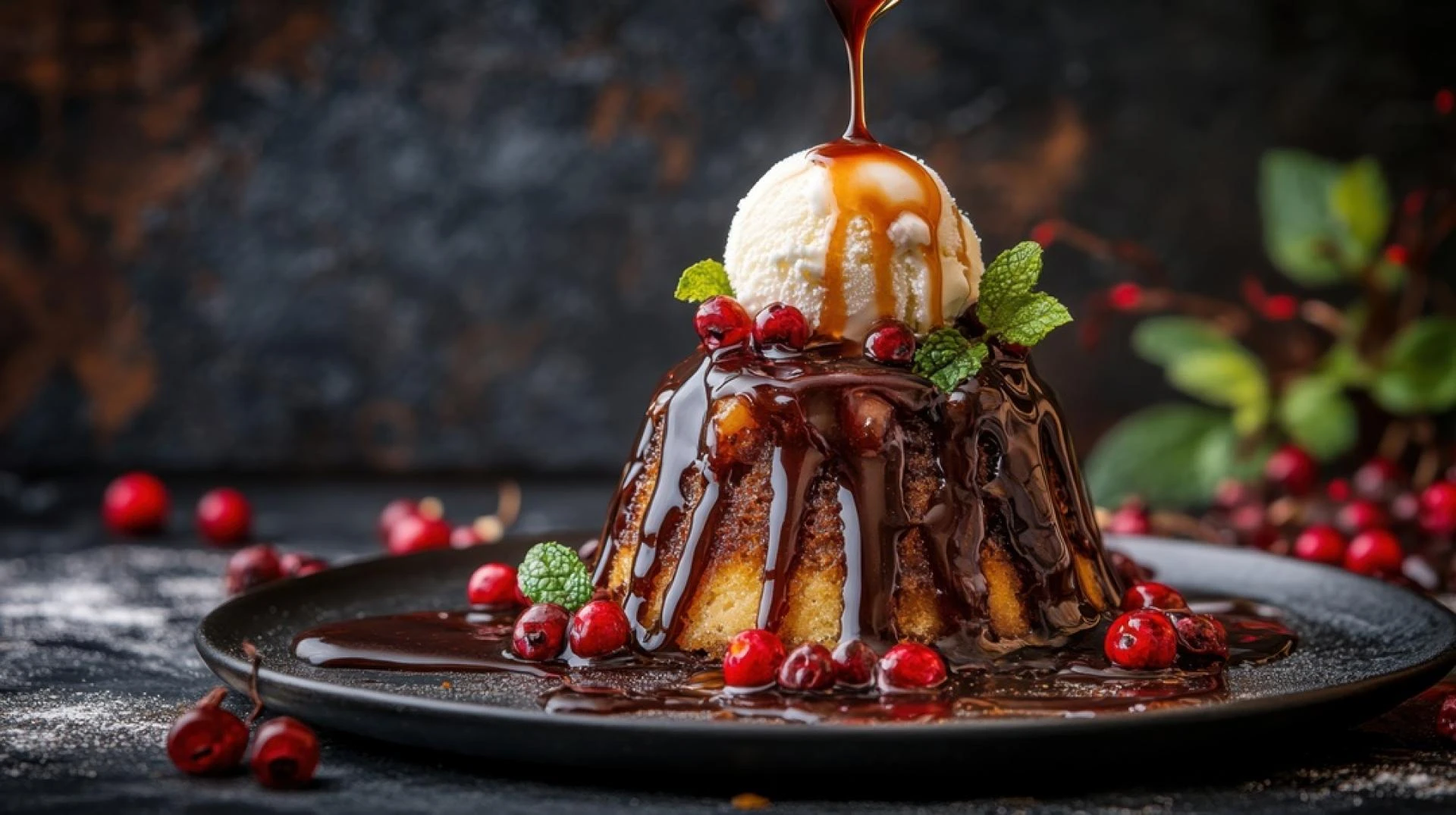
Desserts, in particular, take centre stage. Many hosts revisit recipes passed down through generations, embracing the warmth and depth of flavours that define traditional festive sweets. It is often during these mid-year celebrations that traditional Christmas puddings finally get their moment to shine, served warm with custard or cream rather than reluctantly tolerated in summer heat.
Drinks also play a significant role. Mulled wine, spiced cider, and hot chocolate replace chilled beverages, creating a sensory experience that feels distinctly wintery. The combination of aroma, warmth, and shared indulgence transforms a simple meal into a memorable event.
Decorations and Atmosphere
Unlike December, when decorations compete with bright sunlight and outdoor settings, July allows festive styling to feel more authentic. Soft lighting, candles, textured fabrics, and winter greenery create an atmosphere that mirrors classic Christmas imagery.
Some people lean heavily into tradition, using familiar decorations and colour schemes. Others reinterpret the look with modern touches, neutral palettes, natural materials, or minimalist styling that suits contemporary homes. The beauty of Christmas in July lies in its freedom; there are no strict rules or expectations.
Music often completes the atmosphere. Carols feel more fitting in winter, and the sound of familiar songs can instantly shift the mood, evoking comfort and nostalgia without the overwhelming intensity that December sometimes brings.
Celebrating Beyond the Home
While many people mark Christmas in July privately, public celebrations have become increasingly popular. Restaurants, pubs, and hotels frequently host themed nights, offering set menus and festive entertainment. These events are especially appealing to those who want the experience without the preparation.
Charities and community groups have also embraced the concept. Fundraisers built around winter feasts or themed events benefit from the novelty while encouraging generosity during a quieter giving season. In this way, Christmas in July extends beyond indulgence and becomes a vehicle for connection and support.
Tourism has benefited as well. Winter destinations use the theme to attract visitors, creating seasonal experiences that boost local economies during traditionally slower months.
A Global Perspective
Although most strongly associated with Australia and New Zealand, Christmas in July is not confined to these regions. South Africa, Argentina, and Brazil have also adopted similar celebrations, each adapting the idea to local culture and climate.
In the Northern Hemisphere, the concept exists more as a novelty or marketing theme, often used for sales or themed events rather than seasonal necessity. This contrast highlights how deeply the tradition is tied to the lived experience of winter versus summer, rather than the calendar alone.
What unites these global interpretations is the underlying desire to celebrate connection, warmth, and tradition—regardless of the date.
Why the Tradition Continues to Grow
Modern life moves quickly, and December often arrives overloaded with expectations. Christmas in July offers an alternative, one that feels less commercial, less rushed, and more grounded. Removing the pressure of “the big day” allows people to focus on what they actually enjoy about the season.
Another reason for its growth is adaptability. Families can scale the celebration up or down, making it suitable for small households, large gatherings, or even solo moments of indulgence. There is no single right way to celebrate, which keeps the tradition inclusive.
Social media has also played a role, showcasing creative interpretations and inspiring others to try their own version. What might once have felt unusual now feels familiar, even anticipated.
Final Thought
As lifestyles continue to evolve, Christmas in July shows no sign of fading. Instead, it is carving out a lasting place in cultural calendars, particularly in regions where winter deserves its own moment of celebration.
The tradition’s strength lies in its balance, honouring the past while adapting to the present. By embracing seasonal logic and emotional connection, it offers a fresh perspective on celebration itself.
Ultimately, Christmas in July is less about the date and more about the feeling. It is an invitation to slow down, gather warmly, and rediscover the joy of winter festivities, no matter where you live or how you choose to celebrate.



























Sign in to leave a comment.