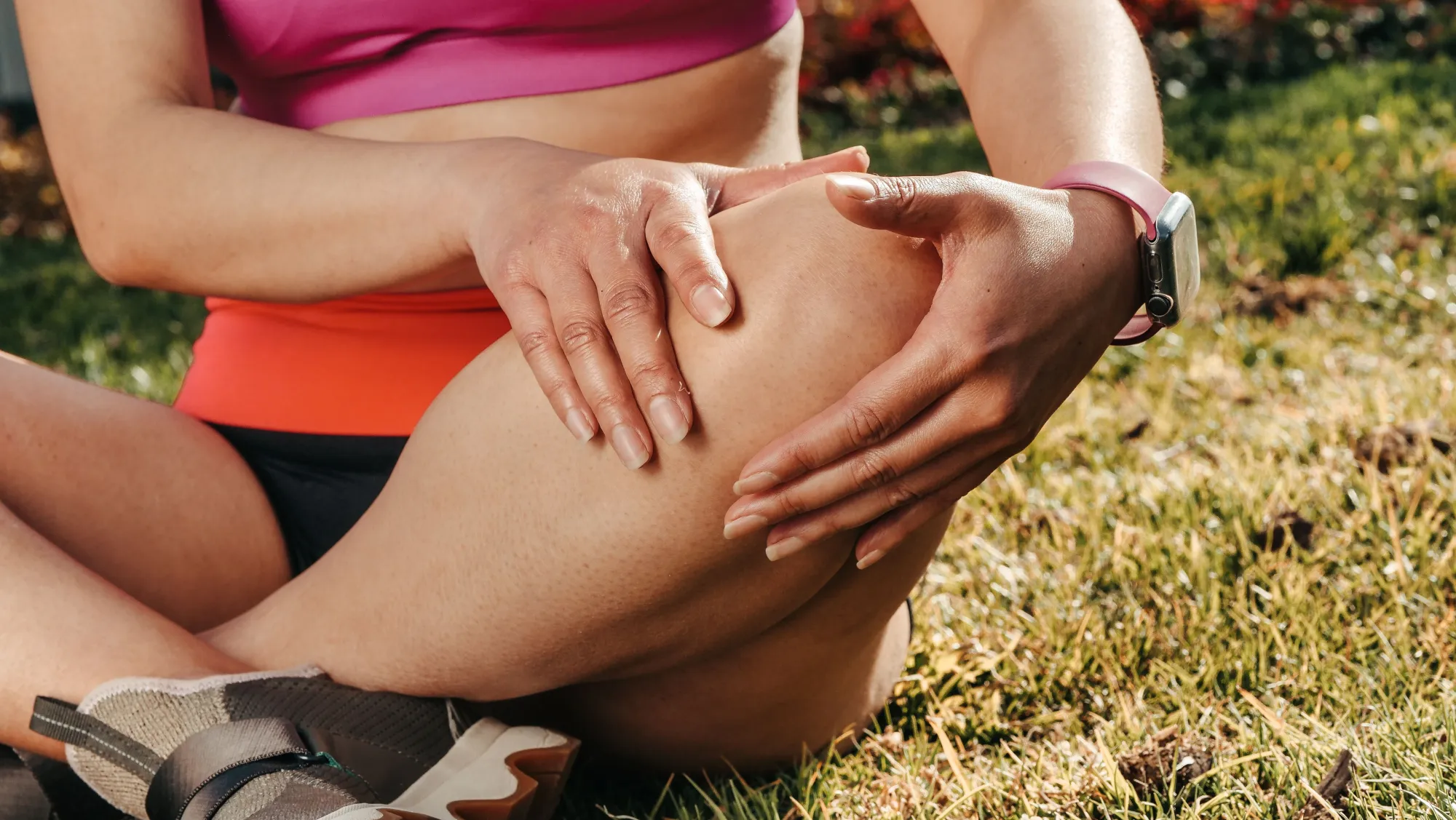

Knee pain. It hits millions every year. Walking, exercise, the basic stuff most people never think twice about — all of it becomes negotiable once the joint starts going. Injury, arthritis, overuse: the causes differ, but the outcome's usually the same slow erosion of independence. Surgery and long-term medication are on the table, sure. But a lot of people end up at physical therapy first — and understanding what actually happens in those sessions puts you ahead before you've walked through the door.
1. Quadriceps Strengthening Exercises
That big muscle group running down the front of your thigh? It's at the center of almost every knee pain treatment plan. Strengthen it, and it absorbs load that would otherwise grind straight through cartilage and stressed tissue. Straight leg raises are the classic move — lie flat, lock the knee, lift. That's it. Seated knee extensions do similar work from a chair: straighten, hold briefly, lower. Both scale up with resistance bands as strength builds. Stick with it over several weeks and the payoff tends to be real — measurable pain reduction, restored function, the kind of progress that actually shows up in daily life.
2. Hamstring and Calf Flexibility Work
Tight hamstrings pull. Tight calves do too. From different angles, both tug on the knee — quietly warping your movement patterns until pain just becomes the baseline. Therapists go after this directly: seated forward bends, standing hamstring stretches, wall calf stretches with one leg trailing behind. Each one targets tissue that feeds directly into how the knee tracks and loads under weight. Hold 30 seconds, repeat a few times daily, keep showing up. Things loosen gradually. Flexibility work alone won't fix anything, but paired with strengthening, it fills in the gaps of a genuinely balanced program.
3. Low-Impact Aerobic Activity
Cardiovascular fitness still matters — even when the knee is the problem. The trick is movement that keeps your heart rate up without hammering the joint. Water is ideal; buoyancy offsets body weight, letting you move through a full range with none of the usual compression. Stationary cycling is another staple — controlled, predictable, easy on the joint. Elliptical machines offer that smooth gliding stride that runners with knee trouble often tolerate far better than pavement ever allowed. Start short. Build slowly. You're chasing adaptation, not aggravation.
4. Manual Therapy and Soft Tissue Mobilization
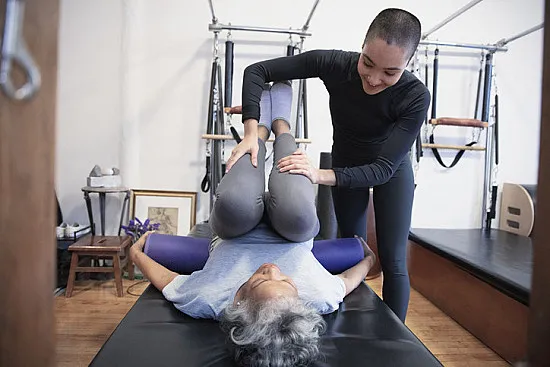
Not everything in physical therapy requires you doing the work. Hands-on techniques — soft tissue mobilization, myofascial release, trigger point therapy — apply targeted pressure to the muscles, tendons, and ligaments surrounding the knee. That pressure releases tension, gets circulation moving, and dials down pain signals coming from overworked tissue. Joint mobilizations, where the therapist manually moves the knee through deliberate patterns, can restore range of motion that exercises alone can't quite unlock. People seeking knee pain relief in NYC often weave these manual sessions into broader care plans — and the research backs that call. One caveat: hands-on treatment works best running alongside a steady home exercise routine, not replacing it.
5. Balance and Proprioception Training
Proprioception is your body's internal GPS — its real-time read on where each joint sits in space. Injury and chronic pain disrupt that system. The knee gets unstable. Vulnerable. Stairs start feeling like a gamble. Therapists retrain this with progressive balance challenges: single-leg stands, arm movements layered on top, balance boards, unstable surfaces. It begins with a hand on the wall and builds toward unassisted control. Stronger proprioception means a more stable knee during the movements that actually count — walking, climbing, pivoting — and less accumulated pain over time.
6. Gait Training and Movement Pattern Correction
Watch someone with chronic knee pain walk. There's usually a compensatory hitch — an inward knee collapse, a shortened stride, a foot rolling in. These patterns develop quietly; the body guarding against discomfort the only way it knows how. But they redistribute load in ways that make things worse, not better. Therapists observe the full walking pattern, pinpoint the specific fault, then coach corrections: knee over foot, hip more engaged, stride evened out. Repetition rewires the habit. Once the movement pattern cleans up, the abnormal stress drops — sometimes dramatically, sometimes right away.
Conclusion
Chronic knee pain responds well to therapy that hits multiple targets at once — strength, flexibility, cardiovascular conditioning, movement mechanics. These six techniques form the backbone of most evidence-based knee programs. A qualified physical therapist tailors all of it to your specific situation, which matters far more than any generic protocol ever could. Stay consistent with the home work, show up for the professional sessions, and you've got a real shot at cutting pain and reclaiming mobility. If chronic knee pain has been running your life, a conversation with your healthcare provider about physical therapy might be the most practical first step you can take.


























Sign in to leave a comment.