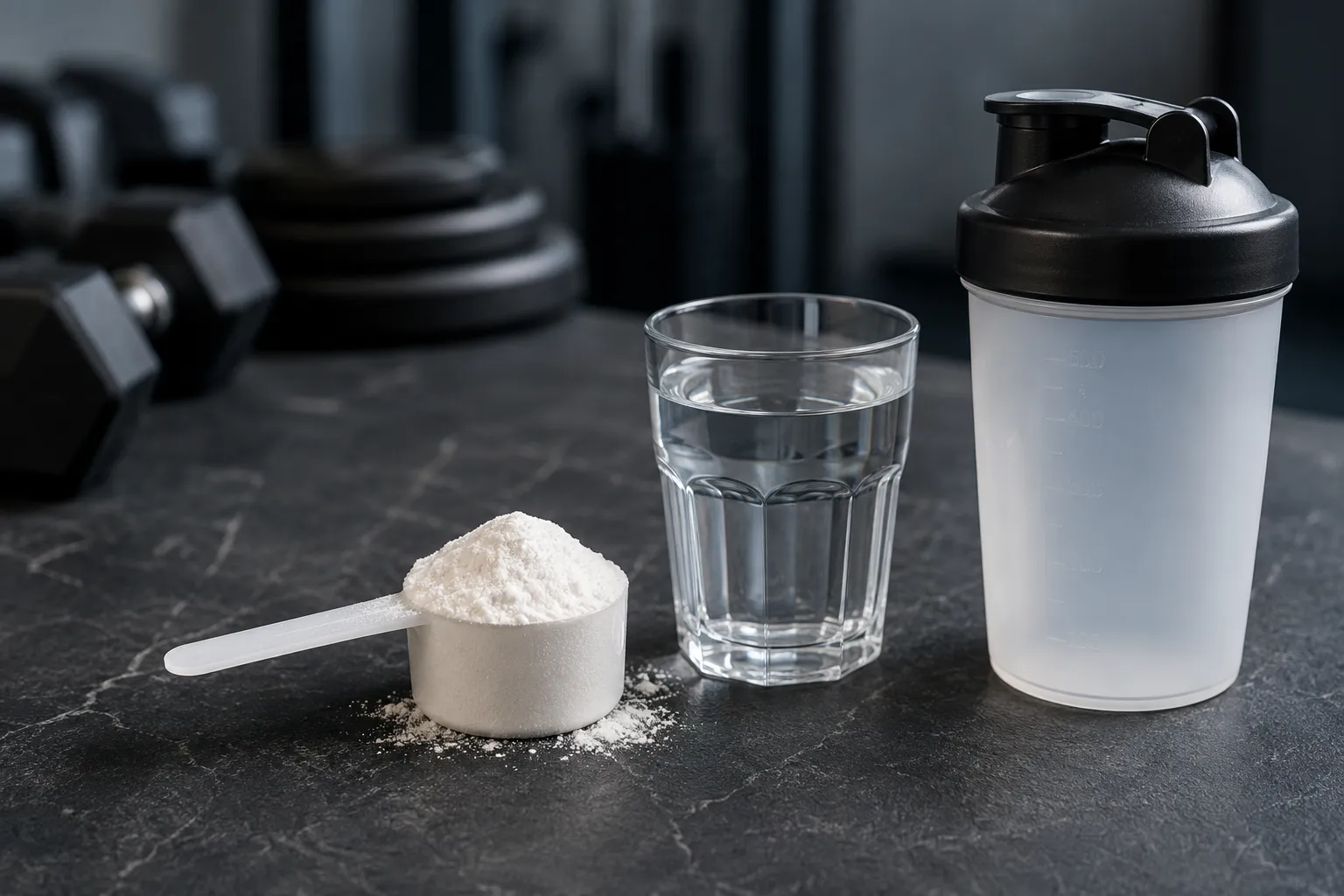
Creatine monohydrate is one of the most researched supplements in sports nutrition, and daily doses of 3 to 5 grams support muscle strength, power, and lean mass when paired with resistance training. Decades of safety data back its use in healthy adults, and the mild side effects some people notice, like water weight, usually fade within a few weeks. The real risk isn't creatine itself, it's skipping medical advice if you already have kidney issues, or buying a poorly tested brand. If you've spent any time in a gym or scrolled fitness content online, you've heard someone mention creatine. It's cheap, it's been studied for more than three decades, and it still gets tangled up in rumors about kidney damage, hair loss, and "unnatural" muscle gains. This guide breaks down what creatine actually does in the body, how much to take, what side effects are real versus exaggerated, and which myths deserve to be retired for good.
Whether you're picking up your first tub or trying to fine-tune your routine with structured strength training programs, this is the reference to bookmark.
What Is Creatine and How Does It Work?
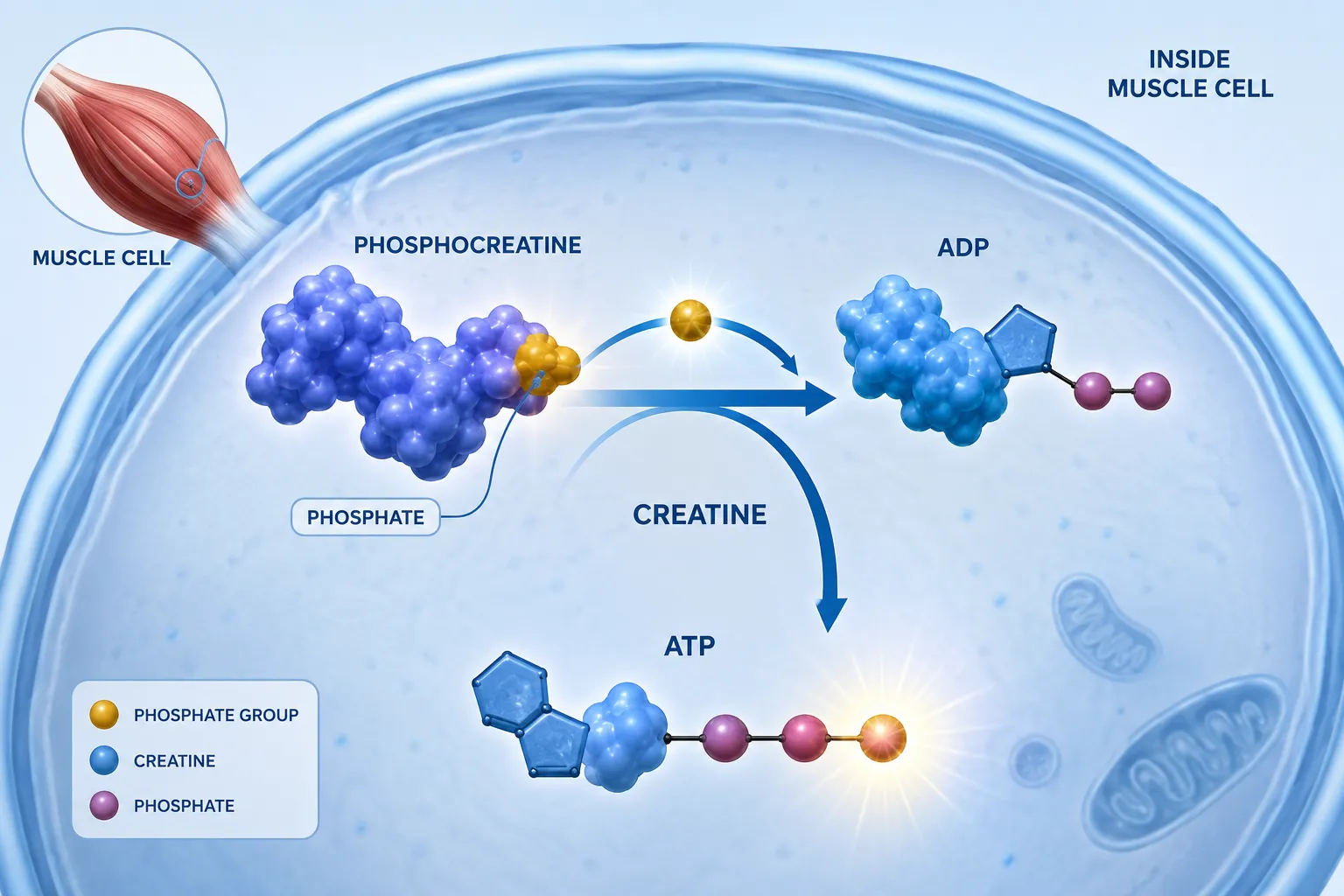
Creatine is a natural compound made from amino acids, and your body produces roughly half of what it needs on its own. The rest comes from foods like red meat and fish, or from supplementation.
Most of the creatine in your body sits in skeletal muscle as phosphocreatine. During short bursts of intense effort, like a heavy squat or a sprint, phosphocreatine helps regenerate ATP, the molecule your cells use for quick energy. More phosphocreatine on hand means your muscles can produce force for a few extra reps or a few extra seconds before fatigue sets in.
What Are the Benefits of Creatine?

Creatine's biggest benefit is straightforward: it helps you train harder for longer, which drives better long-term results.
Muscle Strength and Power
Across more than a hundred clinical trials, creatine monohydrate has consistently increased strength, power output, and lean muscle mass in people who train with resistance. The effect isn't limited to bodybuilders. Research on adults over 55 who lift weights shows creatine can also improve strength, daily function, and time to fatigue, which matters for maintaining independence with age.
Brain and Cognitive Function
Creatine isn't just a muscle supplement. Since the brain also relies on phosphocreatine for energy, researchers have studied its effects on memory, mood, and mental sharpness, especially during sleep deprivation or in people with naturally lower creatine stores. Results are promising but still developing, so think of cognitive support as a bonus rather than the main reason to supplement.
Other Emerging Benefits
Preliminary research is also looking at creatine's role in bone density, recovery from injury, and supporting muscle mass in postmenopausal women. None of these uses are as well established as the strength and power benefits, but they're worth watching if you fall into one of those groups.
What Is the Best Creatine Dosage?
For most healthy adults, 3 to 5 grams of creatine monohydrate per day is the effective, well-studied dose, and you don't need anything fancier than that.
You'll often see two approaches recommended: a loading phase or a steady daily dose. Both get you to the same place, just on a different timeline.
| Approach | Daily Amount | Duration | Best For |
| Loading Phase | 20 to 25 g, split into 4 doses | 5 to 7 days, then drop to maintenance | Faster saturation before competition |
| Maintenance Only | 3 to 5 g, once daily | Ongoing | Most gym-goers not in a rush |
Either method saturates your muscles with creatine within about three to four weeks. The loading phase just gets you there faster, at the cost of a higher chance of stomach discomfort in the first week. Timing relative to your workout doesn't seem to matter much, so pick whatever fits your routine and stay consistent.
If you're building a broader supplement stack, our coaching resources can help you figure out what actually deserves a spot in your routine.
What Are the Side Effects of Creatine?
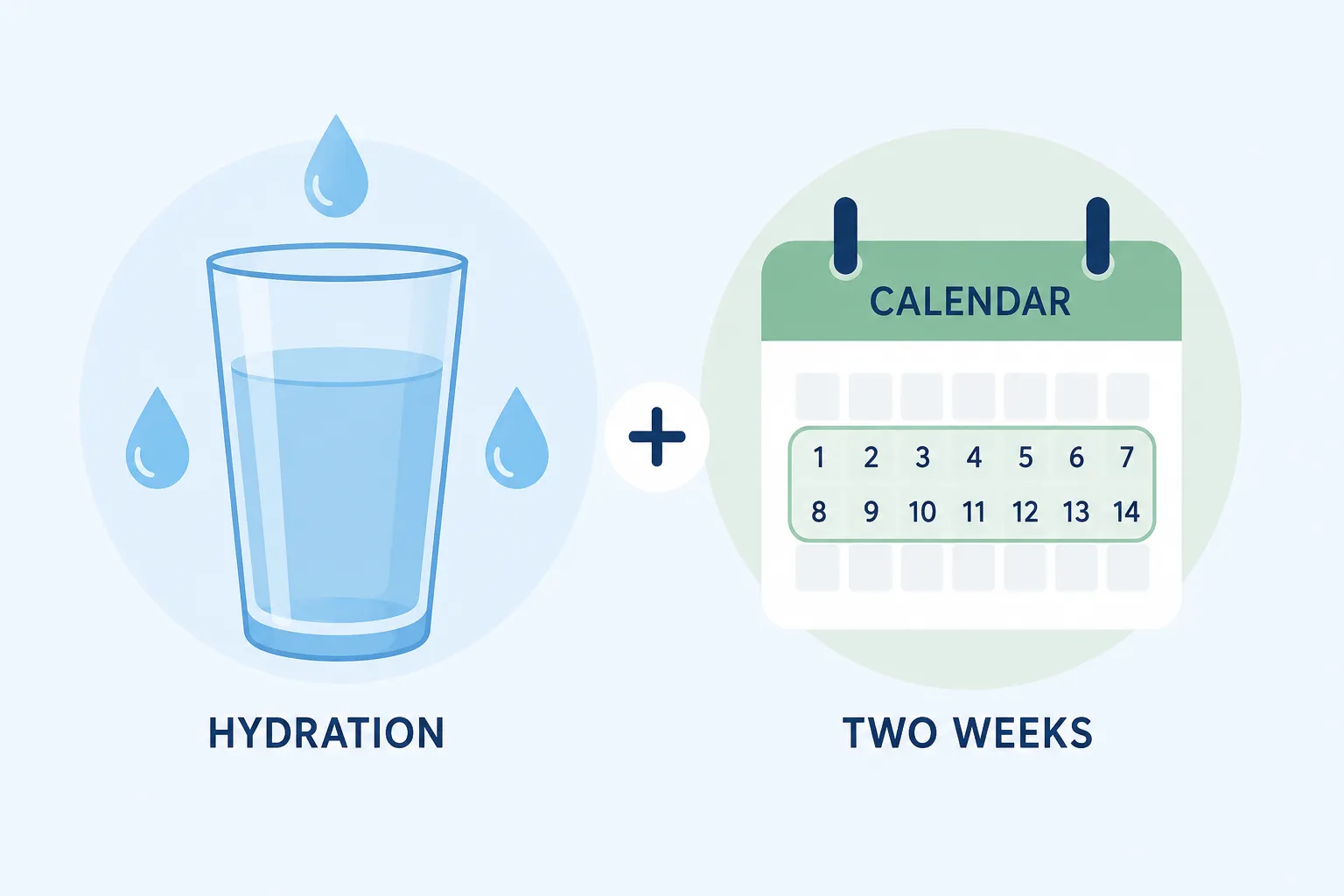
The most common side effect is water retention inside the muscle cells, which can show up as a small increase in scale weight during the first couple of weeks.
Other side effects people report, usually during a loading phase rather than at maintenance doses, include:
- Mild stomach discomfort or bloating
- Temporary weight gain from water, not fat
- Rare muscle cramping, though large trials haven't consistently confirmed this link
- Increased thirst, which is easily managed by drinking more water
People with existing kidney disease, uncontrolled diabetes, or those on kidney-affecting medications should talk to a doctor before starting, since their situation is different from a healthy adult's.
What Are the Biggest Creatine Myths?
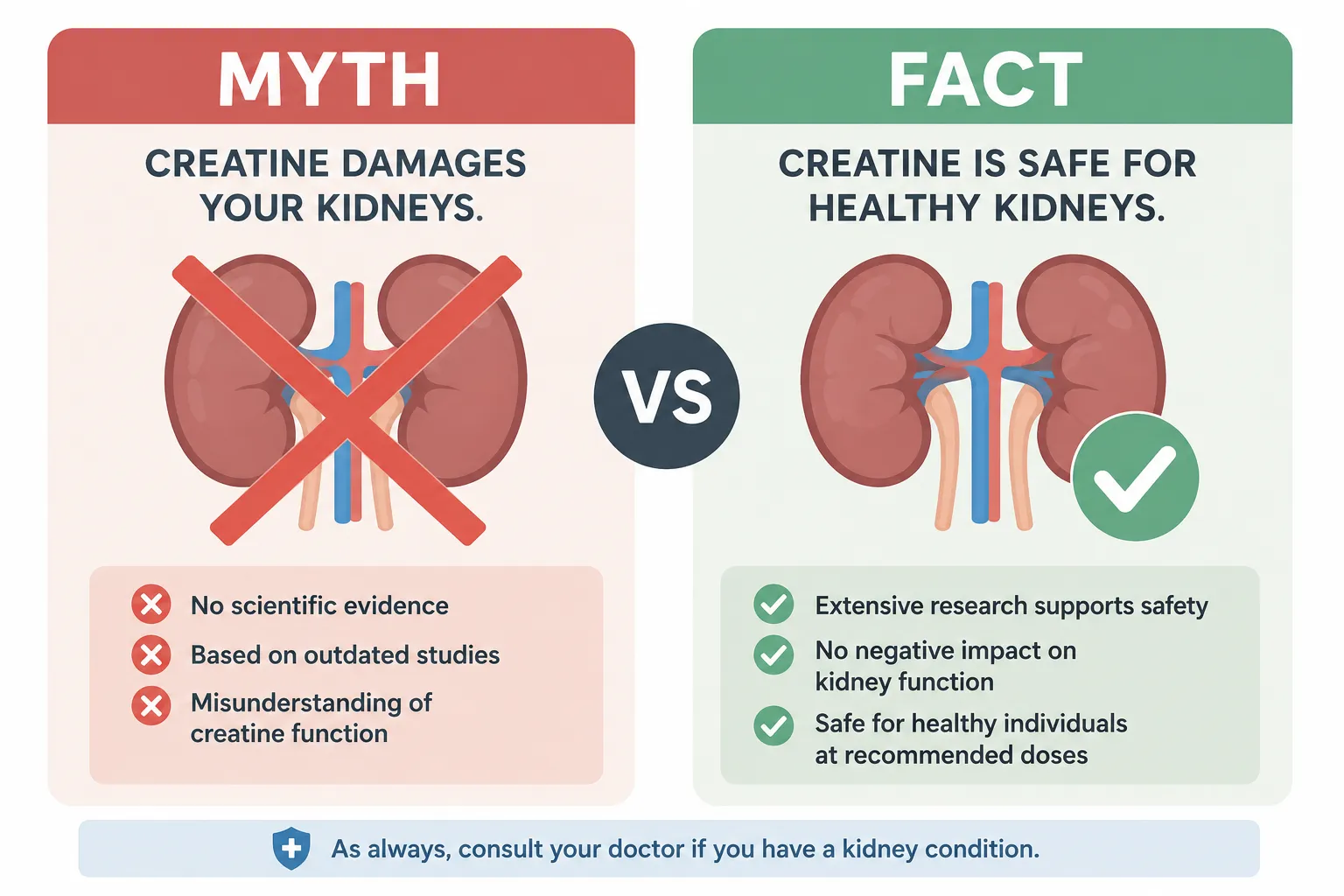
The most persistent creatine myths all trace back to one thing: confusing a harmless lab marker or a single small study with real, established harm.
Myth: Creatine Damages Your Kidneys
Creatine supplementation raises creatinine, a byproduct measured in kidney function tests, which is not the same as kidney damage. Multiple studies spanning years of continuous use in healthy adults have found no evidence of harm. The caution only applies to people who already have kidney disease.
Myth: Creatine Causes Hair Loss
This myth traces back to a single small study in rugby players that found a temporary rise in a hormone linked to hair loss in genetically susceptible people. No follow-up research has confirmed creatine actually causes hair loss or baldness.
Myth: Creatine Is a Steroid
Creatine and anabolic steroids don't share a chemical structure or a mechanism. Steroids alter hormone signaling throughout the body. Creatine simply helps regenerate cellular energy in muscle tissue.
Myth: Only Serious Bodybuilders Need It
Creatine's benefits show up for casual lifters, older adults, and even non-athletes who want more energy for daily activity. You don't need a competition on the calendar to benefit from it, and our mind and body coaching insights cover this in more depth.
How to Choose and Use Creatine
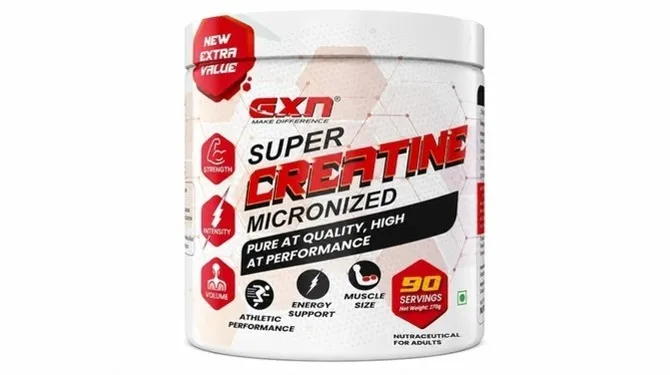
Stick with creatine monohydrate. It's the most studied form, it's inexpensive, and no other version, including buffered or micronized creatine, has shown a meaningful edge in the research.
A few practical tips:
- Choose a product that's third-party tested, since supplements aren't regulated the way medications are
- Mix 3 to 5 grams into water, juice, or a shake, any time of day
- Pair it consistently with resistance training for the biggest strength gains
- Give it three to four weeks before judging whether it's working
If you want a plan that pairs creatine with a program built around your goals, our personalized coaching programs are a good next step.
Frequently Asked Questions
Do I need to cycle off creatine?
No. Current research doesn't show a benefit to cycling on and off creatine. Continuous daily use at 3 to 5 grams is both effective and considered safe for healthy adults.
Is creatine safe for women?
Yes. Creatine works the same way in women's muscle physiology as it does in men's, and research on active women shows similar strength and performance benefits.
Will creatine make me gain fat?
No. Any early weight gain is water stored in muscle tissue, not fat. Over time, creatine tends to support lean muscle gain rather than fat gain.
Can I take creatine without lifting weights?
You can, but the biggest benefits show up when it's paired with resistance training. Without training, you may still get modest support for energy and cognitive function, but not the strength gains it's best known for.
What's the difference between creatine monohydrate and other forms?
Creatine monohydrate has the most research behind it and is generally the cheapest option. Other forms, like creatine HCL or buffered creatine, haven't been shown to outperform it despite higher price tags.
Conclusion
Creatine remains one of the few supplements with genuine, repeated evidence behind it. At 3 to 5 grams a day, paired with regular resistance training, it supports real gains in strength, power, and lean muscle, along with emerging benefits for brain function and healthy aging. The myths about kidney damage, hair loss, and steroid-like effects don't hold up against the research, though it's always smart to check with a doctor if you have an existing health condition.
Curious how creatine fits into your specific training goals? Reach out to our team and we'll help you build a plan around it.



























Sign in to leave a comment.