I used to think a six pack was something you earned with enough crunches. At 280 pounds, I did thousands of them and saw nothing change. The truth took years to learn: how to get a six pack has almost nothing to do with your abs and everything to do with fat loss, nutrition, and the mindset that keeps you consistent long enough for any of it to show.
This guide breaks down the real process, the one I wish someone had handed me when I started. No gimmicks, no 30 day promises. Just what actually works.
Why Ab Exercises Alone Won't Get You There
Everyone has abdominal muscles. What hides them is a layer of body fat sitting on top. You can do a thousand sit ups a day and still not see definition if that fat layer stays in place.
Research backs this up. Spot reduction, the idea that you can target fat loss to one area through exercise, is a myth. Studies confirm the body burns fat from all over rather than just the area you train. Crunches alone will never reveal a six pack. They build the muscle underneath, but they don't strip the fat covering it.
This is the part most people skip because it's not exciting. Visible abs are made in your kitchen and your weekly training volume, not in 200 reps of sit ups before bed.
The Two Things That Actually Reveal a Six Pack
Getting visible abs comes down to two factors working together.
1. Lowering your overall body fat percentage. For most men, abs start becoming visible around 10 to 14 percent body fat. For women, that range tends to sit a bit higher due to natural hormonal differences. Genetics play a real role in where you store fat first and lose it from last.
2. Building the abdominal muscle underneath. A stronger, thicker rectus abdominis and obliques create more definition once the fat layer thins out. Core training still matters, just not as a fat burning tool. It's a sculpting tool for what shows once the fat is gone.
If you want to know how to lose belly fat, this is the same answer. There's no separate secret for belly fat versus six pack abs. It's the same process: consistent caloric deficit, strength training, and patience.
Build Your Training Around a Full Body Workout
You don't need to train abs every single day. What you need is a full body workout structure that builds muscle, burns calories, and keeps your metabolism working for you.
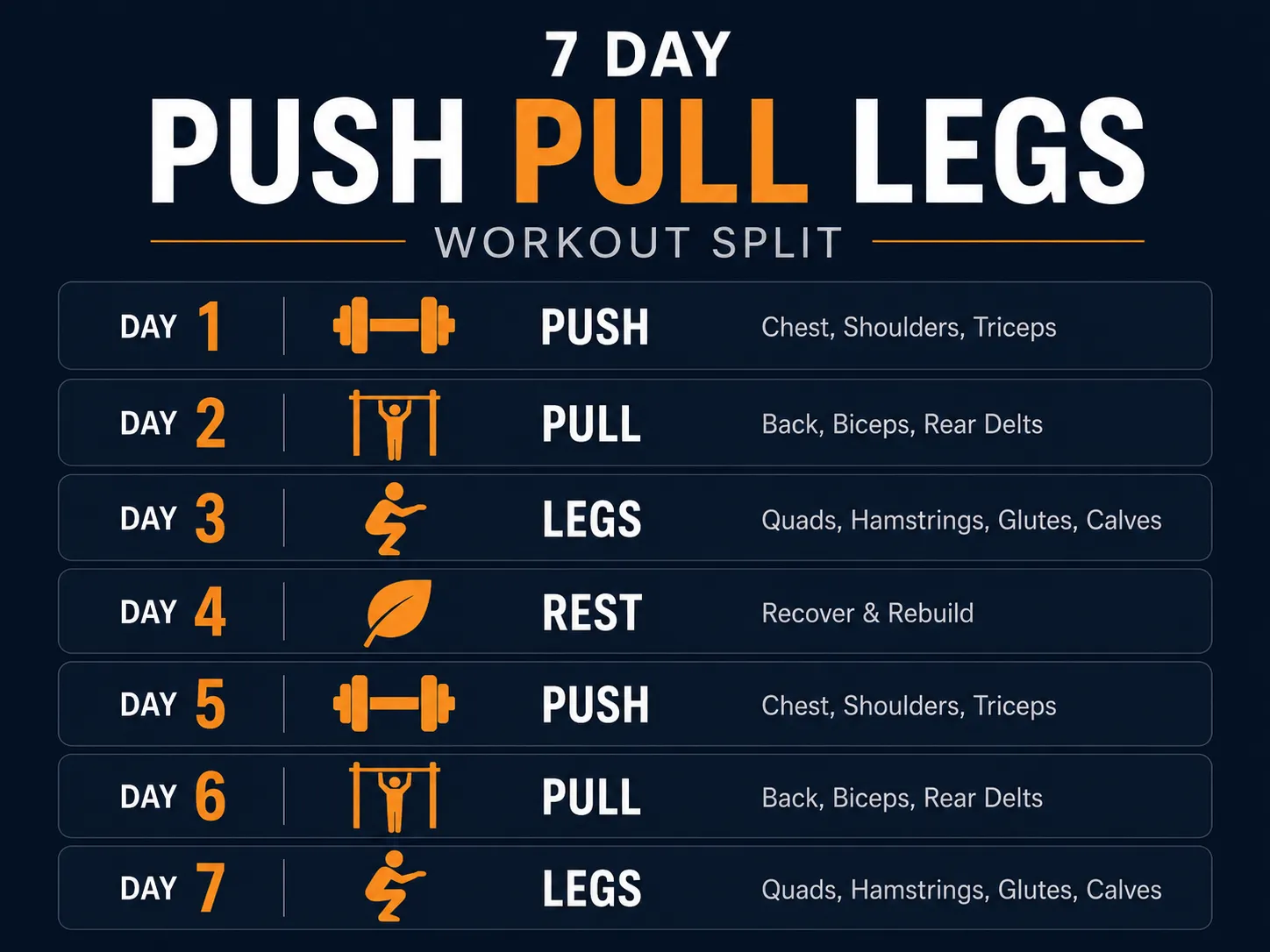
A simple, effective way to structure your week is a push pull legs split. One day focuses on pushing movements like bench press and shoulder press, one on pulling movements like rows and pull ups, and one on legs like squats and deadlifts. If you train six days a week, repeat the cycle twice. This push pull legs approach hits every major muscle group with enough frequency to build real strength while staying organized and sustainable.
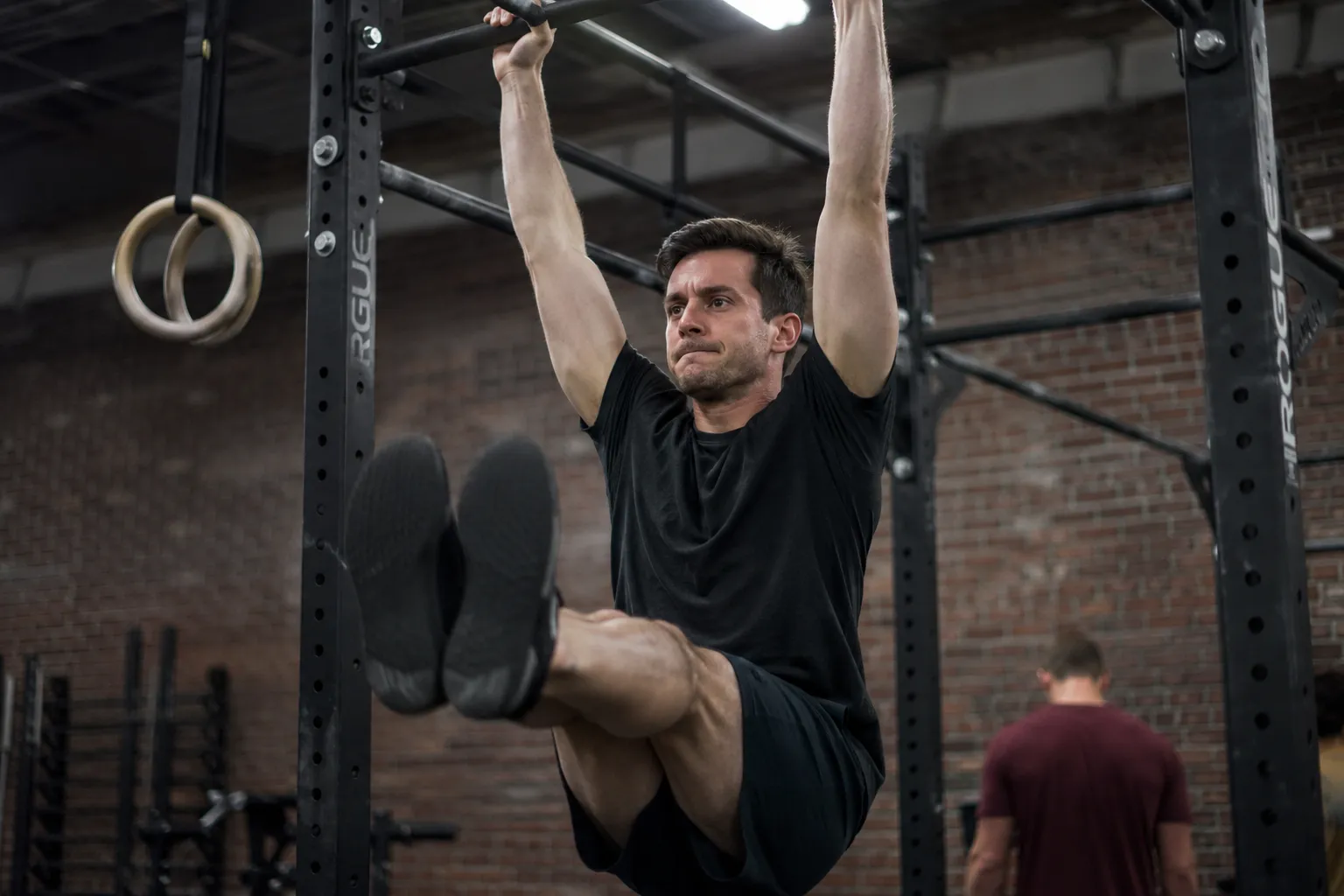
Add two to three direct core sessions per week. Planks, hanging leg raises, and cable crunches work better long term than endless sit ups because they build strength under load instead of just racking up reps.
Sample Weekly Structure
- Day 1: Push (chest, shoulders, triceps)
- Day 2: Pull (back, biceps)
- Day 3: Legs (quads, hamstrings, glutes)
- Day 4: Rest or light cardio
- Day 5: Push pull legs cycle repeats
- Day 6: Core focused session plus cardio
- Day 7: Rest
This kind of workout routine for men also works well for women who want a structured, repeatable plan rather than a random mix of exercises each week. If you're just starting out, the same structure doubles as a solid beginner workout plan, since it teaches the core movement patterns before you add complexity.
Nutrition: The Part Nobody Wants to Hear
You cannot out train a bad diet. I learned this after months of hard training with nothing to show for it because my eating habits hadn't changed.
To reveal a six pack, eat in a slight caloric deficit while keeping protein high enough to preserve the muscle you're building. A common guideline for how much protein per day is roughly 0.7 to 1 gram per pound of body weight for people who train regularly. A 180 pound man might aim for 125 to 180 grams daily, adjusted based on activity level and goals.
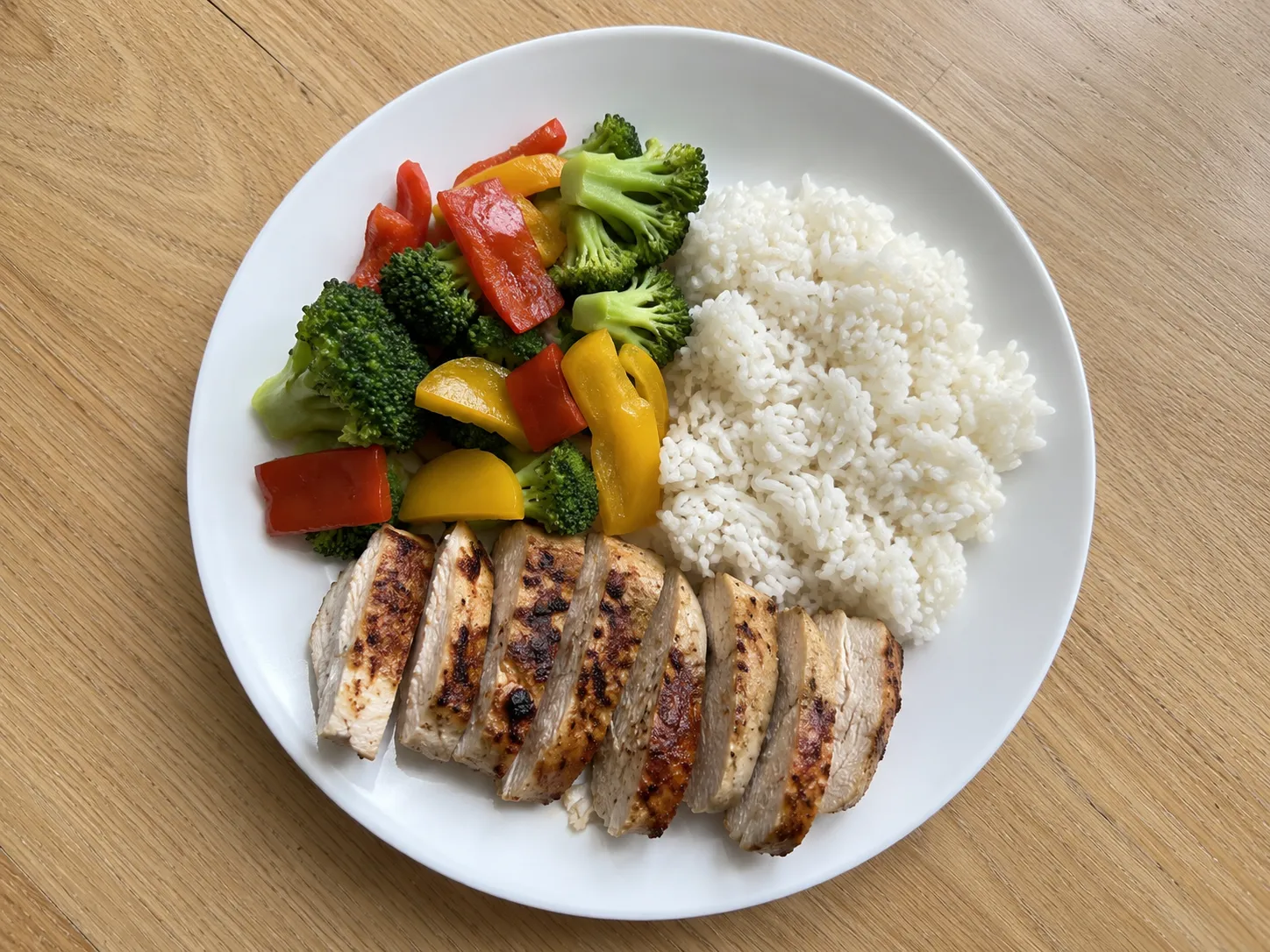
Build your meals around high protein meals like grilled chicken with rice and vegetables, eggs with whole grain toast, or a salmon and quinoa bowl. These keep you full longer and support the recovery your muscles need between sessions.
If you struggle to hit your protein target through food alone, the best protein powder for you is simply the one that fits your dietary needs, tastes good enough that you'll actually drink it, and doesn't upset your stomach.
The Mindset Behind Visible Abs
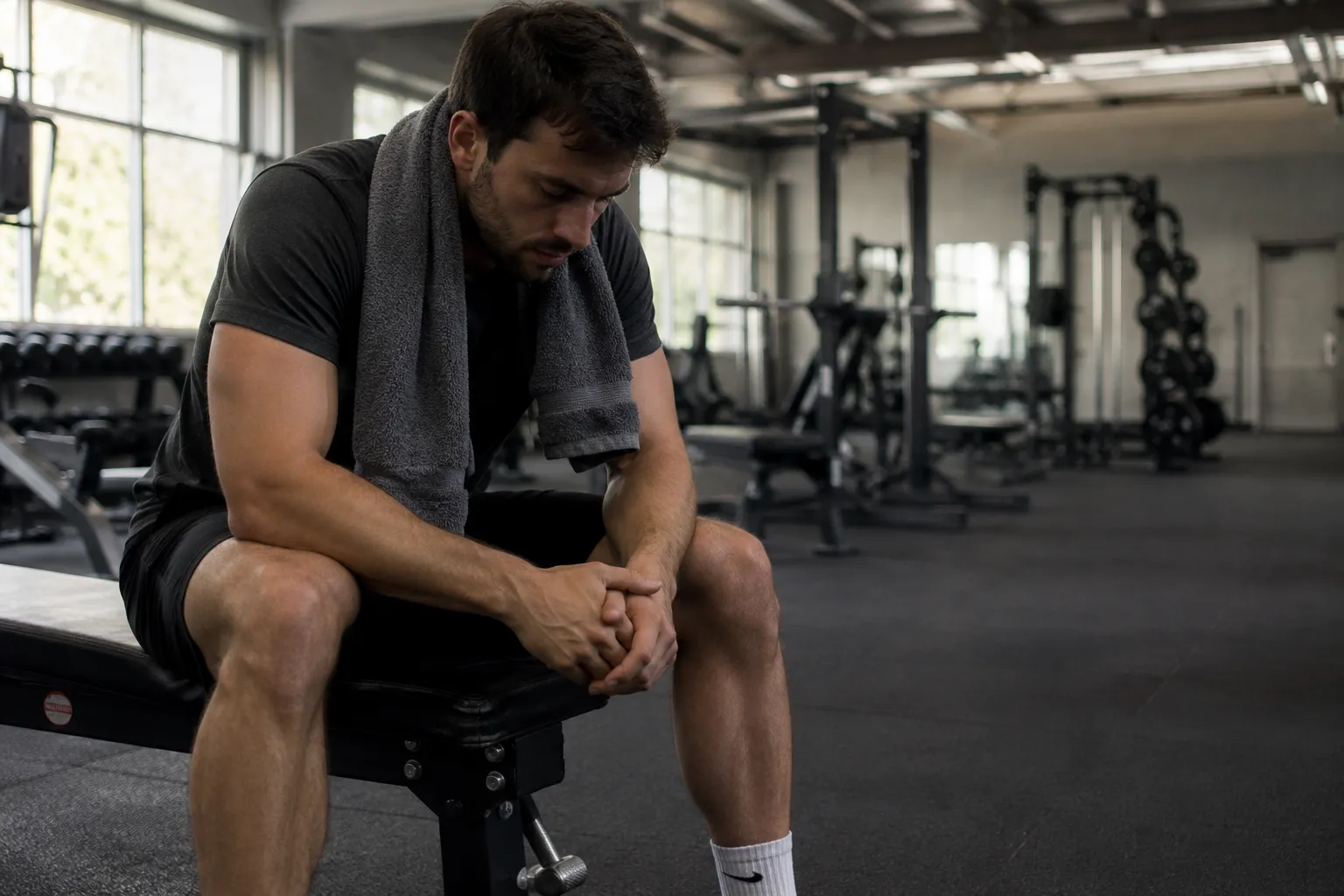
Here's what I tell every person I coach: your body follows where your mind leads. A six pack is one of the slowest visible results in fitness. It can take months of consistent effort before you see real change in the mirror, and that gap between effort and reward is where most people quit.
This is where a growth mindset becomes the actual deciding factor. A growth mindset means treating setbacks as information instead of proof that you should give up. Missed a workout? That's data, not a verdict on your character. Ate over your calories at a birthday dinner? That's one meal, not a failed week.
The weights and the meal plan are just tools. The real work happens between your ears, in the decision to show up again tomorrow even when last week didn't go perfectly.
Action Steps: How to Apply This
- Track your starting point. Take a photo and note your current weight and how your clothes fit. You need a baseline to measure real progress.
- Set a modest caloric deficit. Aim for 300 to 500 calories below maintenance, not an extreme cut that leaves you exhausted and unable to train hard.
- Hit your protein target daily. Use the 0.7 to 1 gram per pound guideline and plan high protein meals in advance so you're not guessing at dinner time.
- Follow a push pull legs split for three to six days per week, training each muscle group with enough volume to build strength.
- Add direct core work two to three times weekly: planks, hanging leg raises, cable crunches.
- Reframe setbacks immediately. When you slip, name it as information and get back to your plan the same day, not the following Monday.
Reassess every four weeks. Adjust calories or training volume based on real progress, not impatience.
Frequently Asked Questions
Q: How long does it take to get a six pack? A: For most people starting at an average body fat percentage, it takes anywhere from three to six months of consistent training and nutrition to see real definition. Your starting point, genetics, and consistency all affect the timeline.
Q: Can I get a six pack by doing ab workouts every day? A: No. Daily ab workouts build the muscle but won't reduce the fat layer covering it. You need a caloric deficit through nutrition and full body training to lower your overall body fat percentage first.
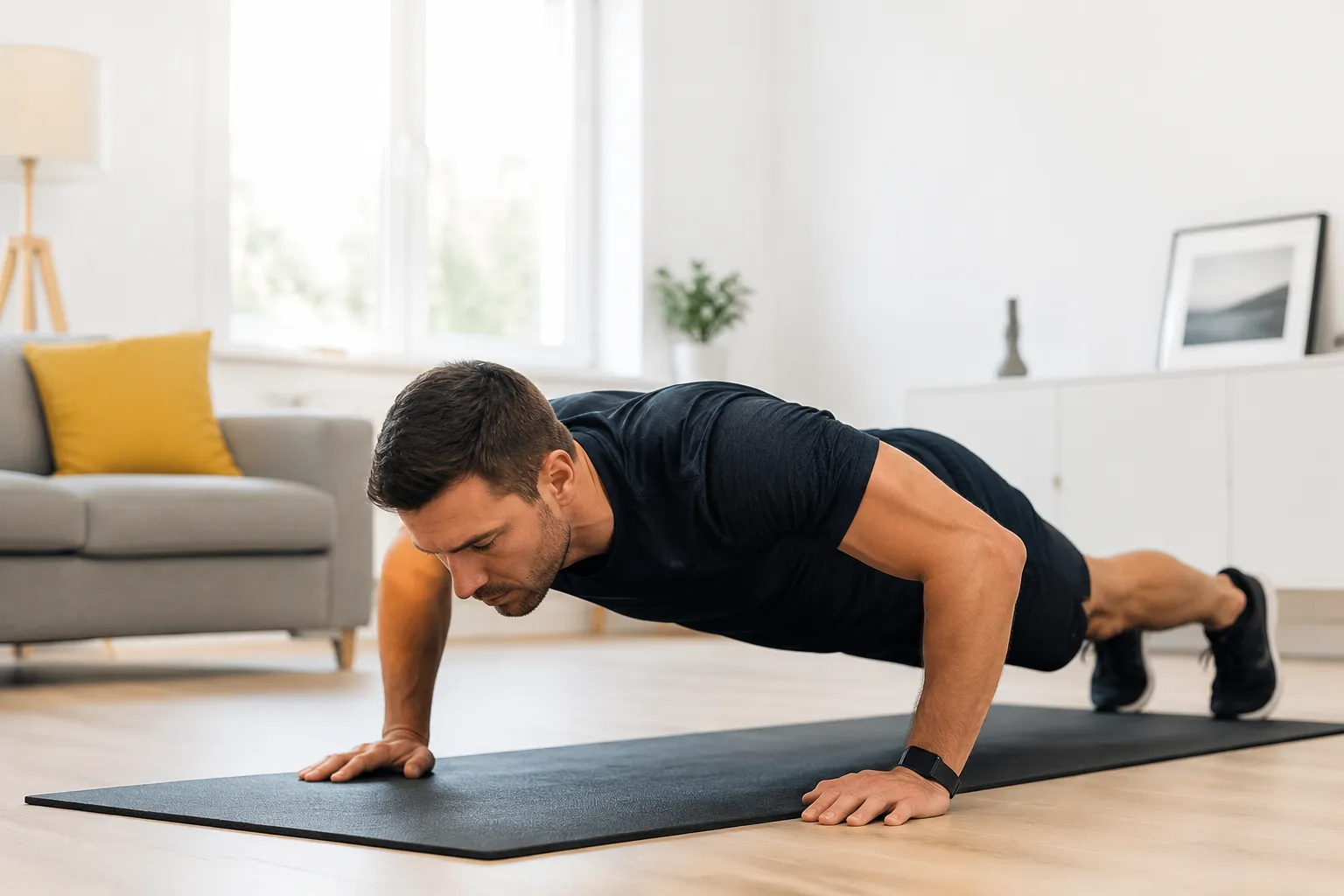
Q: Do I need a gym to build visible abs? A: Not necessarily. A solid home workout plan using bodyweight movements, resistance bands, or dumbbells can build the muscle and burn enough calories to support fat loss, as long as your nutrition matches your goal.
Q: What body fat percentage do you need for a six pack? A: Most men start seeing definition around 10 to 14 percent body fat, while women typically need a slightly higher range due to natural hormonal differences in fat storage.
Q: How do I stay motivated when results take months? A: Shift your focus from outcome to process. Track workouts completed and meals planned rather than only checking the mirror. This is also where gym motivation tends to fade fastest, so build small daily wins into your routine instead of relying on willpower alone.
Conclusion
Learning how to get a six pack isn't really about your abs at all. It's about building a sustainable training routine, eating enough protein while staying in a modest deficit, and developing the mental discipline to keep going when progress feels invisible. I went from 280 pounds with zero visible muscle to understanding this process from the inside out, and I can tell you the body changes once the mind commits first. If you're ready to stop guessing and build a real plan around your goals, our coaching community is here to help you figure out what consistency actually looks like for your life.

























Sign in to leave a comment.