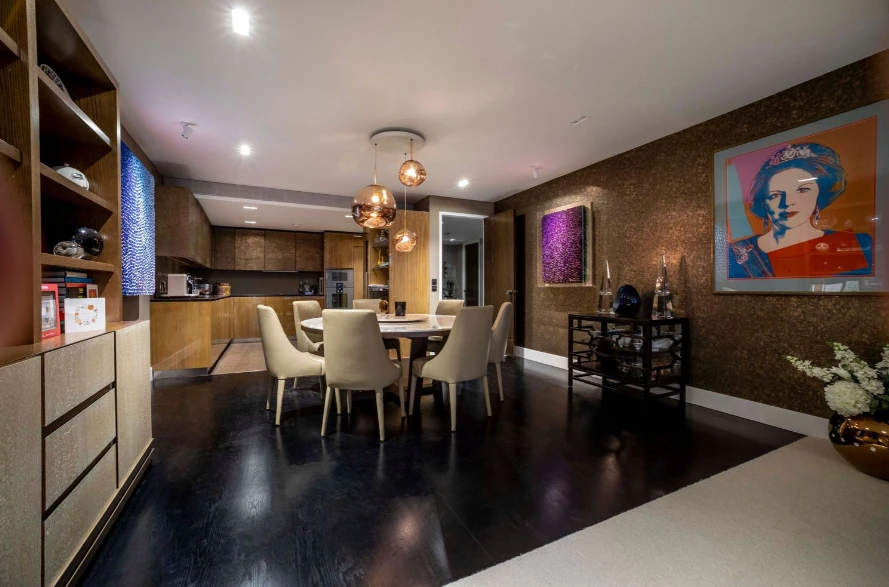

Photography captures the beauty, mood, and functionality of indoor spaces. It helps showcase homes, offices, and commercial spaces in their best light. Photographers use various techniques to highlight design elements. Choosing the right style can make a big difference in the outcome.
When it comes to interior photography, two major styles stand out: classic and contemporary. Each style has unique features, benefits, and techniques. Understanding them helps clients and photographers create visually stunning results. This guide explains everything you need to know.
Understanding Interior Photography Styles
Photography is more than pointing a camera at a room. It involves composition, lighting, colour, and angles. The goal is to highlight space, materials, and design features. Classic and contemporary styles approach these goals differently.
Classic photography emphasises elegance and tradition. It often showcases ornate furniture, rich textures, and warm tones. The goal is to evoke a sense of timeless beauty. Photographers focus on symmetry and formal arrangements.
Contemporary photography is modern, minimalistic, and sleek. It uses clean lines, neutral colours, and functional spaces. The style highlights open areas, natural light, and simplicity. It often feels bright and airy, emphasising space rather than decoration.
Classic vs Contemporary: Key Differences
The differences between these styles are evident. Classic photography captures detailed textures and historical charm. It often includes dramatic lighting and deep shadows. The focus is on richness and sophistication.
Contemporary photography, in contrast, uses soft, even lighting and neutral palettes. The aim is clarity, simplicity, and a fresh look. Spaces appear larger, and details are minimal. The focus is on functionality rather than ornamentation.
Composition techniques also vary. Classic style favours centred subjects and formal balance. Contemporary style often uses asymmetry and dynamic angles. These choices affect how viewers perceive space and design.
Design Principles to Highlight Architectural Details
Highlighting architectural details is crucial in both styles. Classic photography emphasises moulding, columns, and decorative elements. Using soft side lighting can beautifully bring out textures. Angles should showcase elegance and proportion.
In contemporary photography, the focus is on clean lines and open spaces. Wide-angle lenses capture the room’s layout. Natural light is ideal to avoid harsh shadows. Simplicity in composition allows the architecture to speak for itself.
Lighting plays a key role. Classic interiors benefit from warm, directional lighting. Contemporary interiors work best with bright, diffused light. Both styles need careful planning to prevent distortion.
Key Features of Each Style
Classic photography features rich textures, heavy furniture, and ornate details. Colours are warm and often dramatic. The lighting is layered and atmospheric. The goal is a luxurious, timeless feel.
Contemporary photography features neutral tones, minimal decor, and functional furniture. Spaces appear open and airy. Lighting is natural or soft artificial. The goal is clarity, simplicity, and modern appeal.
Using props differs, too. Classic interiors may include decorative items like vases, books, and artwork. Contemporary interiors use minimal props to avoid clutter. Every object has a purpose and complements the design.
Common Mistakes and How to Avoid Them
Photographers often make mistakes that affect the final images. One standard error is poor lighting. Too much shadow or uneven light can ruin both classic and contemporary shots. Use proper lighting techniques for each style.
Clutter is another problem. Classic interiors may become overly busy with extra objects. Contemporary interiors may feel empty without focal points. Plan every shot carefully. Remove unnecessary items and focus on key features.
Angles are important. Shooting too low or too high can distort the look of rooms. Use tripods and level cameras to maintain perspective. Keep furniture lines straight and avoid lens distortion.
How Interior Photography Works
Professional photography is a process. It starts with planning and understanding the client’s needs. Photographers inspect the space, decide on style, and plan lighting and composition.
Next, equipment setup occurs. Cameras, lenses, and lighting tools are arranged for optimal results. Tripods, wide-angle lenses, and reflectors are commonly used. Photographers also adjust white balance and exposure.
The shooting process captures multiple angles and compositions. Classic interiors may need various lighting setups. Contemporary interiors often require fewer adjustments, with a focus on natural light. Post-processing enhances colours, clarity, and sharpness.
Key Aspects of Interior Photography
Several aspects define successful interior photography. Composition, lighting, angles, and lens choice are essential. Each style uses these elements differently. Classic interiors rely on balance and texture. Contemporary interiors rely on clarity and light.
Colour and contrast also matter. Classic interiors use warm, rich tones. Contemporary interiors use neutral or muted tones. Correct colour management ensures consistency and visual appeal.
Props, styling, and staging are equally important. Every object should enhance the style. Classic props emphasise elegance, while contemporary props emphasise function.
How to Choose the Best Interior Photography in London
Choosing the right photographer for interior photography in London involves research. Look for professionals with experience in both classic and contemporary styles. Check reviews, portfolios, and client testimonials.
Ensure they understand your project goals. Discuss style preferences, lighting, and staging requirements. Confirm their availability and delivery timelines.
Price should be balanced with quality. Avoid the cheapest options, as quality can suffer. Instead, focus on photographers who provide a full-service experience. Professional guidance ensures your property looks its best.
Conclusion
Understanding the differences between classic and contemporary photography styles is essential for capturing spaces beautifully. Classic style emphasises elegance, texture, and history. Contemporary style highlights simplicity, light, and modernity. When choosing interior photography in London, consider experience, portfolio, style knowledge, and professionalism. High-quality images enhance property appeal, attract clients, and increase value. Both styles offer unique benefits, and the choice depends on the property and desired effect.































Sign in to leave a comment.