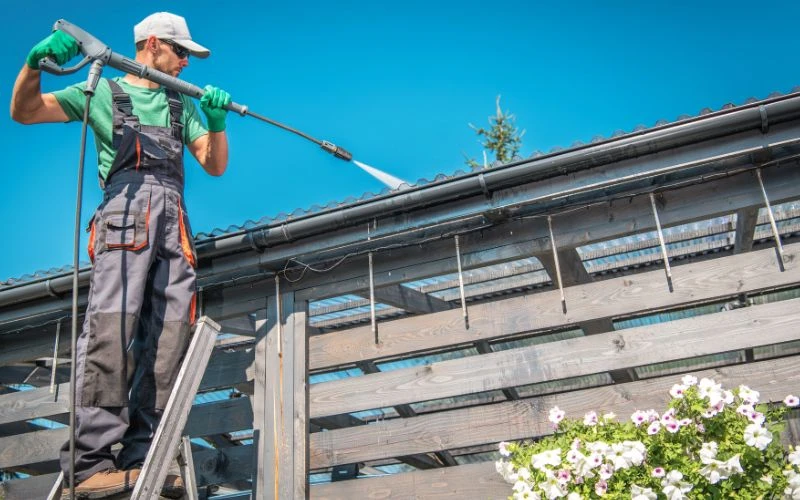

A clean roof can quickly give your home a refreshed, new look. But here’s the kicker—many homeowners unintentionally cause serious damage while trying to clean it themselves. In fact, local roofing specialists report that improper cleaning is one of the top causes of tile and membrane wear. For those considering roof restoration in Croydon, knowing whether to soft wash or pressure wash is crucial to protect your investment.
Soft Wash vs Pressure Wash: Which Is Right for Your Roof?
Think of soft washing as giving your roof a gentle spa treatment, while pressure washing is more like sending it to the gym.
Soft washing:
- Low-pressure water and cleansers that are safe for the environment are used.
- Gets rid of moss, algae, lichen, and mildew gently.
- Keeps tiles and membranes that are easily damaged from cracking
Pressure washing:
- High-pressure water is used to blast dirt away.
- Works well on tougher surfaces like metal or concrete
- Care must be taken not to break tiles, remove paint, or loosen flashing.
Local experts note that over 70% of roof damage they see comes from aggressive pressure cleaning, making soft washing the safer choice for most residential roofs.
Which Roof Cleaning Approach Works Best?
Several factors help determine the best approach:
- Roof material: Metal, tiles, and rock all respond to pressure in different ways.
- Roof age: Older roofs are more likely to be damaged and need to be wet washed more often.
- Level of algae or moss: If there are a lot of them, you may need a gentle treatment first, then a stronger cleaning.
- Repairs made in the past: Repairs made recently may make tiles or membranes more susceptible.
For example, for a recent roof restoration in Rowville, technicians used soft washing to remove moss and carefully cleaned around flashing. The roof came out spotless, with no damage, underscoring the importance of professional guidance.
Can You Safely Clean Your Roof Yourself?
It’s possible, but caution is key. Follow this step-by-step guide:
- Inspect your roof for cracked tiles, loose flashing, or weakened membranes.
- Remove loose debris using a soft broom or by hand.
- Apply a soft wash solution to moss, algae, or mildew patches.
- Let it sit for 10–15 minutes, following product instructions.
- Rinse gently using low-pressure water, taking care around gutters.
- Inspect tiles and membranes for any damage after cleaning.
Pro tip: Avoid using high-pressure water on steep or multi-level roofs—falls and roof damage are common.
Why Proper Roof Cleaning Matters
Regular maintenance isn’t just about looks:
- Extends roof life: Keeps tiles and materials from breaking down, which extends the life of the roof.
- Prevents leaks:moss and algae can lift tiles and damage flashing.
- Boosts energy efficiency: Clean tiles better reflect heat, which saves energy.
- Maintains property value: first impressions matter
Homeowners in Croydon report that combining soft washing with minor repairs during professional roof restoration prevents leaks and keeps roofs looking new for years.
Quick Tips for a Safer Roof Clean
- Inspect your roof twice a year, especially before and after winter.
- Trim overhanging branches that drop moss or debris.
- Clean gutters simultaneously to prevent water backup.
- Hire a professional for steep or complex roofs to avoid accidents.
Takeaway: Protect Your Roof While Keeping It Clean
With the right approach, cleaning your roof doesn’t have to be risky. Soft washing, careful inspections, and routine maintenance can keep your home safe and looking great.
Action Checklist:
- Weak spots should be found in the tiles, membranes, and sealing.
- Get rid of any loose trash before you clean.
- To get rid of algae and moss, use soft wash.
- Do not use high-pressure cleaning unless it is safe for your roof type.
- Hire a professional roof repair if damage is found
A little care now can prevent costly repairs later—and give your roof a fresh, long-lasting shine.



























Sign in to leave a comment.