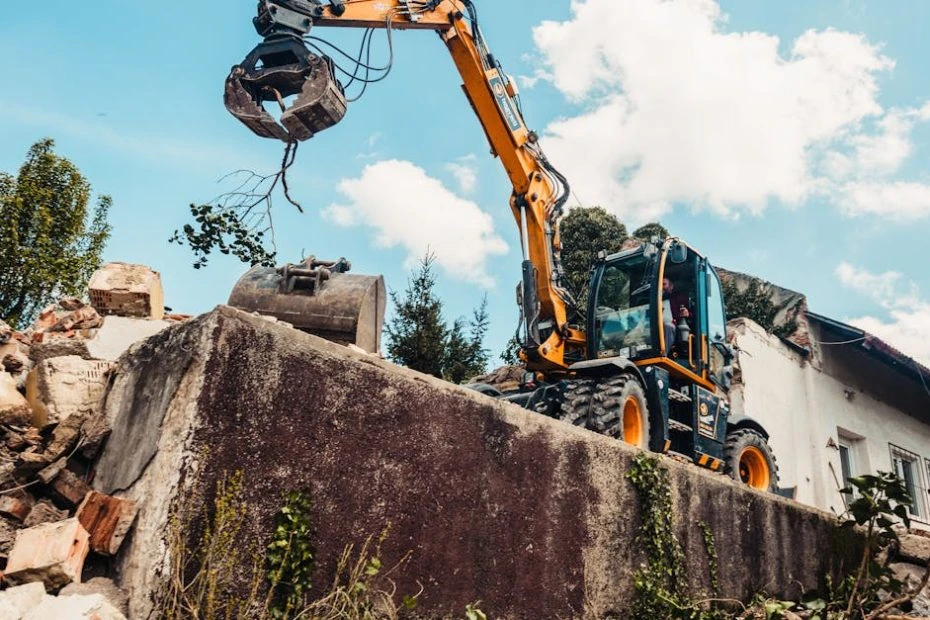

Before any building can rise from the ground, the land underneath it has to be ready. That means removing trees, tearing out old structures, hauling away debris, and reshaping the terrain until it sits at just the right levels. This preparation phase might not look glamorous, but it determines whether everything built afterwards stands firm or starts cracking within a few years.
What Goes Into Building Site Clearance
Clearing a building site is not just about bringing in a bulldozer and pushing everything aside. There is a proper sequence to follow, and skipping steps creates expensive problems down the line. The process begins with detailed surveys. Underground utilities need locating before anyone starts digging. Hazardous materials like asbestos require identification and careful removal by licensed teams. Protected trees or heritage features may need working around rather than through.
Vegetation comes off first. Grass, shrubs, and trees get stripped away so the underlying ground is exposed. Then any existing structures come down, piece by piece where salvage makes sense or in larger sections when speed matters. Timber, metals, and reusable building components get separated out during this phase. Selling salvaged materials brings in revenue that chips away at the overall clearance bill, which is something project managers appreciate when budgets are tight.
Reshaping the Land with Earthworks
Once the site is stripped bare, the real transformation begins. Bulk earthworks contractors move in with heavy machinery to reshape the terrain. High spots get cut down, low areas get filled in, and the entire site gets graded to match the engineering drawings. Drainage patterns also get established during this phase, directing water away from where future buildings and pavements will sit.
The scale of this work varies wildly from project to project. A residential block might need a few hundred cubic metres of soil shifted around. A new industrial park or shopping centre could involve millions of cubic metres of cut and fill material moving across the site over several months. Getting the balance right between cut and fill volumes matters because importing or exporting soil adds significant cost.
Choosing the Right Machines for the Job
Different tasks call for different equipment. Small excavators handle tight spaces and detailed grading work. Larger earth movers like scrapers and articulated dump trucks handle bulk material movement across bigger distances. Knowing which machine fits which task separates efficient operations from wasteful ones.
People looking for earth movers near me should think carefully about matching machine size to the job at hand. Bringing in equipment that is too large burns money on capacity that never gets used. Going too small drags the timeline out and pushes labour costs through the roof. A good contractor assesses the site, the volumes involved, and the project schedule before recommending a fleet mix.
Operator skill makes a noticeable difference too. An experienced operator moves more dirt per hour, burns less fuel doing it, and produces surfaces that need less rework. The lowest quote sometimes comes attached to less experienced crews, and the time they lose shows up in the final accounting.
Finding Reliable Contractors
Searching for earth moving contractors near me returns plenty of results in most regions, but the real challenge is sorting the capable operators from those who overpromise and underdeliver. Price alone tells a limited story. A contractor quoting twenty percent below everyone else might be cutting corners on compaction testing, skipping environmental controls, or running poorly maintained machines that break down mid-project.
Reputable earthmoving companies carry proper insurance, maintain documented safety systems, and can point to completed projects of similar size and complexity. Their references hold up under questioning. Their equipment looks maintained rather than neglected. These indicators matter more than a flashy website or the boldest claims on a brochure.
When comparing contractors, pay attention to fleet condition and maintenance practices. Machines that break down during earthworks do not just cost repair money. They stall the entire project timeline because trades waiting behind the earthworks phase cannot start until the ground is ready.
How Cut and Fill Operations Work
Most development sites are not naturally flat. Engineers design a cut and fill plan that moves material from the high points to the low points, creating level building platforms where structures and roads will eventually go. The goal is to balance volumes so that minimal material needs to be brought in from offsite or carted away to a disposal facility.
Cut operations slice through ridges and high ground using excavators and scrapers. That excavated material becomes the fill for low-lying sections of the site. Careful planning of haul routes keeps trucks and scrapers cycling efficiently between the cut zones and fill zones, minimising idle time and fuel waste.
Fill placement follows strict rules. Material goes down in layers, each one compacted to a specified density before the next layer goes on top. Testing crews check compaction at regular intervals. If a layer fails the density test, it gets reworked until it passes. Rushing this stage is a false economy because poorly compacted fill settles over time, cracking slabs and distorting structures above.
Dealing with Different Soil Conditions
Sandy soils drain quickly but sometimes struggle to reach compaction targets. Clay soils hold water and can turn into a slippery mess after rain, halting work for days. Rock might need mechanical breaking or even blasting before it can be excavated and moved.
Experienced contractors read the ground conditions and adjust their methods accordingly. Wet weather affects clay sites far more than sandy ones, so scheduling becomes critical. Some contractors build weather contingencies into their programmes, keeping alternative work fronts available so crews can stay productive even when rain shuts down the main area.
Problem soils sometimes require treatment. Lime stabilisation improves clay by reducing its water sensitivity. Geotextile fabrics reinforce weak ground layers. These treatments cost extra but they open up sites that would otherwise be unbuildable.
Managing Water on Site
Water causes more earthworks problems than almost anything else. Rain turns freshly exposed soil into mud. Runoff carves channels across graded surfaces and dumps sediment into places it should not go. Groundwater seeping into excavations slows digging and weakens foundations.
Temporary drainage systems keep water under control during construction. Swales channel runoff away from active work areas. Sediment ponds trap soil particles before dirty water leaves the site boundary. Pumps dewater deep excavations so crews can keep working.
Permanent drainage infrastructure often gets installed during the earthworks phase as well. Storm drains collect surface water from roads and hardstand areas. Subsoil drains lower the water table beneath buildings. Getting these systems in early protects everything that gets built on top of them.
Environmental Controls That Matter
Earthworks disturb large areas of land, and without proper controls that disturbance causes real environmental harm. Sediment washing into streams and rivers damages aquatic ecosystems. Dust blowing off exposed surfaces affects air quality and draws complaints from neighbouring properties.
Erosion and sediment control plans specify what protections must be in place before ground gets broken. Silt fences along site boundaries catch sediment before it reaches waterways. Stabilised construction entrances stop mud from tracking onto public roads. When searching for earthmoving companies near me, check whether they include environmental management as part of their standard service or charge it as an extra. Dust suppression using water carts keeps airborne particles from drifting beyond the site perimeter.
Revegetating completed sections quickly reduces ongoing erosion risk. Seeding or laying turf on finished earthworks surfaces as soon as possible means less exposed ground at any given time. Progressive stabilisation like this is far more effective than trying to control erosion across a fully stripped site all at once.
Testing and Quality Records
Every layer of fill, every graded surface, and every drainage line needs verification. Soil classification tests confirm that the material being placed matches what the engineers assumed in their design. Density tests prove that compaction meets the required specifications. Survey checks verify that finished levels match the design drawings within acceptable tolerances.
All these test results get documented and filed as part of the permanent project record. They serve as proof that the work was carried out correctly, which becomes extremely valuable if cracks or settlement issues appear years later and someone needs to establish where responsibility lies.
Keeping the Programme on Track
Earthworks typically sit right at the start of a project sequence. Concrete crews, steel fixers, plumbers, and electricians are all waiting for the ground to be ready before they can begin their own work. Any delay during earthworks pushes back everything that follows, compounding costs and frustrating everyone involved.
Weather impacts earthworks more than most other construction activities, and building realistic weather allowances into the schedule from the beginning saves a lot of stress later on. Good contractors track progress daily and flag potential delays early, while options for recovery still exist. That kind of communication keeps projects running smoothly even when conditions turn difficult.
Getting the earthworks phase right pays dividends that last for the lifetime of whatever gets built on top. Solid ground preparation means stable foundations, fewer maintenance problems, and structures that perform as intended for decades to come.
































Sign in to leave a comment.