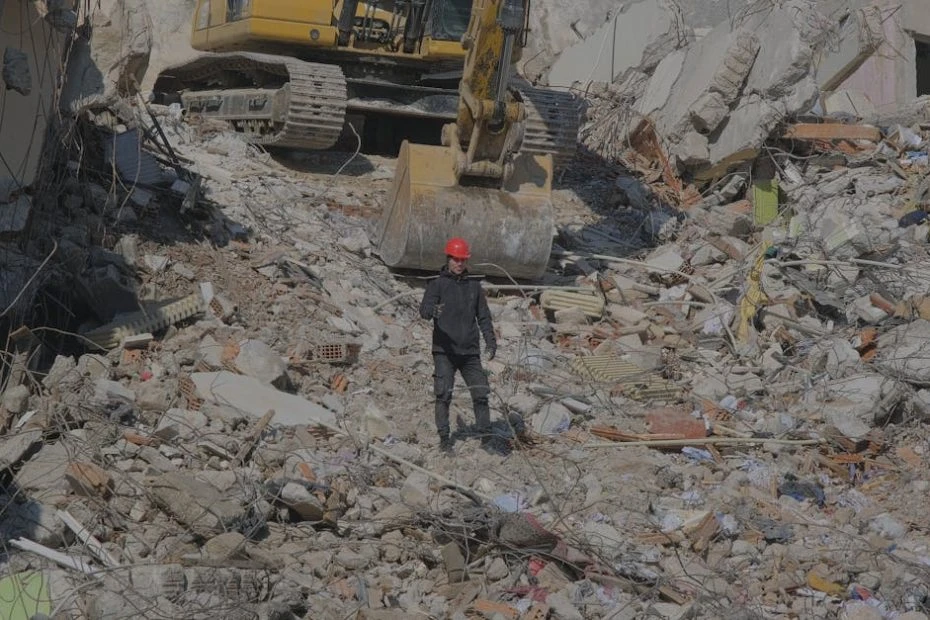

Construction projects demand heavy machinery. Excavators, loaders, cranes, and trucks handle the kind of work that no amount of manual labour can match. Most contractors rent this equipment rather than buying it outright, and for good reason. Renting makes financial sense for machines that would otherwise sit idle between jobs, collecting dust and losing value by the day.
What Plant Hire Actually Means
The term plant hire refers to renting construction equipment. It comes from the word “industrial plant,” which is just another way of saying heavy machinery. Everything from small compactors to massive excavators falls under this umbrella.
Plant hire companies maintain large fleets of equipment that contractors can rent on demand. These businesses handle all the maintenance, storage, and transport logistics. Customers get access to well-maintained machines without dealing with the hassles of ownership, like breakdowns at 2 AM or finding somewhere to park a 30-tonne crane.
Why Renting Beats Buying
Buying construction equipment ties up capital that could be working harder somewhere else. A machine purchased for a single job might sit unused for months before the next project calls for it. Depreciation ticks along whether the equipment is running or gathering cobwebs in a yard.
Searching for plant hire near me connects contractors with local equipment suppliers quickly. Renting means paying only for actual use. When the project wraps up, the equipment goes back. No storage fees, no depreciation eating into profits, and no ongoing maintenance bills to worry about.
Technology in construction equipment moves fast. Owned equipment becomes outdated while still having plenty of mechanical life left in it. Renting gives access to newer machines that burn less fuel, work more efficiently, and meet current emissions standards. That translates directly into lower running costs on site.
There is also the insurance angle. Owning a fleet means insuring a fleet, and premiums on heavy construction equipment are not cheap. Rental agreements often bundle insurance into the rate, which simplifies budgeting and reduces the administrative load on smaller contracting businesses.
Common Equipment You Can Rent
Bobcats and Compact Loaders
Bobcat hire covers compact loaders that excel in tight spaces. These versatile machines handle loading, grading, trenching, and dozens of other tasks depending on the attachment fitted. Swap from a bucket to an auger to a sweeper in minutes, and one small machine does the work of three.
Cranes for Heavy Lifting
Crane hire brings serious lifting capacity to any project. Mobile cranes position heavy loads that no other piece of equipment can manage. Steel beams, precast concrete panels, rooftop mechanical units, and bridge sections all need crane lifts to get into position safely.
Truck-Mounted Cranes
Truck and crane hire combines transport and lifting into a single package. These vehicles deliver materials to site and then place them exactly where they need to go. They work well for projects that lack the space or budget for a standalone crane sitting on site full-time.
Tipper Trucks
Tipper truck hire provides the muscle for bulk material transport. Sand, gravel, crushed stone, topsoil, and demolition rubble all move in tippers. Different truck sizes match different road conditions, load limits, and site access constraints, so picking the right one matters.
Finding Equipment in Gauteng
Contractors across Gauteng search for plant hire Johannesburg to find equipment close to their project sites. Local suppliers deliver faster and usually charge less for transport since the distances are shorter. They also tend to know local ground conditions and municipal regulations, which helps avoid surprises.
Searches for plant hire Pretoria turn up suppliers serving the capital city and surrounding areas. Coverage varies between providers. Some operate across Gauteng or even nationally, while others stick to specific corridors or regions. Checking delivery zones before signing a rental agreement saves frustration later.
Picking the Right Machine for the Job
Equipment selection starts with understanding exactly what needs doing. What material has to move? How far does it need to go? What does the site access look like? Answering these questions narrows down the options before a single phone call gets made.
Going too small with equipment is a common and costly mistake. A machine that is undersized for the task takes forever to finish. Labour costs climb while productivity drops. Schedules start to slip, and downstream trades end up delayed, which creates a ripple effect across the entire project timeline.
Going too large creates different problems. Bigger machines cost more per hour, and they might not even fit the site. Access roads, turning circles, overhead power lines, and ground bearing capacity all limit what can physically get onto a work area. A crane that cannot reach the lift zone from the only available setup position is an expensive paperweight.
Working with Rental Suppliers
Good rental suppliers do more than just drop off a machine. They advise on equipment selection, deliver on time, and provide support throughout the rental period. Their field staff have seen thousands of jobs and can spot potential problems before they become expensive ones.
Delivery and pickup logistics deserve attention during the quoting stage. Equipment arriving late holds up the entire job. Equipment sitting idle because the supplier cannot pick it up fast enough wastes rental days that still show up on the invoice. Professional suppliers coordinate logistics tightly and communicate proactively about timing.
Operators and Licensing
Some rental equipment comes with trained operators included in the rate, and some does not. Skilled operators cost extra but often prove worthwhile because they know the machines inside out. They get more done per hour and cause less wear and tear on the equipment, which means fewer breakdowns mid-job.
Self-drive rentals need competent operators on the customer side. Operating heavy construction equipment takes proper training and real experience. Untrained operators damage machines, waste time, and create serious safety risks on site. The savings from skipping the operator fee disappear quickly when a hydraulic line gets blown or a bucket tooth gets ripped off.
Licensing requirements vary by machine type and by province. Crane operators need specific certifications that take time to obtain. Other equipment may need competency tickets or minimum logged hours before someone can legally operate them on a construction site.
Understanding Costs and Getting Accurate Quotes
Rental rates depend on the type of equipment, its size, and current market demand. Peak construction season pushes prices up. Longer rental periods usually attract better daily rates than short-term hires, so planning ahead and booking in advance pays off.
Quotes should spell out exactly what the price includes. Delivery fees, pickup charges, fuel, insurance, and any damage waivers all affect the total cost. Comparing quotes from different suppliers only works when each quote covers the same line items. A cheap daily rate means nothing if delivery costs double the bill.
Damage waivers reduce financial risk if something goes wrong on site. Understanding what the waiver actually covers, and what it excludes, helps decide whether the extra cost is justified for a particular job.
Getting the Most Out of Every Rental
Planning equipment needs before the project kicks off saves money and stress. Map out what is needed, when it arrives, and how long it stays. Book well in advance during busy periods because popular machines go fast and last-minute bookings come with premium pricing.
Coordinate equipment deliveries with actual site readiness. A machine arriving to an unprepared site just sits there burning rental days. Having access routes cleared, work areas graded, and support materials on hand means the equipment starts earning its keep from the moment it rolls off the truck.
Return equipment the moment the task is done. Holding machines longer than necessary wastes money. But returning too early and then needing the same machine again costs even more because of additional mobilisation and demobilisation charges. Getting the timing right takes experience and good project planning.
Building long-term relationships with reliable rental suppliers pays off over time. Regular customers get priority when machines are scarce, better pricing, and faster response times. Pay invoices on time, communicate upcoming needs early, and treat rented equipment with respect. That approach turns a simple transaction into a partnership that benefits every project down the line.



























Sign in to leave a comment.