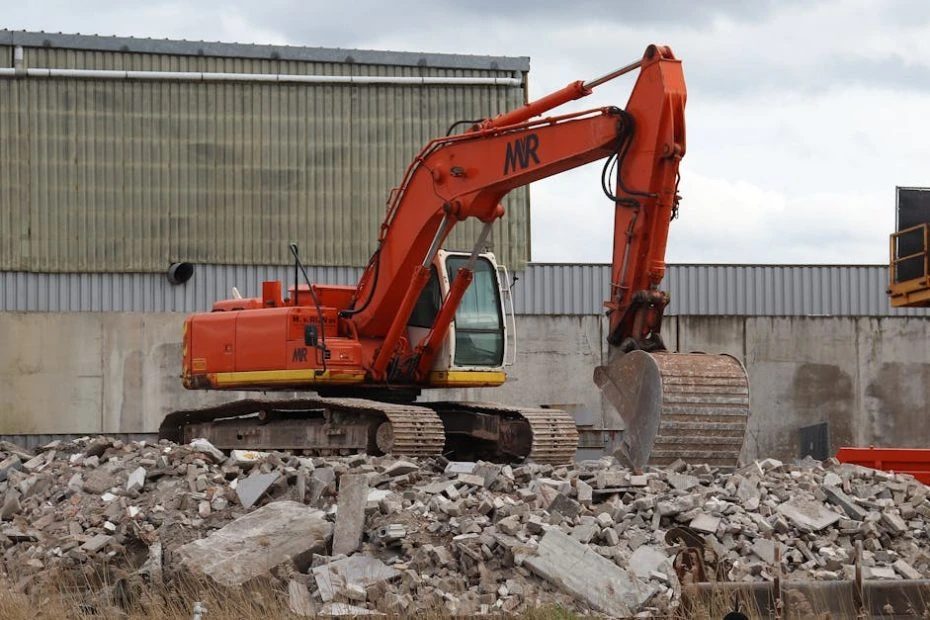

Construction and demolition projects produce huge volumes of material that needs breaking down and sorting. Concrete, rock, brick, and other hard substances must be crushed and separated before they can be reused or sent for disposal. The right equipment turns a slow, expensive process into something manageable.
Why Rent Instead of Buy
Heavy processing machines carry massive purchase prices. For most contractors, buying crushers and screeners outright makes little financial sense. The machines sit idle between jobs, taking up yard space and losing value month after month. Maintenance bills stack up even when nothing is running.
Crusher and screener hire gives contractors access to professional-grade machines without the burden of ownership. Payment covers only the time the equipment is in use. Once the project wraps up, the machines go back to the provider. No storage worries, no depreciation chewing into margins.
Types of Crushing and Screening Machines
Different jobs call for different setups. A crushing plant hire arrangement can include jaw crushers, impact crushers, or cone crushers depending on what material is being processed and the output size required.
Jaw crushers handle primary crushing of large concrete chunks and rocks. They accept pieces up to a metre across and reduce them to smaller, workable sizes. Impact crushers take things further, producing more consistent and uniform output that meets tighter specifications.
Screening Equipment
Screening plant hire provides machines that sort crushed material into different size grades. Vibrating screens separate fine material from coarse, so each grade can be directed to the right use. Fines might become backfill, mid-range grades work as road base, and larger pieces get recycled into structural aggregate.
The Case for Mobile Equipment
Most modern projects use mobile machines rather than fixed installations. A mobile crushing plant hire setup brings the processing directly to where the material sits, cutting out the need to truck everything off site.
Transport savings alone can make mobile equipment worth the cost. Moving raw material to a fixed plant and then carting processed product back again adds expense at every stage. On-site processing removes most of that double handling.
Mobile screener hire follows the same logic. The screening equipment arrives at the job site, processes material on the spot, and leaves when the work is done. Setup is faster than most people think — experienced crews can have things running within a few hours.
Matching Equipment to the Job
A small demolition project might only need a compact crusher and a basic screen. A large civil works contract could call for a full crushing and screening plant hire package with multiple machines running in sequence.
The rental provider should look at project requirements before recommending any equipment. They assess material type, total volume, required output sizes, and available timeframes. Getting this matching right avoids costly problems mid-project.
Undersized equipment drags timelines out. Oversized gear wastes money on capacity that never gets used. Neither outcome helps the budget.
What Rentals Cost
Screening plant rental pricing depends on equipment size, rental length, and what services are bundled in. Short-term hires usually cost more per day than longer bookings. Some providers include delivery and operator training in the price, while others charge for these separately.
Insurance requirements are worth sorting out early. The rental agreement should clearly state who covers what. Damage waivers and liability provisions protect both the contractor and the provider.
Fuel consumption is another factor. Crushing and screening machines burn through significant amounts of diesel. Some quotes include fuel; others expect the customer to supply it.
Preparing the Site
Processing equipment needs a proper work area. The ground must be level and firm enough to support heavy machines. Access routes should allow delivery vehicles to bring equipment in and trucks to haul processed material away without bottlenecks.
Dust and noise controls may be required depending on the location. Sites near residential areas face stricter rules than remote locations. Water sprays keep dust levels down during crushing, and noise barriers or limited operating hours might be needed close to occupied buildings.
Rental providers can advise on setup based on their experience with similar projects. They know what works and what causes trouble.
Choosing the Right Rental Provider
A good mobile screening plant hire experience begins with clear communication. The provider needs to know exactly what material is being processed, what end products are required, and what the project timeline looks like. Any site constraints should be shared upfront.
Ask about equipment age and how well the machines have been maintained. Well-kept equipment breaks down less often. A breakdown during a project means costly delays and can throw off the entire schedule.
Check what support is included. Is there a phone line for troubleshooting? How fast can the provider respond if something goes wrong? Knowing the answers ahead of time reduces risk.
Testing Materials First
Before locking in a rental, it helps to get sample material tested. The hardness and composition of concrete, rock, or rubble affects how it processes. Some materials crush with ease while others are extremely hard and wear through equipment components faster.
Testing also flags any contamination that might be present. Contaminated material needs special handling, and that should be identified before any work starts.
Environmental Benefits
Processing material on site cuts down truck movements. Fewer trucks on the road means less road wear, less traffic disruption, and lower carbon output. These benefits can strengthen permit applications and improve relationships with nearby communities.
Recycling demolition waste into usable aggregate also reduces demand for quarried stone. Many project specifications now allow or even require recycled aggregate content. On-site processing makes it straightforward to meet those requirements.
Dust and noise monitoring should continue throughout the project. Regular checks confirm that controls are doing their job, and keeping records of environmental performance may be needed for compliance purposes.
Planning the Processing Phase
Successful projects schedule crushing and screening activities with care. Equipment delivery should line up with when material becomes available. Haul routes and stockpile areas need to be arranged before processing kicks off.
A backup plan matters when things shift. Weather delays, machine issues, or schedule changes turn up on most projects. Flexible rental terms allow adjustments without blowing the budget.
The processing stage often sits on the critical path, meaning other trades depend on it finishing on time. Building a buffer into the schedule gives some protection against the unexpected. Contractors who rent crushing and screening equipment on a regular basis tend to build strong relationships with providers, and those relationships pay off through better service, priority bookings, and sharper pricing down the line.























Sign in to leave a comment.