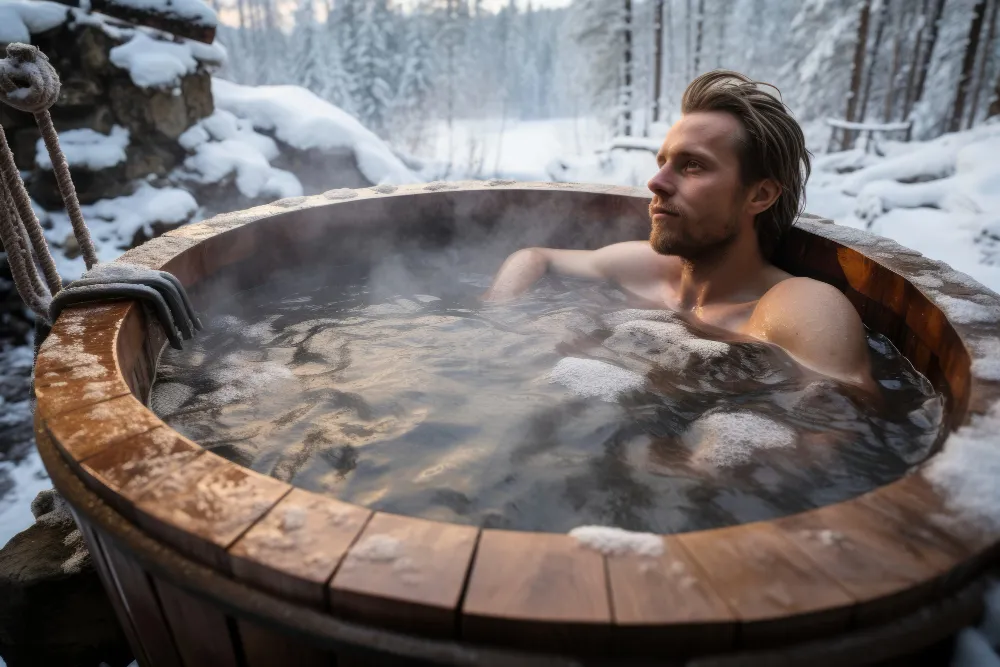

Cold plunge therapy has become a popular wellness practice among athletes, fitness enthusiasts, and individuals seeking natural ways to support recovery, boost energy, and build mental resilience. While stepping into cold water may seem intimidating at first, a structured approach can help beginners ease into the experience safely and confidently.
Whether you're exploring cold water immersion for recovery, wellness, or personal growth, this beginner-friendly guide will walk you through everything you need to know to get started. If you're considering a dedicated setup such as the HEALiX Chill Cold Plunge Tub, understanding the fundamentals of cold plunge therapy can help you make the most of every session.
What Is Cold Plunge Therapy?
Cold plunge therapy involves immersing the body in cold water, typically ranging between 39°F and 59°F (4°C to 15°C), for a short period. The sudden exposure to cold temperatures triggers a variety of physiological responses, including increased alertness, blood vessel constriction, and activation of the body's natural recovery mechanisms.
Many people use cold plunge therapy to support post-workout recovery, improve focus, and challenge themselves mentally through controlled exposure to discomfort.
Benefits of Cold Plunge Therapy
Before getting started, it's helpful to understand why so many people incorporate cold plunges into their wellness routines.
Supports Recovery
Cold water immersion is commonly used after physical activity to help manage muscle soreness and support recovery.
Increases Alertness
The body's immediate response to cold exposure often creates a feeling of heightened awareness and energy.
Builds Mental Resilience
Regular cold exposure encourages individuals to stay calm and focused in challenging situations, helping develop mental toughness over time.
Supports Circulation
Cold temperatures cause blood vessels to constrict temporarily, followed by dilation during the warming process, which may support healthy circulation.
Encourages Consistent Wellness Habits
Many users find that incorporating cold plunge therapy into their daily or weekly routine helps reinforce other healthy lifestyle practices.
Step 1: Understand the Safety Basics
Before beginning cold plunge therapy, it's important to understand the basic safety guidelines.
Cold plunges are generally safe for healthy adults when used responsibly. However, individuals with cardiovascular conditions, circulation disorders, severe respiratory conditions, or other underlying health concerns should consult a healthcare professional before starting.
Never force yourself to stay in the water if you experience severe discomfort, dizziness, chest pain, or difficulty breathing.
Step 2: Start with a Comfortable Temperature
One of the most common mistakes beginners make is starting with water that is too cold.
You do not need to begin at the lowest temperatures to experience the benefits of cold exposure.
A beginner-friendly temperature range is often between:
- 50°F to 59°F (10°C to 15°C)
Starting at a moderate temperature allows your body to adapt gradually while helping you build confidence.
Step 3: Prepare Yourself Mentally
The anticipation of entering cold water is often more difficult than the experience itself.
Before stepping into the plunge:
- Take several slow, deep breaths.
- Focus on remaining calm.
- Avoid rushing into the water.
- Set a realistic goal for your session.
Mental preparation can significantly improve your overall experience.
Step 4: Enter the Water Slowly
Instead of jumping directly into the plunge, enter gradually.
Allow your body time to adjust to the temperature by slowly lowering yourself into the water.
The first few moments may trigger:
- Rapid breathing
- Increased heart rate
- Intense sensations of cold
These responses are normal and typically decrease as your body adapts.
Step 5: Focus on Controlled Breathing
Breathing control is one of the most important skills for successful cold plunge therapy.
Try the following approach:
- Inhale slowly through your nose.
- Exhale slowly through your mouth.
- Keep your breathing steady and controlled.
- Avoid holding your breath.
Maintaining calm breathing can help reduce the initial shock response and improve comfort throughout the session.
Step 6: Keep Your First Session Short
When starting out, less is often more.
A good beginner target is:
- 1 to 3 minutes per session
There is no need to push yourself beyond your comfort level. Consistency is more important than duration during the early stages.
As your tolerance develops, you can gradually increase your time in the water.
Step 7: Exit the Water Carefully
After completing your session, exit the plunge slowly.
Standing up too quickly may cause temporary dizziness or lightheadedness.
Take a moment to regain your balance before walking away from the tub.
Step 8: Warm Up Naturally
After a cold plunge, your body begins the process of restoring its normal temperature.
Healthy ways to warm up include:
- Light walking
- Gentle stretching
- Wearing warm, dry clothing
- Drinking water
Avoid using extremely hot showers immediately after your session, as gradual warming is generally more comfortable for the body.
Step 9: Track Your Progress
Keeping a simple journal can help you monitor your cold plunge journey.
Consider recording:
- Water temperature
- Session duration
- How you felt before the plunge
- How you felt afterward
Tracking your experiences can help you identify patterns and determine what works best for your goals.
Step 10: Build a Consistent Routine
Many beginners focus too heavily on colder temperatures or longer sessions.
A better approach is to establish consistency.
You might begin with:
- 2 to 3 sessions per week
- Short durations
- Moderate temperatures
As your comfort and confidence increase, you can gradually adjust your routine based on your personal goals and preferences.
Common Beginner Mistakes to Avoid
Starting Too Cold
Extreme temperatures can make the experience unnecessarily difficult and discourage consistency.
Staying in Too Long
Longer sessions do not always provide better results. Start conservatively and progress gradually.
Ignoring Your Body's Signals
Cold plunge therapy should be challenging but manageable. Always pay attention to how your body responds.
Holding Your Breath
Controlled breathing helps your body adapt more effectively to cold exposure.
Comparing Yourself to Others
Everyone adapts to cold differently. Focus on your own progress rather than trying to match someone else's routine.
Frequently Asked Questions
How often should beginners do cold plunge therapy?
Most beginners start with two to three sessions per week and adjust frequency based on comfort and recovery goals.
What is the ideal temperature for beginners?
Many newcomers find 50°F to 59°F (10°C to 15°C) to be a comfortable starting range.
How long should a beginner stay in a cold plunge?
Starting with 1 to 3 minutes is often sufficient while building tolerance.
Is it normal to feel uncomfortable during a cold plunge?
Yes. Initial discomfort is a natural part of cold exposure. Controlled breathing and gradual progression can help make the experience more manageable.
Final Thoughts
Cold plunge therapy doesn't require extreme temperatures or lengthy sessions to be effective. For beginners, the key is to start gradually, focus on proper breathing, and prioritize consistency over intensity.
By following a step-by-step approach and listening to your body's signals, you can build confidence and safely incorporate cold water immersion into your wellness routine. Over time, cold plunge therapy can become a valuable tool for supporting recovery, mental resilience, and overall well-being.
























Sign in to leave a comment.