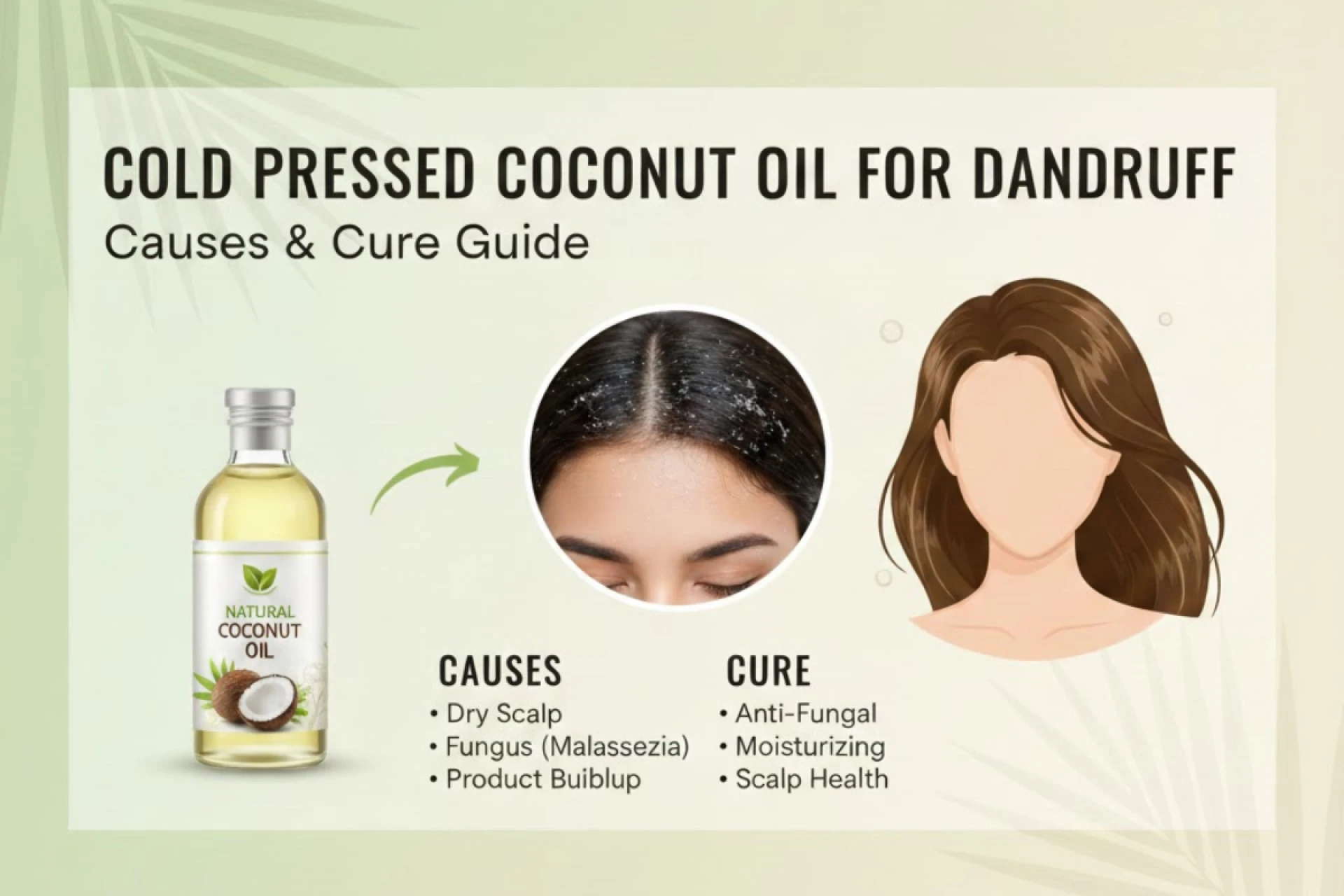

Dandruff is one of the most persistent scalp concerns. The itch, the white flakes, the dryness that follows every shampoo session — all of these interfere with comfort and confidence. While many commercial solutions offer immediate relief, the scalp often responds better to nourishment that works with its natural biology. The answer lies in nature’s simplest remedies, and cold pressed coconut oil stands at the center of this approach. Its gentle fatty-acid composition supports scalp health, soothes irritation, and restores balance where dryness or fungal activity has disrupted harmony.
Understanding the Real Causes of Dandruff
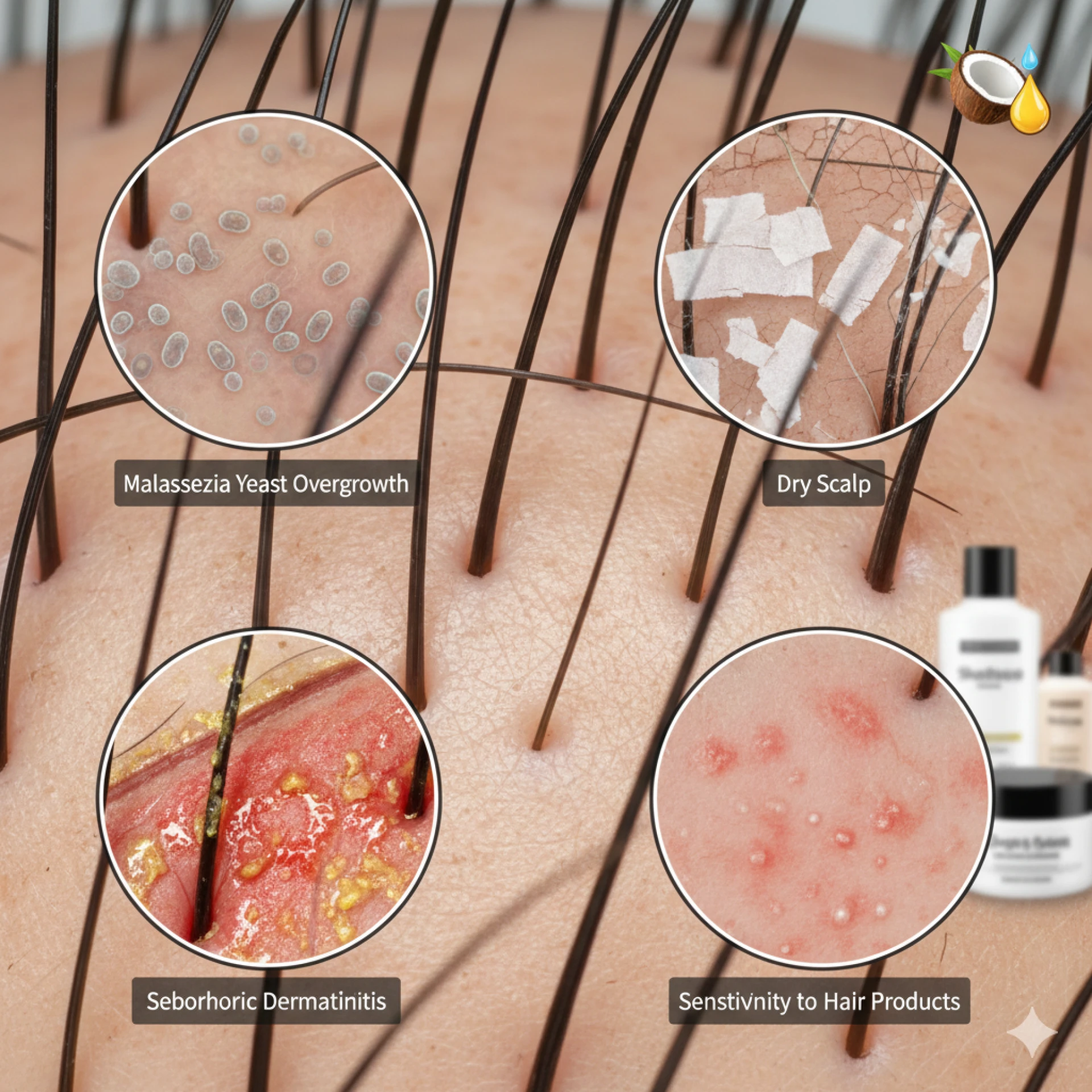
Dandruff rarely appears from a single trigger. The scalp has a protective barrier made of natural oils, microbiota, and skin cells. When the balance shifts, visible flakes appear. Several factors contribute to this disruption:
1. Malassezia Yeast Overgrowth
A yeast species known as Malassezia feeds on scalp sebum. When its population rises, inflammation begins, resulting in itching and flakes. This yeast thrives on certain lipids but is sensitive to others, which is why coconut oil helps calm the reaction.
2. Dry Scalp
Low hydration leads to accelerated shedding of dead skin layers. Air-conditioned environments, harsh shampoos, and frequent hot water washing worsen dryness. The skin attempts to protect itself, forming flakes as a defense.
3. Seborrheic Dermatitis
Dandruff becomes more intense when redness, patches, and scaling appear along hairlines and behind the ears. This is not mere dryness, but irritation of oil glands and skin.
4. Sensitivity to Hair Products
Some ingredients in shampoos, styling gels, or color treatments irritate the scalp. Even mild reactions may trigger peeling, itch, and discomfort.
Understanding which category your scalp falls into helps you respond more effectively. Supporting the barrier, reducing inflammation, and controlling yeast proliferation are primary goals — all areas where cold pressed coconut oil shines.
Why Cold Pressed Coconut Oil Is Different
Oil extraction influences chemical integrity. Cold-pressed extraction keeps nutrients intact by avoiding high temperatures and solvents. The result is a pure, nutrient-dense oil with a rich profile of saturated fats, vitamins, and active compounds.
Its key bioactive properties include:
- Lauric Acid: A medium-chain fatty acid known for antiviral and antifungal effects. It disrupts the cell structure of harmful microbes that contribute to dandruff.
- Capric Acid: Helps weaken bacterial biofilms and supports healing.
- Vitamin E: A natural antioxidant that assists in maintaining scalp tissue.
Cold pressed coconut oil penetrates deeper into hair and skin because of its fatty acid structure. Instead of sitting on top, it integrates into the lipid layer, supporting hydration and restoring comfort.
How It Works Against Dandruff
Antifungal Action
Malassezia thrives on conventional scalp oils but breaks down when exposed to lauric acid. Coconut oil interferes with the yeast’s ability to multiply, reducing the inflammatory cycle that leads to itching.
Hydration Repair
The scalp barrier loses moisture easily when damaged. Coconut oil traps hydration by strengthening the lipid matrix. That restored moisture prevents excessive shedding, producing less visible flakes.
Soothing Irritation
Scalp inflammation is often the source of rawness and burning sensations. The oil’s fatty acids calm affected tissues and soften scaly patches.
Supporting Scalp Microbiome
Balanced microorganisms protect skin health. Pure coconut oil maintains equilibrium, preventing harmful organisms from overpowering beneficial ones.
How to Apply Cold Pressed Coconut Oil for Dandruff Relief
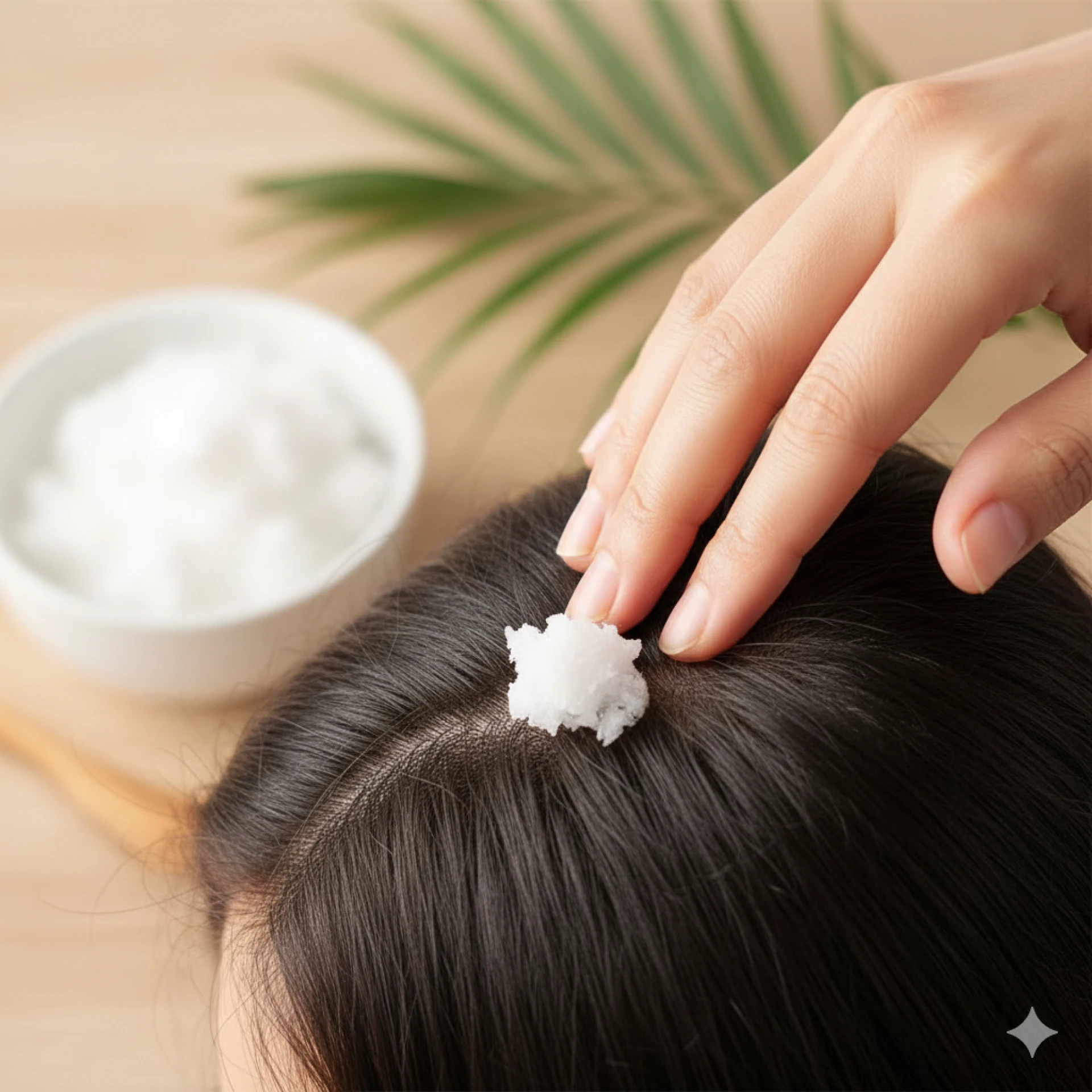
The Overnight Method
Massage 1–2 teaspoons of oil into the scalp using circular motions. Allow it to absorb for several hours or overnight. Washing off the next morning with a gentle shampoo provides visible softness and reduced flaking.
The Pre-Shampoo Treatment
Apply the oil 30–45 minutes before showering. This protects the scalp from harsh surfactants and helps retain moisture after cleansing.
The Warm Oil Approach
Warm the oil slightly by placing the container in a bowl of hot water. Warmth improves absorption and relaxes scalp tension. Avoid heating directly, as high temperatures degrade nutrients.
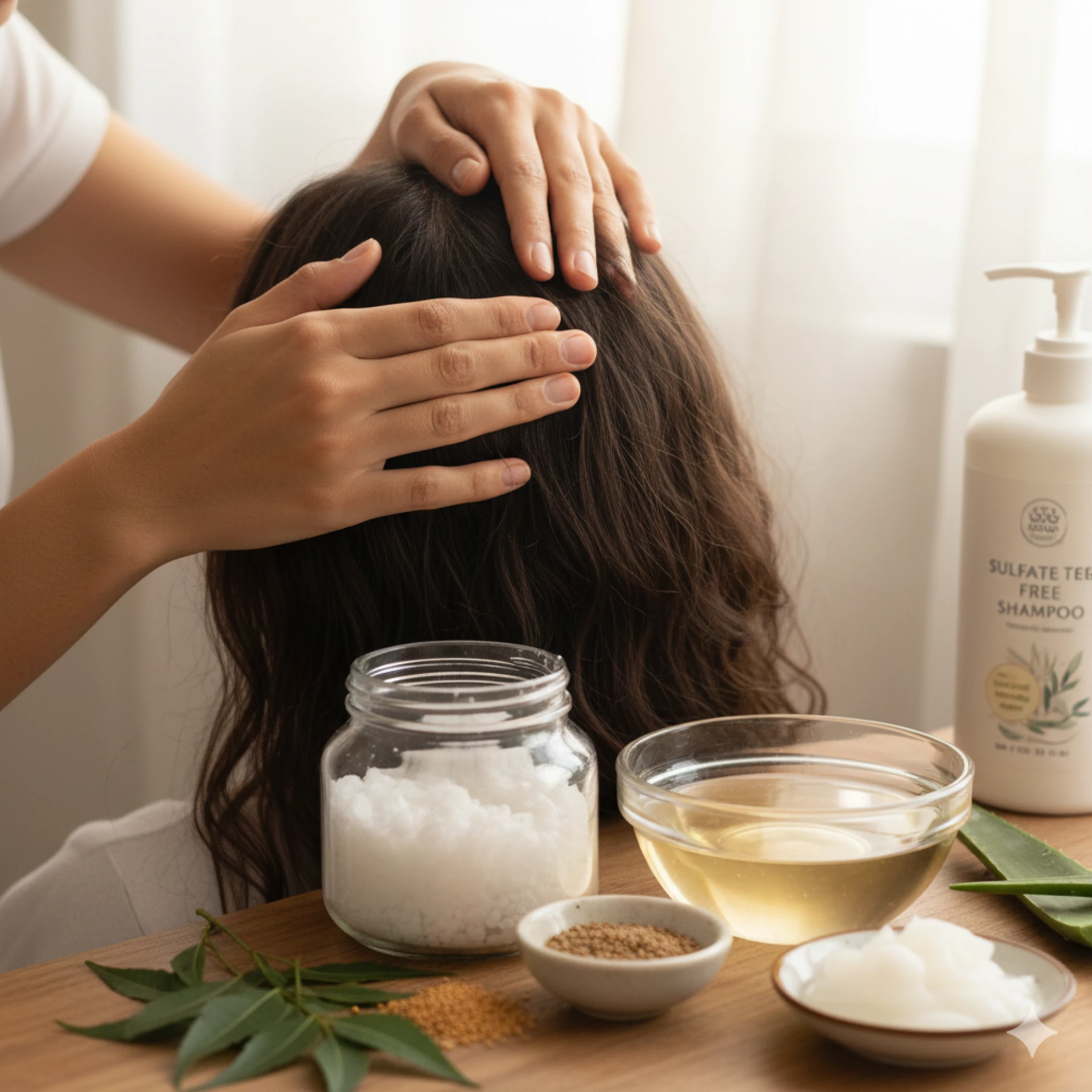
Scalp Mask with Natural Additions
Some people blend coconut oil with:
- Aloe vera gel for calming sensitivity
- Fenugreek extract for hydration
- Neem powder for boosted antifungal action
These additions support scalp biology without harsh chemicals.
Who Benefits Most from This Remedy
Cold pressed coconut oil serves as an ideal companion for:
- Individuals with mild to moderate dandruff
- Dry, itchy scalp conditions
- Sensitivity to commercial anti-dandruff shampoos
- Coarse or curly hair prone to moisture loss
- Those preferring natural care routines
Users with extremely oily scalp or advanced seborrheic dermatitis may respond slower but still gain relief through gradual application schedules.
How Frequently to Use It
Consistency creates progress. The ideal rhythm:
- 2–3 times per week for persistent dandruff
- Once weekly for maintenance and prevention
- Every alternate night during seasonal flare-ups
Gentle washing that avoids stripping natural oils enhances benefits. Conditioning ends at the scalp rather than the hairline to prevent buildup.
Signs the Scalp Is Improving
Positive shifts appear in phases:
- Flakes reduce in size and frequency
- Itching gradually fades
- Scalp redness softens
- Hair roots feel less tight
- The scalp retains moisture longer between washes
These improvements indicate restored balance rather than suppression of symptoms.
Choosing Real Cold Pressed Coconut Oil
Labels matter. Look for:
- Cold-pressed extraction
- Unrefined or virgin
- Single ingredient
- Stored in glass or food-grade metal
- No artificial fragrance
Fragrance-heavy oils often contain additives that interfere with scalp flora. A light, natural coconut aroma is a sign of purity.
Precautions and Sensitivities
New users should perform a patch test behind the ear or at the nape. Mild tingling is normal in inflamed areas, but burning signals sensitivity. Avoid applying on broken skin or wounds. Pairing coconut oil with balanced diet and gentle hair hygiene supports longevity of results.
Conclusion
Cold pressed coconut oil brings relief to scalp discomfort by addressing root causes: moisture deficiency, microbial imbalance, and irritation. Its natural fatty acids restore hydration and calm inflammation, making it a practical, gentle, and time-tested method for managing dandruff. Those who practice steady application witness healthier scalp texture, less shedding, and smoother hair roots.


























Sign in to leave a comment.