

Cold water therapy has emerged as a popular natural method for enhancing health, recovery, and overall vitality. This practice involves exposing the body to cold water through immersion, showers, or other techniques, and it is widely celebrated for its numerous physiological and psychological benefits. The following article explores the science and advantages of cold water therapy, explaining how it can support recovery, increase energy levels, and strengthen the immune system in a natural and effective way.
What is Cold Water Therapy?
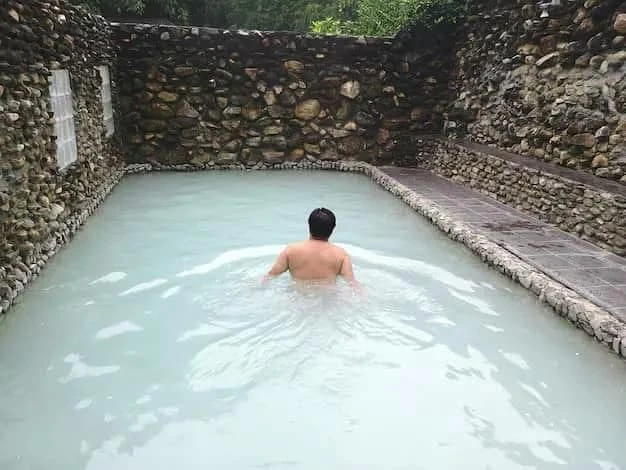
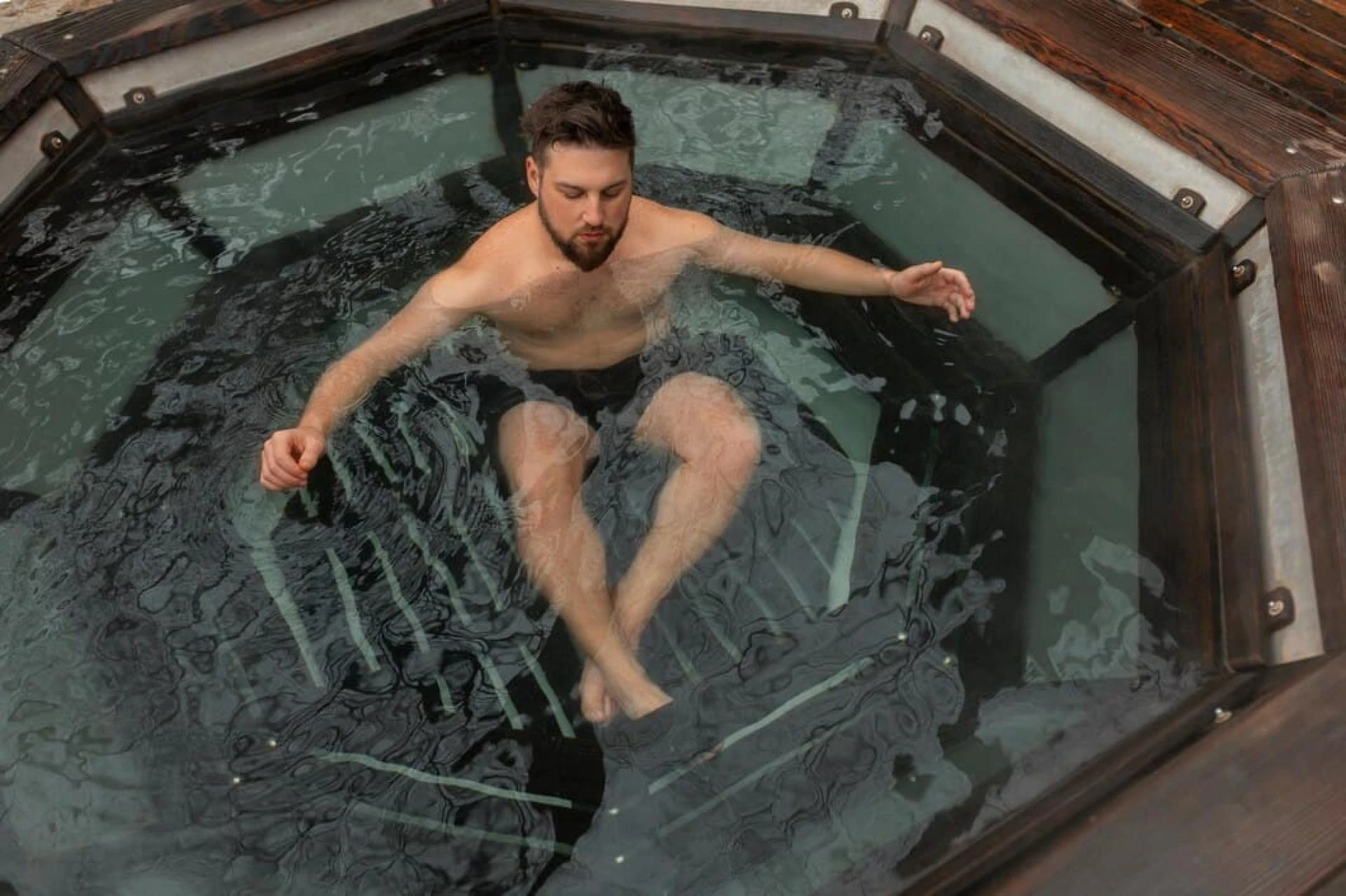
Cold water therapy refers to the intentional exposure of the body to cold water, typically ranging from 50 to 59 degrees Fahrenheit, though temperatures can vary depending on the method and individual tolerance. Common forms include cold showers, ice baths, cold plunges, and even swimming in cold natural bodies of water. This practice has been used for centuries across different cultures, often linked to healing, revitalization, and spiritual purification.
How Cold Water Therapy Boosts Physical Recovery
Accelerating Muscle Recovery
Cold water therapy is particularly popular among athletes and fitness enthusiasts for its ability to aid muscle recovery after intense exercise. When the body is immersed in cold water, blood vessels constrict, reducing blood flow to the muscles. Upon exiting the cold water, the vessels dilate, promoting a surge of fresh blood rich in oxygen and nutrients to muscle tissues. This process helps flush out metabolic waste products such as lactic acid, which can cause soreness and fatigue.
Reducing Inflammation and Swelling
Inflammation is a natural response to injury or overuse, but excessive inflammation can delay recovery and cause discomfort. Cold water therapy helps reduce inflammation by numbing nerve endings and constricting blood vessels, which decreases swelling and pain. This anti-inflammatory effect makes cold water therapy an effective method for managing acute injuries and chronic inflammatory conditions.
Easing Muscle Tension and Fatigue
Exposure to cold water also has a calming effect on muscles, reducing tension and spasms. The cooling sensation helps relax muscle fibers, which can improve mobility and decrease stiffness. Regular cold water therapy sessions can support faster recovery times and reduce the likelihood of injuries related to muscle tightness.
Cold Water Therapy and Increased Energy
Stimulating the Nervous System
Cold water exposure activates the sympathetic nervous system, often referred to as the fight-or-flight response. This stimulation leads to the release of adrenaline and noradrenaline, hormones that increase heart rate and alertness. As a result, individuals often experience an immediate boost in energy and mental clarity after cold water therapy.
Enhancing Circulation
The alternating constriction and dilation of blood vessels during cold water immersion improve overall circulation. Enhanced blood flow delivers oxygen and nutrients more efficiently to organs and tissues, contributing to increased vitality and endurance. Improved circulation also supports detoxification processes, helping the body eliminate toxins more effectively.
Improving Mental Focus and Mood
Cold water therapy triggers the release of endorphins, natural mood elevators, which can help reduce symptoms of depression and anxiety. This release contributes to a sense of well-being and can improve focus and motivation throughout the day. The invigorating effect of cold water exposure is often described as refreshing and revitalizing.
Strengthening the Immune System Naturally
Boosting White Blood Cell Production
Research indicates that regular cold water therapy can increase the production and activity of white blood cells, which are crucial for defending the body against infections. Cold exposure challenges the immune system in a way that promotes its strengthening and adaptation, leading to enhanced disease resistance.
Enhancing Lymphatic Flow
The lymphatic system plays a vital role in removing waste and toxins from the body while supporting immune function. Cold water therapy helps stimulate lymphatic flow by encouraging the contraction of lymph vessels, which facilitates better drainage and detoxification. This process supports the body's natural defense mechanisms.
Reducing Chronic Inflammation
Chronic inflammation can impair immune function and contribute to various health problems. By reducing inflammation, cold water therapy supports a balanced immune response and decreases the risk of immune-related diseases.
Additional Health Benefits of Cold Water Therapy
Improving Sleep Quality
Exposure to cold water has been shown to regulate the body’s circadian rhythm, promoting deeper and more restful sleep. Lowering the body’s core temperature through cold water immersion signals the body that it is time to rest, enhancing overall sleep quality.
Supporting Weight Management
Cold water therapy can increase metabolism through a process called thermogenesis, where the body burns calories to maintain its core temperature. This effect can aid in weight management by increasing calorie expenditure, particularly when combined with a healthy lifestyle.
Enhancing Skin and Hair Health
Cold water exposure tightens pores and reduces skin inflammation, which can improve complexion and reduce the appearance of blemishes. It also helps seal hair cuticles, making hair look shinier and stronger.
How to Practice Cold Water Therapy Safely
Start Gradually
For beginners, it is advisable to start with brief cold showers, gradually increasing the duration as tolerance builds. Sudden exposure to very cold water can be shocking to the body, so a slow adaptation process is important.
Listen to Your Body
Individuals should pay attention to how their body responds to cold water therapy. If there is excessive discomfort, numbness, or signs of hypothermia, the session should be ended immediately.
Combine with Warm-Up Techniques
After cold water therapy, warming up through light exercise or warm clothing can help restore comfort and maintain the benefits.
Consult a Healthcare Professional
People with certain health conditions such as cardiovascular issues or respiratory problems should seek medical advice before beginning cold water therapy.
Integrating Cold Water Therapy into a Wellness Routine
Complementary to Other Recovery Practices
Cold water therapy works well alongside stretching, massage, and proper nutrition, creating a comprehensive approach to health and recovery.
Consistency is Key
Regular sessions yield the best results. Establishing a routine with cold water therapy can maximize its physical and mental benefits over time.
Mindful Practice
Combining cold water therapy with mindfulness or breathing exercises enhances relaxation and mental resilience.
Conclusion
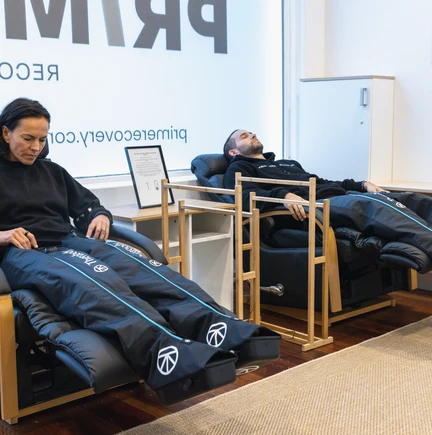
Cold water therapy offers a natural and effective way to boost recovery, increase energy, and strengthen the immune system. Its benefits extend beyond physical health, positively impacting mental clarity and emotional well-being. When practiced safely and consistently, cold water therapy can be a powerful addition to any wellness routine. For those interested in exploring the full potential of cold water therapy, Prime Recovery provides expert support and guidance to help individuals unlock these transformative health benefits.


























Sign in to leave a comment.