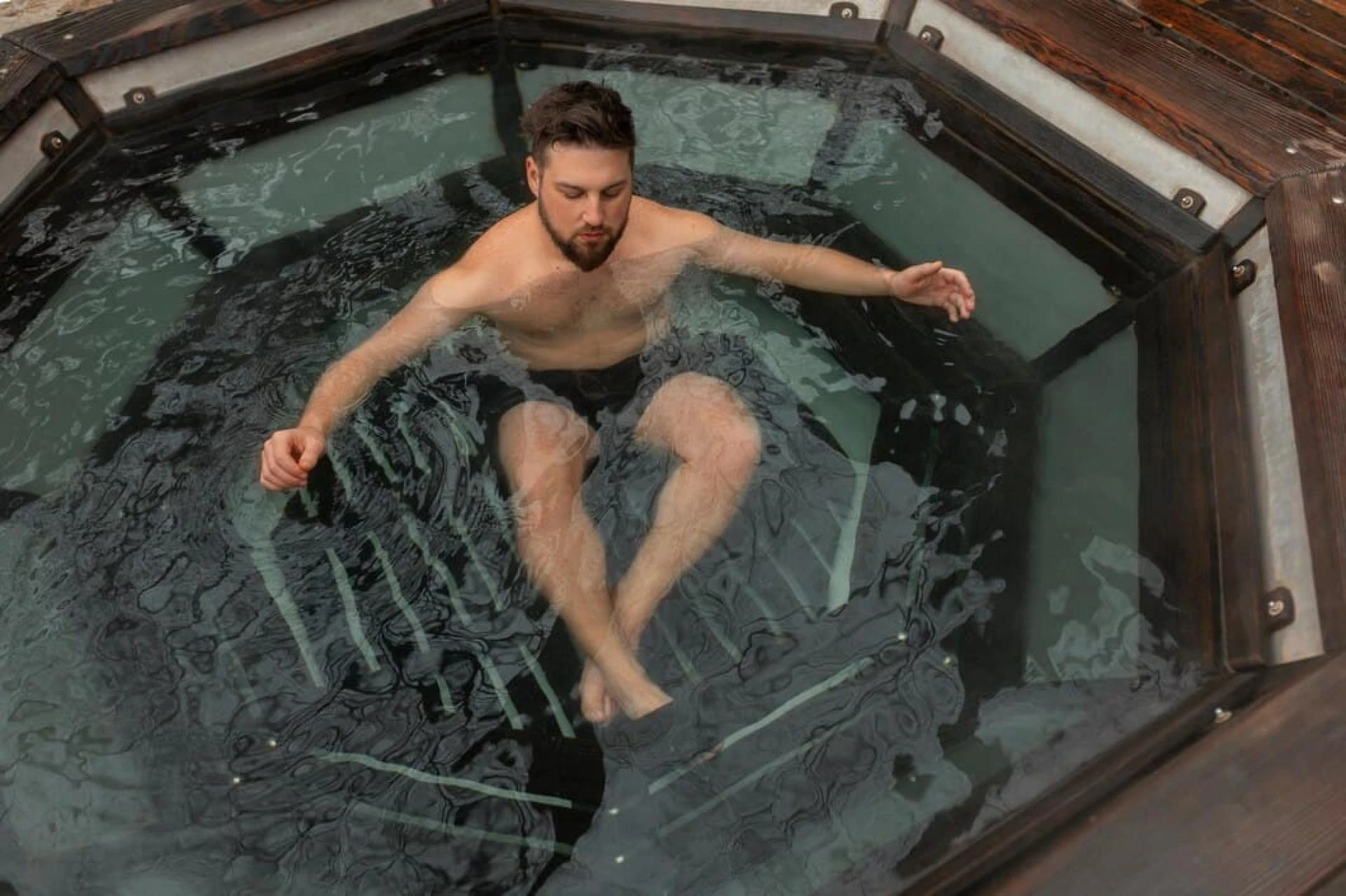

Competitive sports demand strength, speed, endurance and resilience. However these physical demands often expose athletes to fatigue, soreness and injuries. Over time the search for effective recovery methods has led many to rediscover one of the simplest and most natural therapies available. The ice bath for athletes used primarily. it has now gained worldwide popularity across sports clubs gyms and wellness communities. The practice involves immersing the body in cold water between ten to fifteen degrees Celsius to trigger a range of physical benefits. While often associated with recovery after training it also plays a significant role in sports injury prevention.
Understanding What an Ice Bath Is
An ice bath for athletes is a form of cold water immersion therapy. It involves sitting in cold water for a set amount of time often between five to fifteen minutes. The goal is to reduce inflammation lower muscle soreness and speed up the recovery process. Many athletes use this routine immediately after intense physical activity. When applied correctly it can also prevent injuries caused by overtraining muscle strain or repetitive stress.
How Cold Water Affects the Body
The Vascular Response
When the body is submerged in cold water the blood vessels constrict. This process is called vasoconstriction. It limits blood flow to the surface and directs it to vital organs. After leaving the ice bath the vessels expand again and fresh blood returns to the muscles. This response helps flush out metabolic waste that accumulates during intense activity. Lactic acid which contributes to soreness is cleared faster which gives muscles a healthier environment for recovery.
Reduction of Inflammation
Inflammation is a natural response that occurs after muscles are stressed. While some inflammation is necessary too much can damage muscle fibers and delay healing. Cold exposure helps slow down this inflammatory process. This protects soft tissues from stress and reduces the chance of chronic soreness or overuse injuries.
Muscle Fiber Protection
Intense training causes micro tears in muscle fibers. Ice baths help slow this breakdown which supports the repair phase. When used regularly this method increases muscle resilience and reduces the risk of strains or tears.
The Connection Between Ice Baths and Injury Prevention
Reducing Muscle Fatigue
Fatigue is a major contributor to injury risk. When athletes push past their limits reaction time and coordination decrease. Ice baths help muscles recover faster and stay fresh for the next training session. Better recovery means less strain on joints tendons and ligaments which greatly decreases the chances of injury.
Managing Overuse Stress
Athletes who train daily often experience overuse injuries. These happen when muscles and joints do not have adequate time to recover. Ice baths help reset the muscles and calm inflammation. This makes them a valuable tool for athletes who must perform consistently without sacrificing long term health.
Improving Joint Function
Cold exposure can reduce swelling in joint tissues. When the joints are less inflamed they move more freely and safely during physical activity. This reduces the chance of sprains particularly in areas like ankles and knees that absorb high impact.
Supporting Mental Discipline
Injury prevention is not only physical. Mental endurance also plays a role. Ice baths require focus and calm breathing. Over time they train the nervous system to adapt to stress. Athletes become mentally stronger and better at handling pressure during competitions. A healthy mind contributes to safer decision making and injury prevention.
Scientific Support for Ice Bath Therapy
Research on Recovery and Performance
Several studies show the effectiveness of cold water immersion in reducing muscle soreness. Sports science research indicates that athletes who use ice baths experience significantly less delayed onset muscle soreness after high intensity training. This allows them to return to training faster and maintain consistent progress.
Inflammation Control Evidence
Researchers found that cold therapy slows the release of inflammatory markers. It is often compared to taking anti inflammatory medication but without the side effects. Many rehabilitation programs now recommend it as part of recovery.
Enhanced Circulation
Switching between cold and warm water also improves circulation. Some trainers combine ice baths with warm showers in what is called contrast therapy. The change in temperature stimulates blood flow which has additional recovery benefits.
When Athletes Should Use Ice Baths
After High Intensity Training
Ice baths are especially useful after intense workouts involving sprinting heavy lifting or endurance intervals. These sessions strain the muscles and create metabolic waste. Cold immersion accelerates waste removal and reduces post training soreness.
During Tournament Seasons
Athletes who compete on consecutive days benefit from faster recovery. Ice baths help maintain consistent performance and reduce injury risk between events.
After Contact Sports or High Impact Training
Sports like rugby football martial arts and basketball involve impact that can stress joints and soft tissue. Ice baths can help control swelling and protect against impact injuries.
Correct Ice Bath Technique
Temperature Guidelines
The water temperature should be between ten and fifteen degrees Celsius. Anything colder may be uncomfortable for the body and increase risk of shock. Beginners can start at a warmer temperature and slowly decrease it over time.
Session Duration
The ideal time range is between eight and fifteen minutes. Staying longer does not lead to better outcomes. It can strain the body and create tension rather than relaxation.
Breathing Control
Slow breathing is essential when entering cold water. Controlled breathing helps regulate heart rate and prevent stress. It also improves circulation and overall comfort during the session.
Hydration Before and After
The body loses energy through cold exposure so hydration is important. Athletes should drink water or electrolytes before and after the ice bath to stay balanced.
Safety Guidelines for Ice Bath Use
Cold exposure is powerful and must be done safely. Individuals with heart conditions circulation disorders or uncontrolled blood pressure should consult a medical professional before trying an ice bath. The body should never be fully submerged and the neck and head should stay above the water. It is best to use ice baths under supervision especially for beginners.
Ice Baths in Modern Sports Culture
Ice baths are now found in gyms wellness centers training camps and even home recovery rooms. Professional athletes across football boxing long distance running and swimming rely on them. Coaches often encourage cold therapy as part of a full recovery plan that also includes stretching mobility work sleep and structured rest days. Ice baths are no longer seen as optional. They are a practical and science based way to stay injury free.
Improving Results With Complementary Therapies
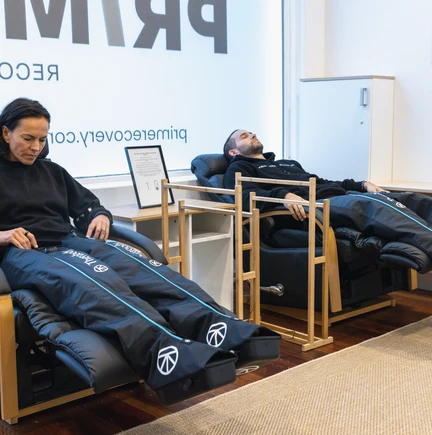
Ice baths become even more effective when combined with other recovery techniques. These include massage therapy foam rolling cryotherapy contrast therapy and compression garments. Proper nutrition and hydration also support muscle health. Together these methods help athletes build a complete injury prevention strategy.
Conclusion
An ice bath for athletes is more than a recovery trend. It is a valuable tool for anyone who wants to enhance performance prevent injuries and extend their training lifespan. Cold water immersion supports circulation reduces inflammation protects muscles and restores energy. When used regularly and correctly it helps athletes stay strong and avoid overuse injuries. It also strengthens mental resilience and discipline which are essential qualities in competitive sport. Those who want to improve performance safely can benefit from adding ice baths to their routine. For professional recovery support and access to effective wellness services Prime Recovery is committed to helping athletes and active individuals reach their performance goals.




























Sign in to leave a comment.