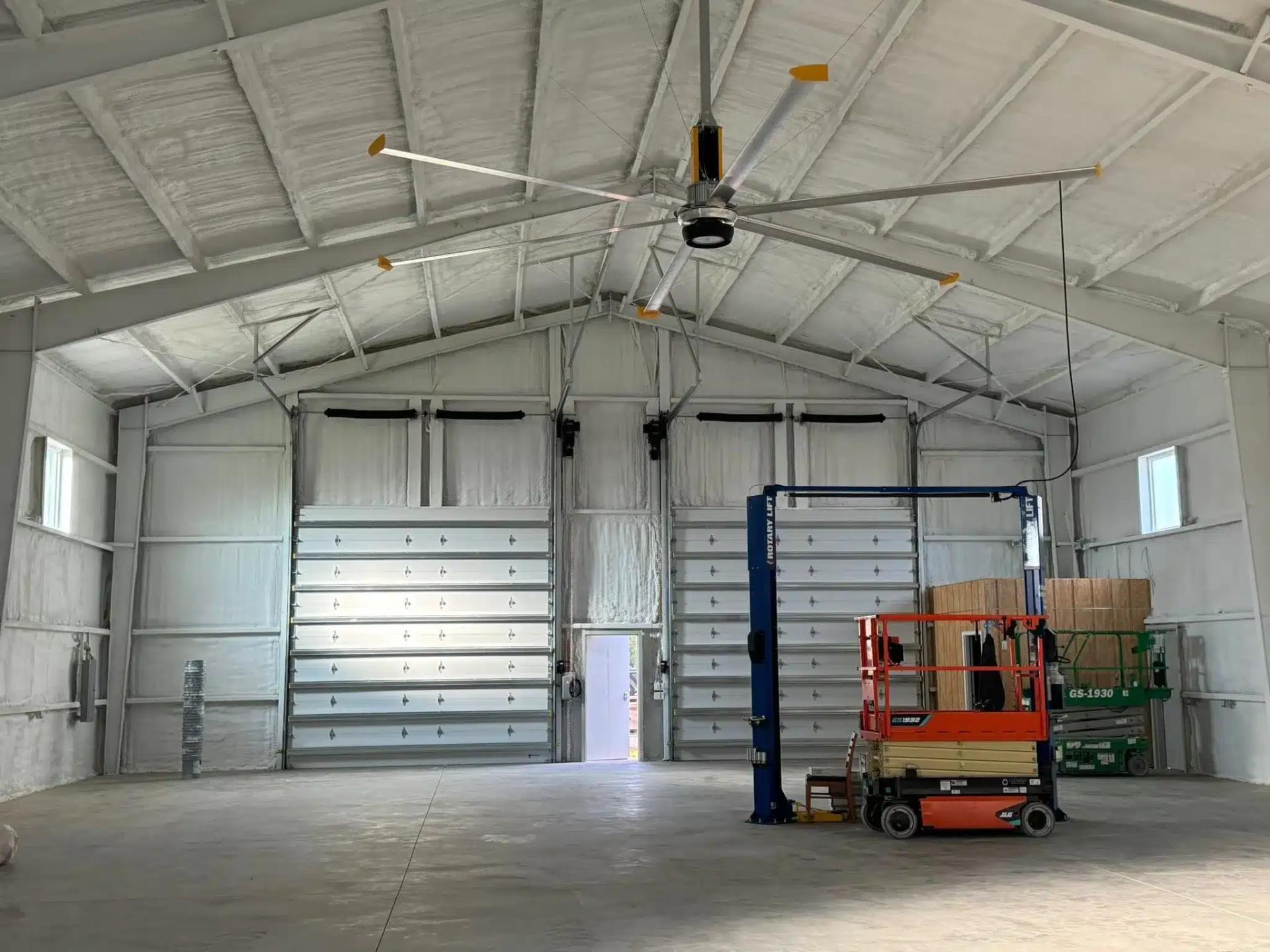

Spray foam insulation provides a unique level of comfort that improves with time, maintaining a consistent thermal barrier that does not degrade over time. Unlike traditional materials such as fiberglass or cellulose, which settle and lose effectiveness over time, spray foam adheres permanently to the building structure, creating a continuous seal against air leaks. This long-term stability results in an indoor environment where temperatures remain balanced, drafts disappear, and energy bills stay manageable regardless of external weather conditions.
Building science experts recognize that the actual value of insulation lies in its ability to perform consistently decade after decade. Industry data suggests that spray-foam-insulated homes can reduce energy consumption by up to 50% compared to homes with conventional insulation. This creates a compounding return on investment where the financial and physical comfort of the property owners actually increases as energy costs rise and the building ages.
The Science of Expanding Comfort
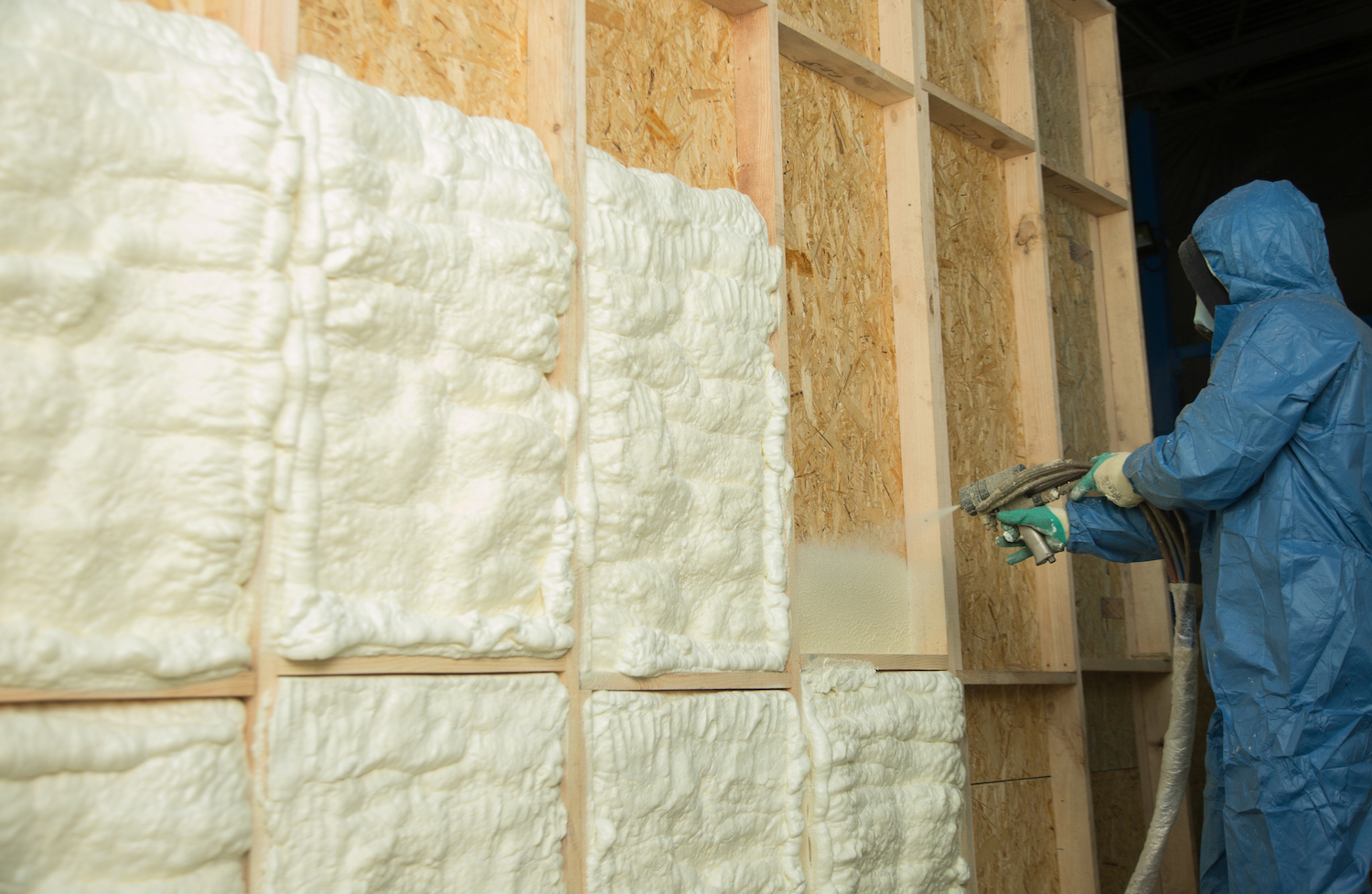
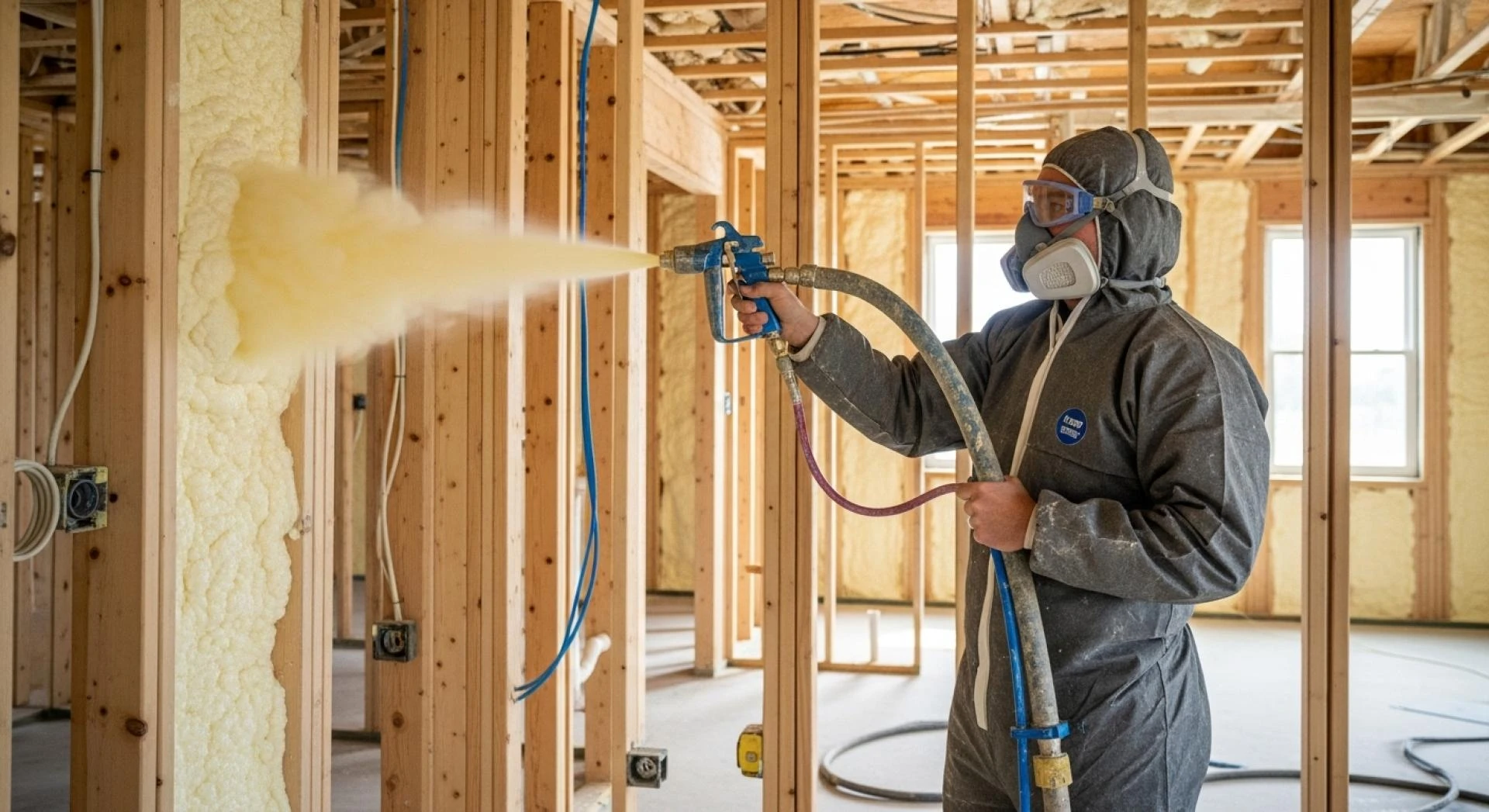
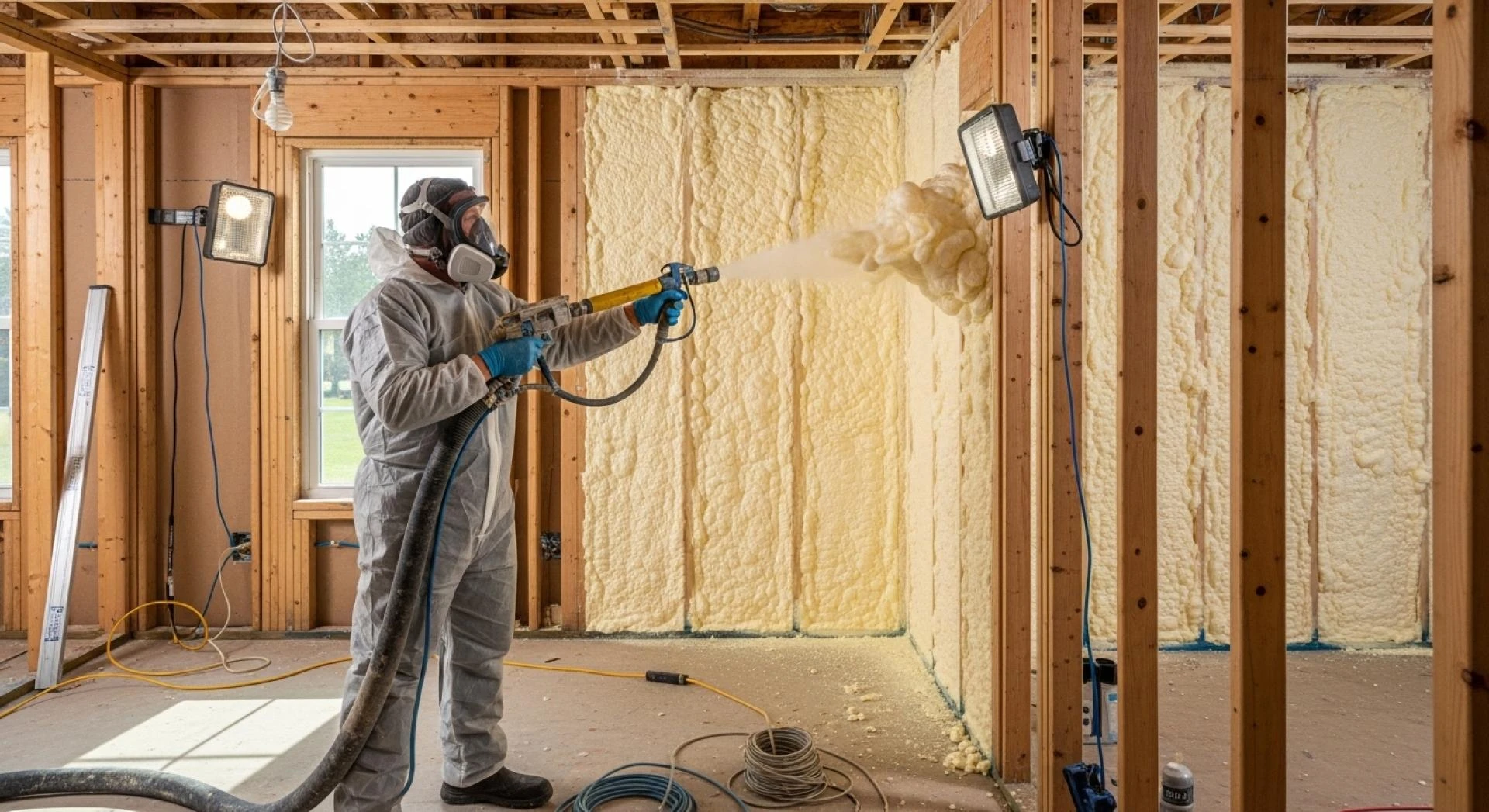
The chemical reaction during spray foam application allows the material to expand up to 100 times its liquid volume, depending on the type used. This rapid expansion forces insulation into the most minor cracks, gaps, and crevices that rigid boards or batting cannot reach. By filling these voids, the foam eliminates the primary pathways where conditioned air escapes and unconditioned outdoor air enters.
This process creates a thermal envelope that works in two distinct ways to improve living conditions. First, it resists heat transfer through conduction, keeping the interior cool in summer and warm in winter. Second, and perhaps more importantly, it stops air movement, or convection, which is responsible for a significant portion of energy loss in residential structures.
Temperature Stability Across Seasons
One of the most noticeable benefits of this air-sealing capability is the elimination of hot and cold spots within a home or commercial building. Traditional insulation often leaves gaps around electrical outlets, plumbing pipes, and attic hatches, creating areas where outside temperatures can influence the indoor climate. Spray foam encapsulates these penetrations completely, ensuring that every room maintains the temperature set by the thermostat.
Reducing HVAC Load
When the thermal envelope is secure, the heating and cooling system does not have to work as hard to maintain the desired temperature. This reduced workload extends the operational life of furnaces and air conditioners, delaying the need for expensive replacements. A system that cycles on and off less frequently also operates more quietly, contributing to a more peaceful indoor atmosphere.

| Performance Factor | Traditional Fiberglass | Spray Foam Insulation |
|---|---|---|
| Air Sealing | Poor (Requires a separate barrier) | Excellent (Built-in barrier) |
| R-Value Retention | Degrades as material settles | Constant over lifespan |
| Moisture Resistance | Absorbs water, prone to mold | Repels water (Closed-cell) |
| Lifespan | 15-20 years | 80+ years (Life of building) |
| Structural Support | None | Adds racking strength |
Long-Term Structural Benefits
Beyond thermal regulation, spray foam contributes to the physical durability of the building itself. Closed-cell spray foam is dense and rigid, effectively bonding the structural members of a wall or roof. This added rigidity can increase the racking strength of a wall assembly, making it more resistant to high winds and storms, which is particularly important in regions prone to severe weather.
Moisture control represents another critical area where spray foam protects the structural integrity of a property. By preventing warm, humid air from contacting cool surfaces inside walls, the insulation stops condensation from forming. This removes the primary source of water that causes wood rot and structural decay, ensuring the house's frame remains sound for generations.
Moisture and Mold Prevention
In humid climates like the Florida Panhandle, managing moisture is just as crucial as managing heat. Fiberglass insulation can act like a sponge, holding moisture against wooden studs and creating an ideal breeding ground for mold and mildew. Closed-cell spray foam acts as a vapor retarder, blocking moisture vapor from passing through the wall assembly and keeping the internal structure dry.
Bonus Tips
- Humidity Management: Even with spray foam, use a dehumidifier in crawl spaces to maintain optimal humidity levels.
- Roof Deck Inspection: Verify the condition of the roof deck before applying foam, as the insulation will adhere directly to it.
- Ventilation Strategy: Adjust your home ventilation plan, as a tighter home may require mechanical fresh air intake.
Pest Deterrence
While no insulation is a pesticide, spray foam creates a physical barrier that makes it much harder for pests to enter. Rodents and insects often use small gaps in the foundation or eaves to gain access to a home. By sealing these entry points with a hard, dense material, property owners can significantly reduce the likelihood of unwanted guests.
Things to Consider Before Making a Decision
Property owners must weigh the initial investment against the long-term gains when choosing between insulation types. While spray foam has a higher upfront cost than fiberglass, the monthly energy savings usually offset this difference within 5 to 7 years. It is also important to consider the intended use of the space, as finishing an attic or basement often requires the superior performance that only spray foam can provide.
Assessing Your Current Insulation
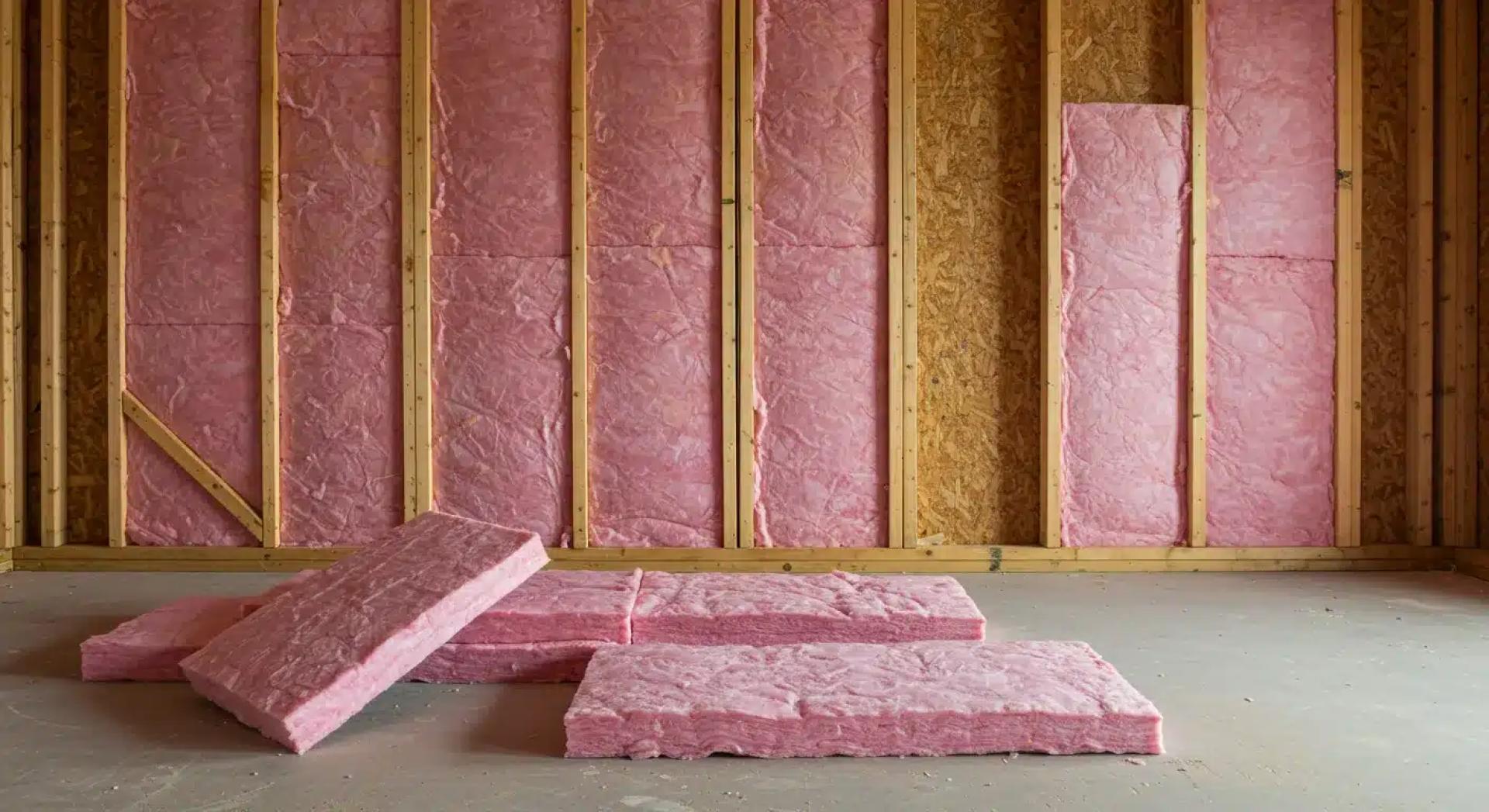
Before applying new insulation, a professional assessment of the existing material is necessary. In many cases, old, soiled, or compressed fiberglass needs to be removed to ensure the new foam bonds correctly to the substrate. Leaving damaged insulation in place can compromise the seal and trap odors or allergens inside the wall cavity.
Choosing Between Open and Closed Cell
The choice between open-cell and closed-cell foam depends heavily on the installation location and local climate. Open-cell foam is lighter and less expensive, making it suitable for interior walls and soundproofing. Closed-cell foam is dense, waterproof, and has a higher R-value per inch, making it the superior choice for exterior walls, roof decks, and basements in flood-prone areas.
Bonus Tips
- Verify Certification: Ensure the installation team is certified by the material manufacturer to guarantee warranty coverage.
- Check References: Ask for examples of local projects to understand how the material performs in your specific climate.
Questions People Ask About Spray Foam
Does spray foam insulation shrink over time?
High-quality spray foam is dimensionally stable and does not shrink noticeably after full cure. Professional application ensures the material adheres correctly and maintains its shape for the life of the building.
Is spray foam effective for soundproofing?
Yes, spray foam is excellent for soundproofing. Open-cell foam is particularly effective at absorbing sound waves, reducing noise transmission between rooms, and blocking outside noise from traffic or neighbors.
Can spray foam be applied to existing walls?
Spray foam can be applied to existing walls, but it typically requires removing the drywall or using an injection foam method. This process allows older homes to benefit from modern insulation standards without a complete teardown.
How does spray foam impact resale value?
Homes with spray foam insulation often command a higher resale value due to their energy efficiency and documented lower utility costs. Buyers appreciate the long-term durability and comfort that come with a well-insulated property.
Is the installation process messy?
The installation process involves chemical expansion, so professional installers use protective coverings for floors and windows. Once the job is complete, they trim the excess foam and clean the area, leaving it ready for drywall or other finishes.
Conclusion
Spray foam insulation offers a permanent solution for comfort that extends far beyond simple temperature control. By creating a sealed, durable, and energy-efficient environment, it protects the structure from moisture and physical stress while lowering operational costs. Property owners who choose this method invest in the future stability and livability of their building.
Connecting With Insulation Professionals
Choosing the right team to install spray foam is just as important as selecting the material itself. Prestige Insulation Solutions serves the Florida Panhandle with expert installation services designed to maximize energy efficiency and home comfort. Their team understands the unique demands of the local climate and provides tailored recommendations for every project.
Property owners interested in upgrading their insulation can trust them to deliver consistent, high-quality results. To discuss specific needs or schedule an evaluation, contact them at (850) 429-4969 or email [email protected].
Author: Rene Zamarripa, spray foam installer and owner, began in the insulation industry in 2008 with Key Insulation in San Antonio. After 17 years of hands-on experience, now owns a successful insulation company with aspirations to franchise. Knowledgeable in R-values, insulation processes, and various components used in both residential and commercial applications. Experienced in identifying the right insulation solutions for different structures, including spray foam, fiberglass, and cellulose.
Reviewer: Benjamin Lee has over 13 years of experience in the spray foam insulation industry and reviews content to help businesses connect effectively with local clients.
Sign in to leave a comment.