Commercial buildings are unforgiving.
They don’t care that the electrical system “passed inspection,” that the electrician promised it would “cope,” or that the office isn’t fully occupied yet.
Buildings reveal truth under stress. And in my 10+ years working across offices, retail spaces, and commercial fit-outs, one thing is clear: electrical optimism — assuming everything will work fine — is the fastest route to downtime and expensive fixes.
Why Optimism Fails in Commercial Electrical
Optimism in electrical design usually takes the form of assumptions:
- “We’ll never need more than X amps.”
- “The circuits should handle peak usage.”
- “Redundancy isn’t necessary yet.”
- “Everything will be fine once the building is occupied.”
It looks reasonable at first. On paper, it seems fine.
But commercial buildings don’t operate on paper. They operate under pressure, load, and human behaviour. And that’s where optimism fails.
How Optimism Shows Up in the Real World
Most early-stage issues are subtle:
- Flickering lights during peak usage
- Breakers that trip “sometimes”
- Slow IT or network performance
- Overheated switchboards
- HVAC struggling on hot days
At first, these problems are ignored — because “it still works.”
But commercial electrical stress is cumulative. Ignoring early signs of tightness, overloading, or lack of redundancy only compounds the risk.
By the time something fails catastrophically, the costs — in downtime, emergency callouts, and retrofits — are far higher than if it had been addressed early.
The Danger of “It’s Compliant”
Compliance is not resilience.
A system can pass all inspections and still be fragile:
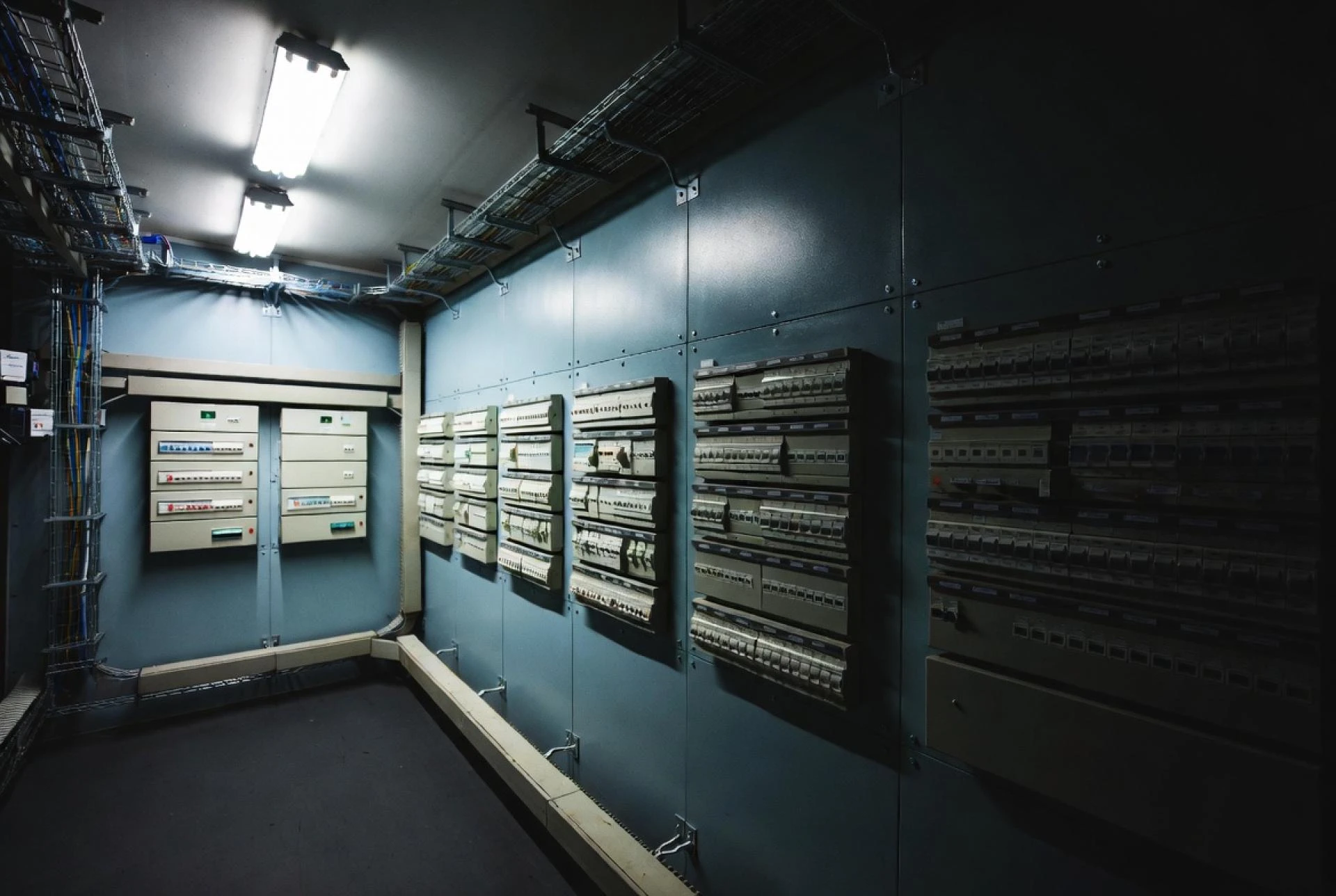
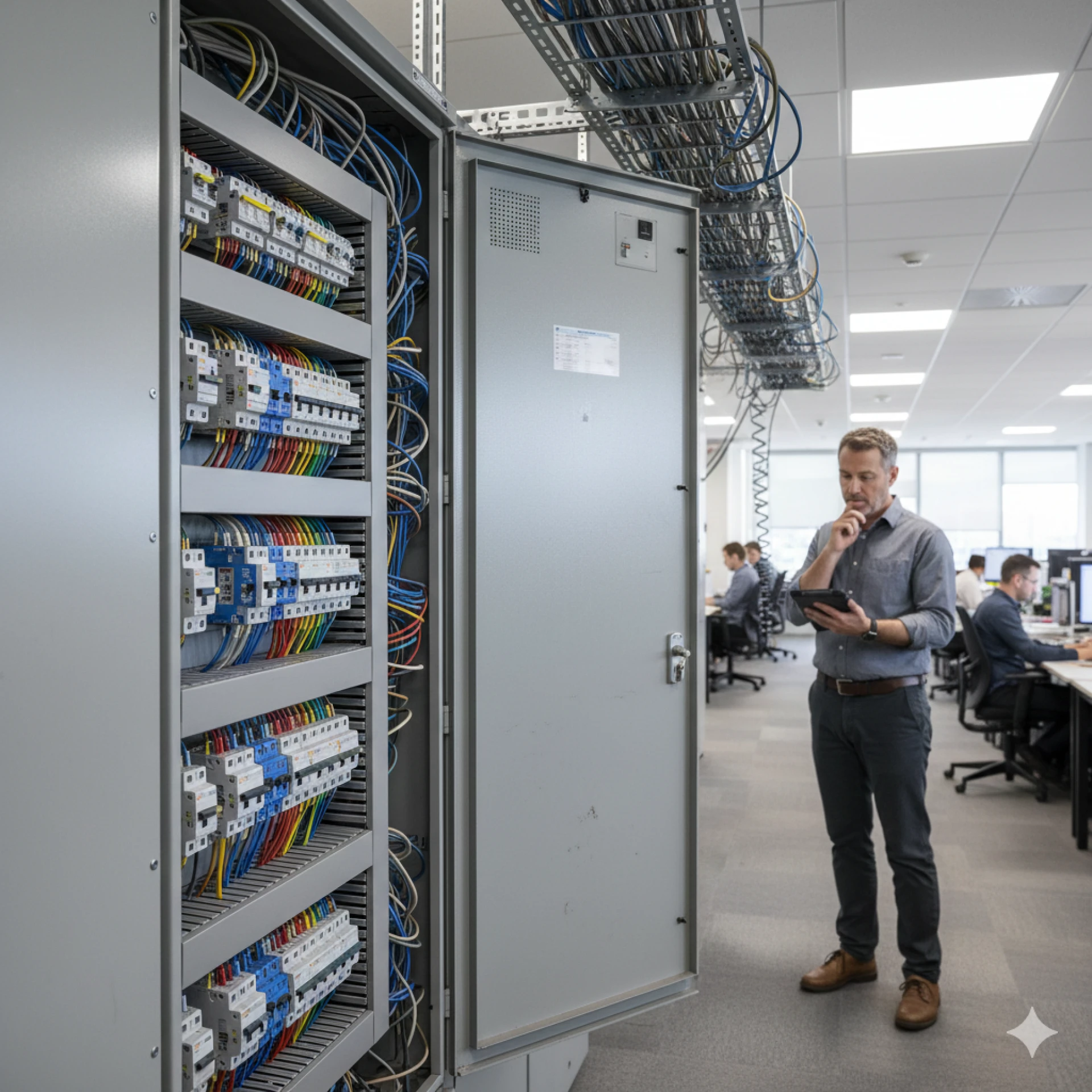
- Switchboards may have zero headroom
- Critical and general loads may be mixed
- No redundancy exists for peak or emergency conditions
- Circuits may be designed around average usage, not realistic peak loads
Commercial buildings will test every assumption — eventually. And when they do, optimism isn’t a defence. It’s a liability.
How Experienced Commercial Electricians Avoid Optimism
A proper Commercial Electrician Sydney designs for reality, not hope:
- Calculating realistic peak loads
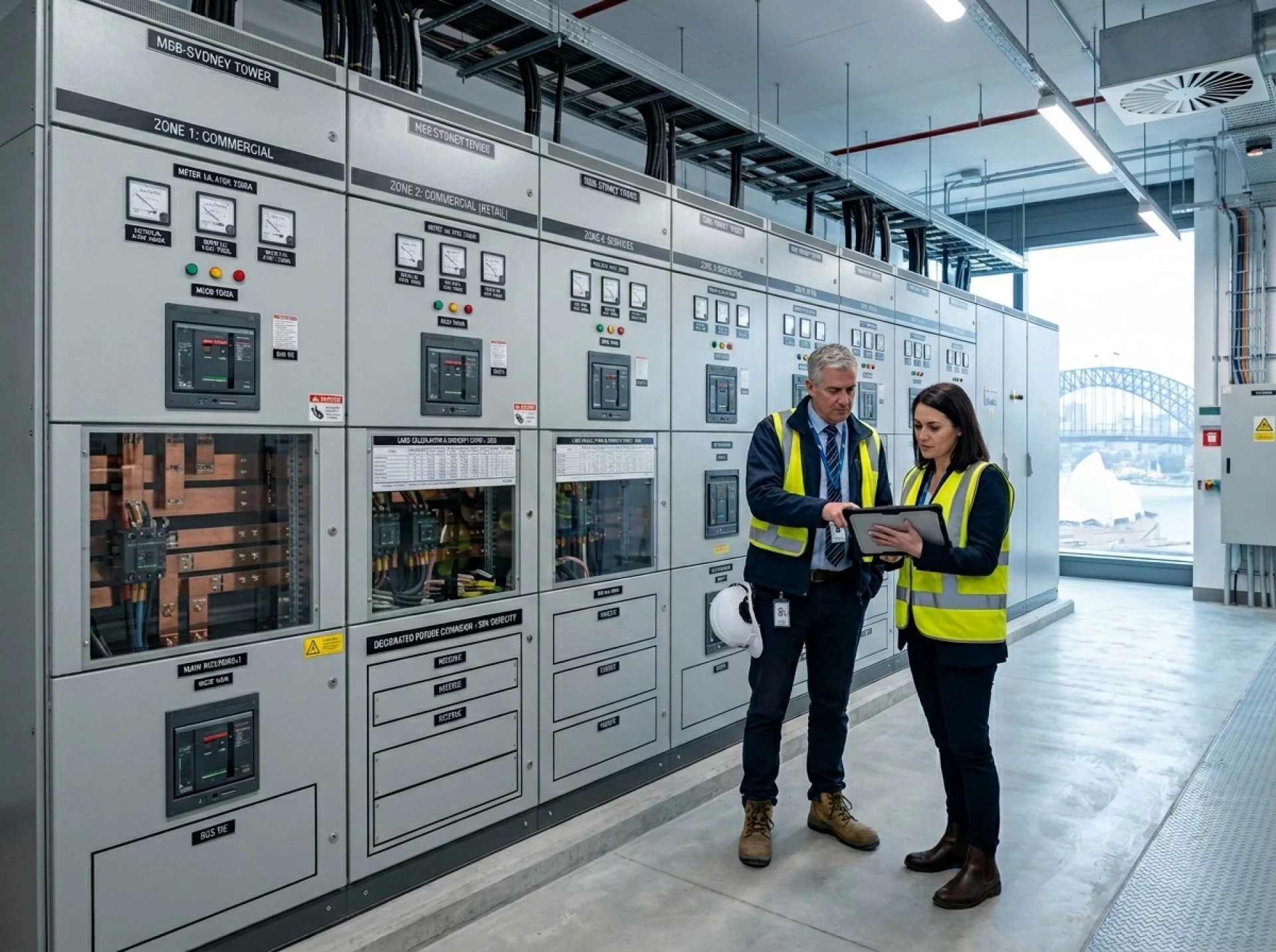
- Building headroom into switchboards
- Separating critical systems from general loads
- Designing redundancy and isolation for emergencies
- Stress-testing the system under full occupancy
At Lightspeed Electrical, we know the business won’t wait for electrical problems to appear. So we design systems that survive when pressure hits, not just today.
👉 Commercial Electrician Sydney
Why Optimism Is Expensive
Optimism costs more than upfront engineering:
- Emergency callouts disrupt business hours
- Retrofitting boards or circuits under pressure is costly
- Staff productivity drops during downtime
- Equipment can be damaged by overload or instability
Short-term “savings” or assumptions almost always lead to long-term pain.
The Bottom Line
Commercial buildings don’t forgive optimism.
Electrical systems designed with hope instead of engineering fail silently until they fail loudly.
True commercial electrical design isn’t about passing inspection or surviving day one.
It’s about resilience, foresight, and performance under pressure.
If your system relies on “it should be fine,” expect surprises — and expect the bill to be higher than if you’d planned for reality from the start.
Because in commercial electrical, optimism isn’t a strategy. It’s a risk.
Sign in to leave a comment.