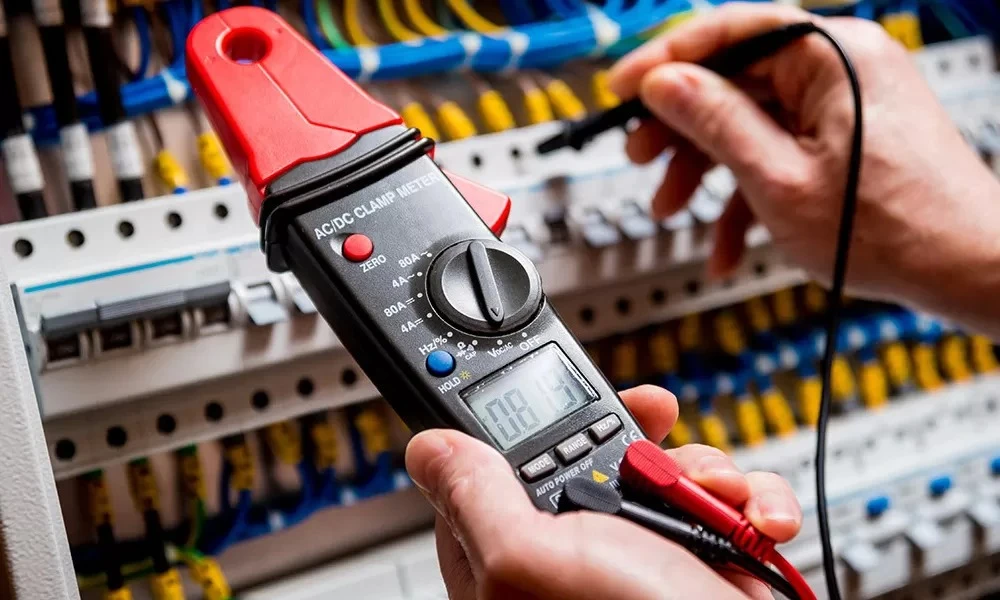
Owning or managing a commercial building comes with a long list of responsibilities, and the electrical system sits near the top of that list for good reason. A neglected electrical system doesn't just create inconvenience — it creates safety risks, compliance failures, and repair costs that could have been avoided entirely with a structured approach to maintenance. Commercial electrical maintenance is not a one-off task. It's an ongoing commitment that protects your building, your tenants, and your investment over the long term. This checklist is designed to give building owners a clear, practical framework for staying on top of their electrical obligations.
Why a Structured Checklist Matters
Most electrical problems in commercial buildings don't appear overnight. They develop gradually over time as components age, connections loosen, and systems are pushed beyond their original design parameters.
A structured maintenance checklist creates a consistent routine that catches developing issues before they become serious. It also creates a documented record of inspections and remedial work — something that becomes critically important if an incident occurs or a compliance audit takes place.
Without a checklist, maintenance tends to become reactive rather than proactive. Reactive maintenance is almost always more expensive and more disruptive than staying ahead of problems before they escalate.
Monthly Electrical Maintenance Tasks
Some checks need to happen regularly to catch fast-developing issues and keep day-to-day operations running smoothly.
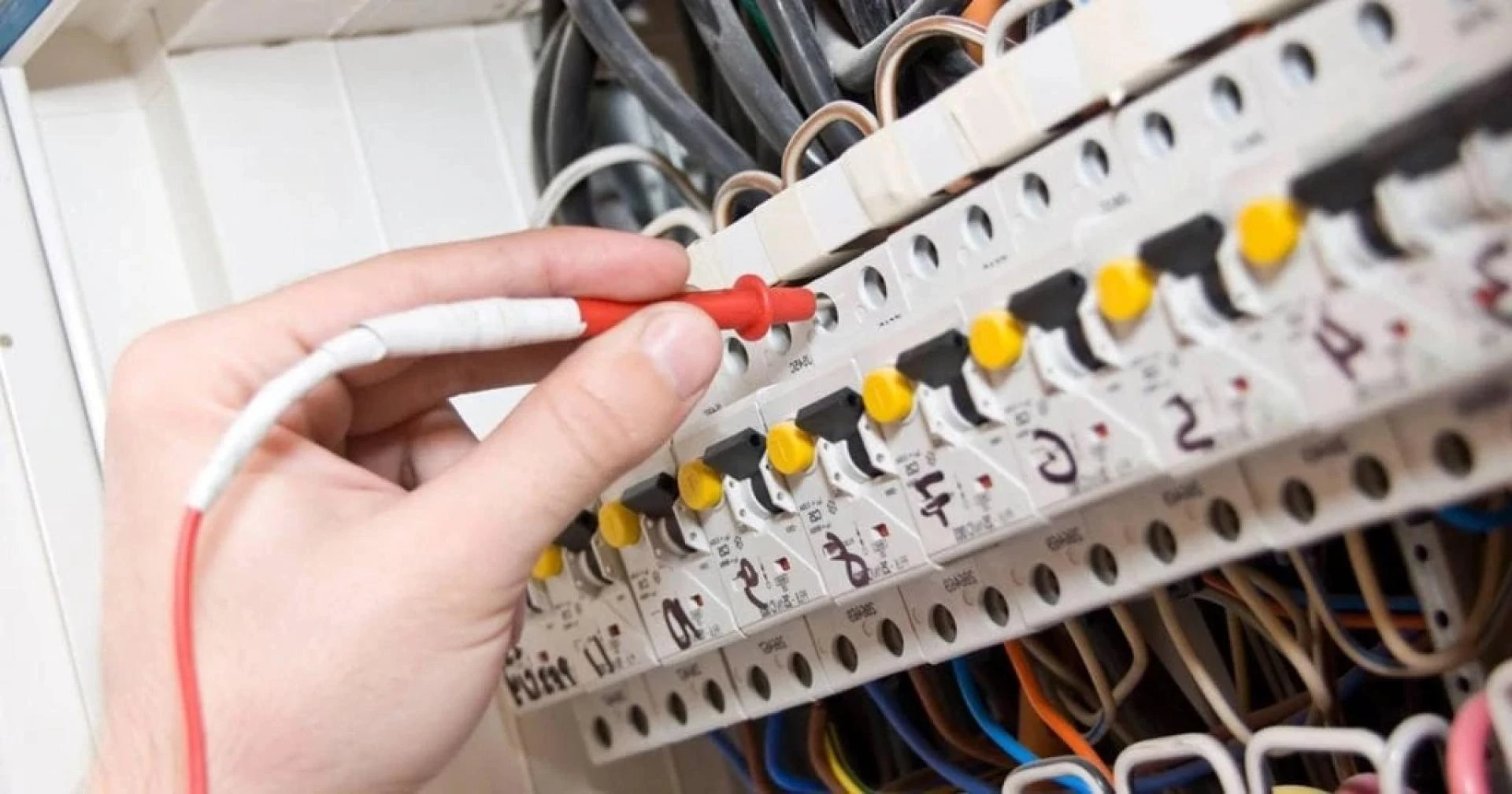
Visual Inspection of Electrical Panels Check switchboards and distribution boards for any visible signs of overheating, scorch marks, or unusual odours. These are early warning signs of a developing fault that needs professional attention promptly.
Test Safety Switches Safety switches should be tested monthly by pressing the test button on each unit. A safety switch that doesn't trip correctly during testing is not providing the protection it should and needs to be replaced.
Check Emergency and Exit Lighting Emergency lighting must be functional at all times. A monthly visual check confirms that all units are illuminated and that no globes or batteries need replacing.
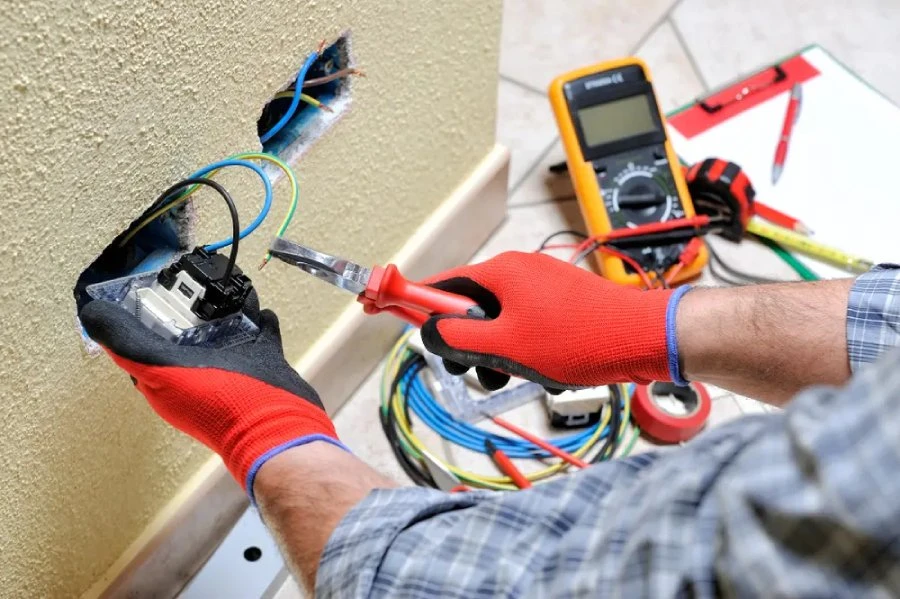
Inspect Visible Wiring and Cables Walk through accessible areas and check for any visible damage to cables, exposed wiring, or signs of physical wear. Any damage identified should be assessed by a licensed electrician before the next inspection cycle.
Quarterly Electrical Maintenance Tasks
Every three months, a more thorough review of your electrical system keeps longer-developing issues from going unnoticed.
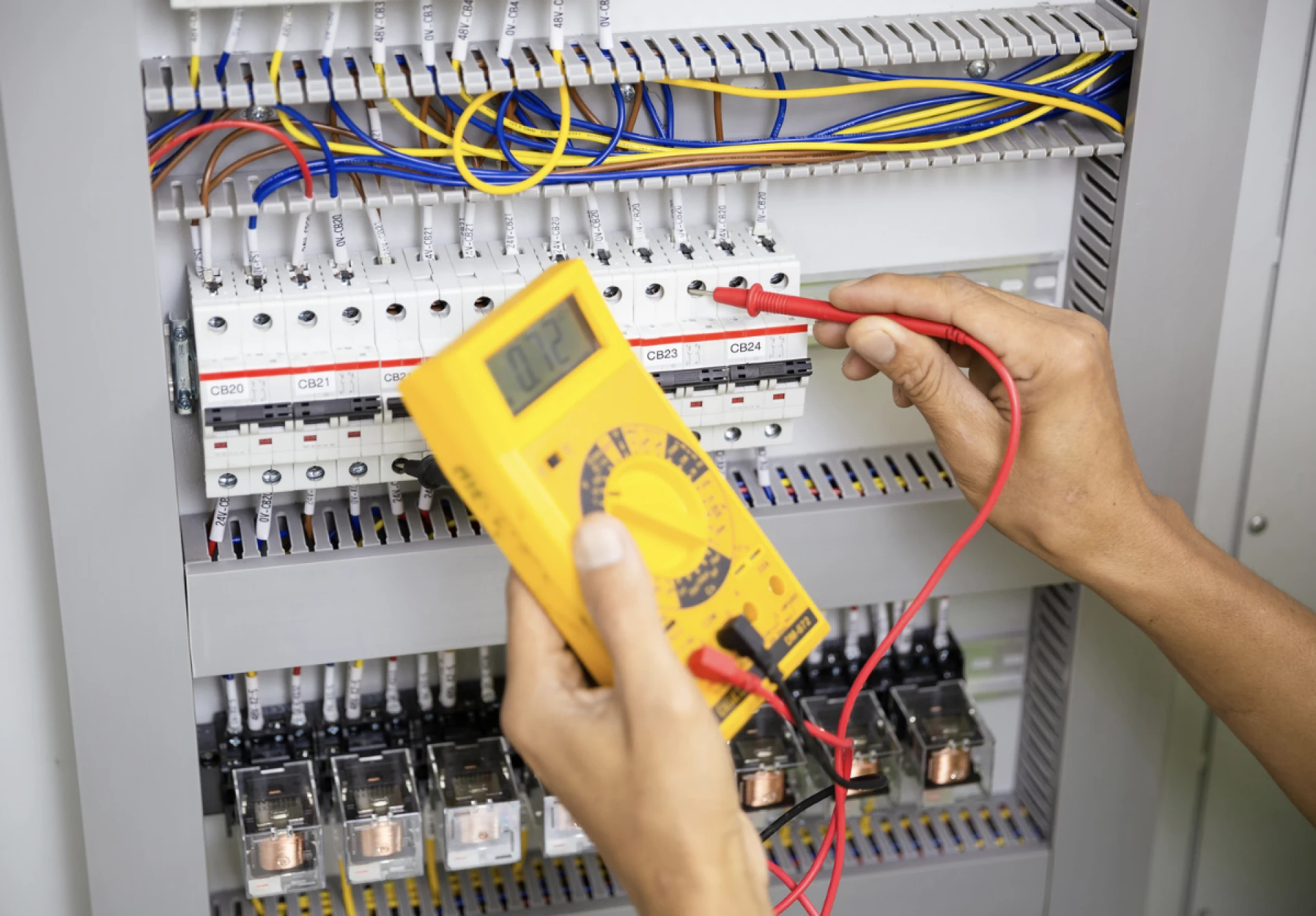
Test Circuit Breakers Circuit breakers should be manually tested quarterly to confirm they trip correctly under fault conditions. A breaker that fails to trip when tested is a serious safety concern that needs immediate attention.
Inspect Electrical Outlets and Switches Check all outlets and switches for signs of damage, discolouration, or loose fitment. Damaged outlets are a fire risk and should be replaced promptly.
Review Electrical Load Distribution Check that electrical loads across your building are distributed evenly and that no circuits are consistently running at or near their maximum capacity. Overloaded circuits are a leading cause of electrical faults in commercial buildings.
Assess Lighting Systems Review the condition of commercial lighting across the building, including controls, ballasts, and any automated or sensor-controlled systems. Address any faults or inefficiencies identified during the assessment.
Six-Monthly Electrical Maintenance Tasks
Twice a year, a more comprehensive inspection by a qualified electrician should be scheduled to cover the elements of your system that require professional assessment.
Thermal Imaging Inspection Thermal imaging uses infrared technology to detect hotspots in electrical panels, connections, and wiring that aren't visible to the naked eye. It's one of the most effective tools available for identifying developing faults before they cause a failure or fire.
Switchboard Servicing A full switchboard service includes cleaning, tightening of connections, checking for corrosion, and testing of all protective devices. Loose connections inside a switchboard are a common and preventable cause of electrical faults.
Testing of Earth Leakage Protection Commercial electrical maintenance at this level should always include testing of earth leakage protection devices across the building to confirm they are operating within their rated parameters.
Inspection of External Electrical Infrastructure External wiring, conduits, and connection points are exposed to weather and physical wear. A six-monthly inspection identifies any deterioration that needs to be addressed before it becomes a more significant issue.
Annual Electrical Maintenance Tasks
Once a year, a comprehensive electrical audit of the entire building should be carried out by a licensed electrician. This is the most thorough level of inspection and covers elements of the system that don't require more frequent attention.
Full Electrical Compliance Audit An annual compliance audit reviews the entire electrical installation against current Australian Standards and relevant state-based regulations. It identifies any areas where the installation has fallen out of compliance and provides a clear remediation plan.
Cable and Wiring Condition Assessment Over time, wiring insulation degrades, particularly in older buildings or environments with high temperature fluctuations. An annual assessment of wiring condition identifies cables that are approaching the end of their serviceable life before they become a safety risk.
Testing of All Emergency Systems Emergency lighting, exit signs, and any backup power systems should be comprehensively tested annually to confirm they will perform correctly in a genuine emergency.
Energy Efficiency Review An annual review of your building's energy consumption patterns can identify opportunities to reduce running costs through efficiency upgrades, load management improvements, or equipment replacement.
Update Electrical Documentation Make sure your electrical drawings, switchboard schedules, and maintenance records are up to date and accurately reflect the current state of your installation. Accurate documentation is essential for compliance and for any future remedial or upgrade work.
Compliance Obligations for Australian Building Owners
Commercial building owners in Australia have specific legal obligations around electrical safety under the Electricity Safety Act and relevant state-based Work Health and Safety legislation. Staying compliant is not optional — it's a legal requirement that carries real consequences if not met.
A documented maintenance program carried out by licensed electricians is the most straightforward way to demonstrate compliance. It creates a clear paper trail that shows your building has been maintained to the required standard and that identified issues have been addressed in a timely manner.
If you are ever audited, investigated following an incident, or need to demonstrate due diligence to your insurer, that documentation is invaluable.
Working With the Right Electrical Contractor
The value of a maintenance checklist depends entirely on the quality of the people carrying out the work. Not all electrical contractors approach commercial maintenance with the same level of thoroughness, and the difference shows over time.
A good commercial electrical contractor will:
- Provide clear, written reports after every inspection
- Flag developing issues with honest, straightforward advice on urgency and cost
- Maintain consistent records across inspection cycles so nothing gets missed
- Be proactive about identifying efficiency and safety improvements
- Respond promptly when urgent issues arise between scheduled inspections
The relationship with your electrical contractor should feel like a genuine partnership — one where they understand your building and your obligations as well as you do.
Conclusion
A well-maintained electrical system is one of the most important foundations of a safe, compliant, and efficiently run commercial building. Working through a structured checklist at monthly, quarterly, six-monthly, and annual intervals keeps your system in good condition, your tenants safe, and your compliance obligations met without last-minute scrambling. Commercial electrical maintenance done consistently and properly is always less expensive than dealing with the consequences of neglecting it. At Titanium Electrical, we work with commercial building owners across Australia to deliver structured, reliable maintenance programs that keep buildings running safely and efficiently. Get in touch with our team today and let's put the right maintenance plan in place for your building.



















Sign in to leave a comment.