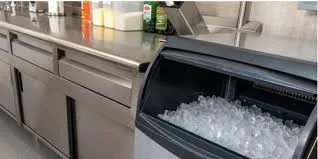

A restaurant can lose customers quickly if drinks are warm or ice is low during busy hours. Ice is not just something small. It affects food safety, drink quality, and customer experience every day. You may not think about it often, but the right system can save time, money, and stress.
In this guide, you will learn about the most important types of machines, how to choose the right one, and what features matter most. You will also understand how commercial ice supports daily operations and why choosing the right setup improves service and profits.
Why Ice Matters More Than You Think
Ice plays a key role in food service. It is used in drinks, food storage, and presentation. According to the U.S. Food and Drug Administration, ice is considered food, so it must meet the same safety standards.
Large volumes of restaurant ice are used every day by restaurants. A single fast-casual restaurant can use 500 to 1,500 pounds of ice daily, depending on traffic and menu type. This shows how critical a reliable system is.
Key Benefits of Proper Ice Systems
- Maintains food safety standards
- Improves drink quality and taste
- Supports faster service
- Reduces operational stress
Types of Commercial Ice Machines
Different restaurants need different ice types. Choosing the wrong one can affect service speed and customer satisfaction. Modern industrial ice systems are designed for specific use cases.
Cube Ice Machines
These are the most common machines. They produce clear, solid cubes that melt slowly. They are ideal for soft drinks, cocktails, and water service.
Nugget Ice Machines
Nugget ice is soft and chewable. It is popular in healthcare and casual dining. Many customers prefer this type because it absorbs flavors.
Flake Ice Machines
Flake ice is soft and moldable. It is used for food displays, seafood, and salad bars. It keeps products fresh and visually appealing.
Ice Machine Capacity and Production Needs
Choosing the right size is important. Undersized machines cause shortages. Oversized machines waste energy and money. Restaurants using high volumes of restaurant ice should focus on daily production capacity and storage.
Typical Daily Ice Needs
| Restaurant Type | Daily Ice Usage |
| Small Café | 100–300 lbs |
| Casual Dining | 300–800 lbs |
| High-Volume Fast Food | 800–1500 lbs |
| Bars/Nightclubs | 1000+ lbs |
According to ENERGY STAR, energy-efficient machines can reduce energy use by 10 to 15 percent compared to standard models.
Key Features to Look For
Modern machines offer many features that improve efficiency and hygiene. When investing in ice for commercial use, you should focus on long-term value.
Essential Features
- Energy efficiency certification
- Built-in water filtration
- Antimicrobial protection
- Easy cleaning systems
- Smart monitoring technology
Hygiene and Safety
The CDC highlights that contaminated ice can spread bacteria. Machines with UV or antimicrobial systems reduce this risk. This is especially important in busy kitchens.
Alternative Solutions for Restaurants
Some businesses use external solutions instead of owning machines. This is useful for startups or seasonal operations.
One option is using ice vending machines, which provide 24/7 access to fresh ice without a full equipment investment. These systems are becoming popular in areas with high demand and limited storage.
Cost Considerations and ROI
Buying an ice machine is not just about price. You must consider maintenance, energy use, and lifespan. A good system for restaurant ice can last 7 to 10 years with proper care.
Average Costs
- Small machines: $1,500 to $3,000
- Medium machines: $3,000 to $6,000
- Large commercial units: $6,000 to $15,000+
Energy-efficient models may cost more upfront but save money over time. According to ENERGY STAR, businesses can save hundreds of dollars per year in utility costs.
Maintenance and Cleaning Tips
Regular maintenance is essential for performance and safety. Poor maintenance can lead to contamination and machine failure.
Best Practices
- Clean machines every 3 to 6 months
- Replace water filters regularly
- Check for mineral buildup
- Ensure proper ventilation
Restaurants that follow these steps maintain consistent restaurant ice quality and avoid health risks.
Real-Life Example: McDonald's Ice Demand
Large chains like McDonald's use advanced systems to manage high demand. A busy location can use over 1,000 pounds of industrial ice daily. They rely on high-capacity machines with fast recovery rates. This shows how critical reliable systems are for maintaining speed and consistency in service.
Choosing the Right Machine for Your Restaurant
Every restaurant has different needs. You should consider menu type, customer volume, and available space. When selecting a commercial ice machine, think about:
- Daily production needs
- Ice type required
- Storage capacity
- Energy efficiency
- Maintenance requirements
A smart choice improves workflow and reduces downtime.
Future Trends in Ice Technology
The ice machine industry is evolving quickly. New systems focus on automation, sustainability, and smart monitoring.
Emerging Trends
- IoT-enabled machines for remote monitoring
- Water-saving technologies
- Eco-friendly refrigerants
- Compact designs for small kitchens
These innovations are shaping the future of commercial ice solutions.
Key Takeaways
- Ice is considered food and must meet safety standards
- Different machines serve different restaurant needs
- Proper sizing prevents shortages and waste
- Energy-efficient models reduce long-term costs
- Regular maintenance ensures hygiene and performance
- Smart technology is improving efficiency in modern systems
Choosing the Right Ice Solution for Long-Term Success
Selecting the right system is one of the most important decisions for any restaurant. Ice affects customer satisfaction, operational efficiency, and food safety every day. A reliable setup ensures smooth service, especially during peak hours. Investing in the right equipment also reduces long-term costs and prevents unexpected downtime.
Whether you choose a high-capacity unit or explore flexible options, your goal should always be consistency and quality. Brands like Double T Ice focus on providing reliable and accessible solutions that support both small and large businesses. When you choose wisely, you build a strong foundation for better service and long-term growth.
FAQs
- How much ice does a restaurant need daily?
Most restaurants need between 300 and 1,500 pounds of ice daily, depending on size and customer volume.
- What type of ice is best for drinks?
Cube ice is best because it melts slowly and keeps drinks cold longer.
- How often should ice machines be cleaned?
Experts recommend cleaning every 3 to 6 months to maintain hygiene and performance.
- Are energy-efficient ice machines worth it?
Yes, they reduce electricity costs and are better for long-term savings.
- Can restaurants use external ice sources?
Yes, options like vending systems or suppliers can support businesses with lower demand or limited space.

























Sign in to leave a comment.