
Introduction
Commercial layers poultry farming is a profitable venture that involves raising hens specifically for egg production. This type of poultry farming has gained popularity worldwide due to its high demand for eggs as a staple food item. Whether you’re a seasoned poultry farmer or considering entering the industry, understanding the core aspects of commercial layers farming is crucial for success. This article covers the essential elements of commercial layers of poultry farming, including setup, management, benefits, and challenges.
Commercial layers are chickens bred explicitly for egg production rather than for meat. Unlike broilers, which are raised for their meat, layers are typically selected for their ability to produce a large quantity of eggs over an extended period. These birds are usually kept in large-scale operations known as commercial layer farms, where the primary objective is to sell eggs.
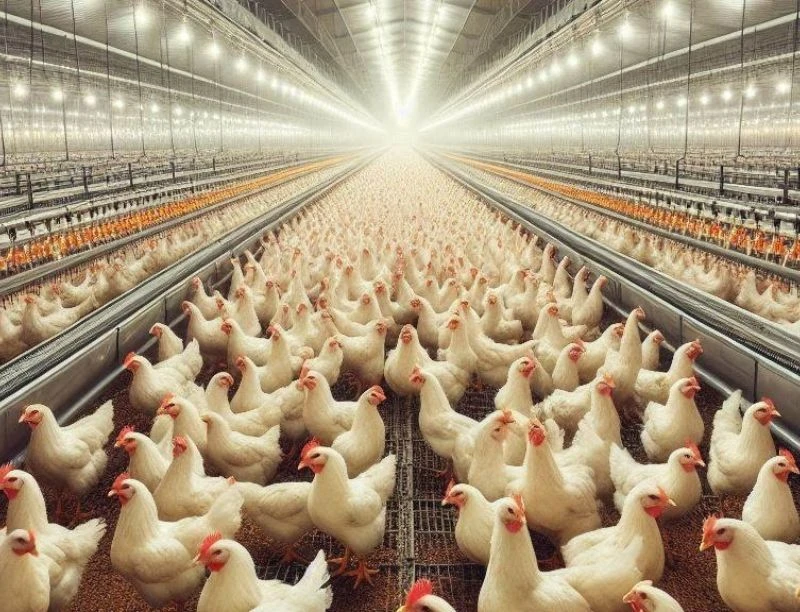
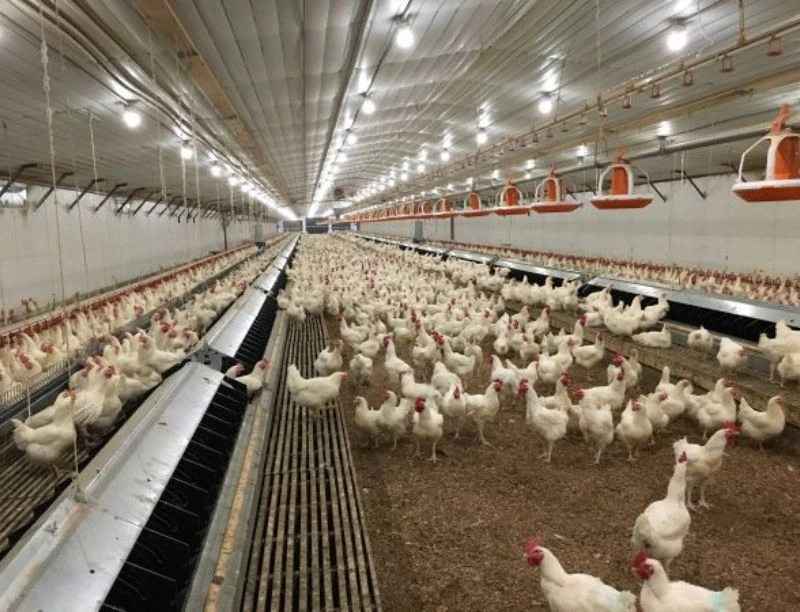
In commercial-layer poultry farming, the birds are kept in a controlled environment that optimizes their egg-laying potential. These farms are designed to handle large flocks of hens, and the operations are typically intensive, meaning the focus is on maximizing production efficiency.
Setting Up a Commercial Layer Farm
Setting up a commercial layers poultry farm requires careful planning and investment. Below are the essential components needed to establish a successful farm.
Land and Housing Requirements
A suitable piece of land is essential for setting up a poultry farm. Ideally, the land should be located in an area with easy access to transportation for delivering feed and collecting eggs. The land must also have a sound drainage system and adequate space for the poultry house, feed storage, and other necessary infrastructure.
Layer housing must provide a comfortable environment that supports high egg production. It should be well-ventilated, dry, and free from drafts. Commercial layer houses typically use battery cages or deep litter systems.
Battery Cages: Stacked cages provide individual spaces for each hen. They are the most common system in commercial layer farming because they maximize space and facilitate easier management of the hens.
Deep Litter System: In this system, hens can roam freely on a floor covered with litter (like wood shavings or rice husks). While this system allows more space per bird, it requires more maintenance and can result in higher labor costs.
Equipment and Infrastructure
Feeding and Watering Systems: Automated feeding and watering systems are essential for commercial layer farms. These systems ensure that all birds have access to sufficient food and water at all times, which is crucial for maximizing egg production.
Lighting: The egg-laying cycle is an integral part of the lighting system. Layers need a consistent light-dark cycle to stimulate egg production. In commercial layer farms, artificial lighting systems are often used to control the amount of light the hens receive.
Nest Boxes: Commercial layers need clean and comfortable nest boxes to lay eggs. The design and cleanliness of these boxes can influence egg production.
Biosecurity Measures
Biosecurity is critical in poultry farming to prevent diseases affecting the entire flock. The farm should be equipped with disinfection stations, and measures should be in place to prevent the entry of wild birds, rodents, and other animals. Maintaining a healthy flock requires routine vaccines and health examinations.
Also Read: Poultry Farming Equipment: A Comprehensive Guide
Selecting the Right Breed of Layers
The choice of breed is vital for the success of a commercial layer farm. While there are many types of laying hens, some breeds are particularly suited for commercial egg production. The most popular breeds include:
Hy-Line Brown: Known for their high egg production and ability to adapt to different environments.
Lohmann Brown: These hens are known for their consistent egg production and disease resistance.
ISA Brown: A very productive breed that is especially popular in commercial layer farms due to its high egg yield and hardy nature.
These breeds are selected for consistently laying large numbers of eggs over time. The right breed depends on climate, feed availability, and the farm’s specific egg production goals.
Feeding and Nutrition
Proper nutrition is one of the most critical commercial layers of poultry farming aspects. The diet of laying hens directly affects their health, productivity, and egg quality. A typical diet for commercial layers includes:
High-Quality Feed: Layers require a balanced diet with protein, energy, vitamins, and minerals. The protein content of the feed is significant as it supports egg production.
Calcium Supplementation: Since eggshells are made of calcium, they must provide layers with enough calcium in their diet. This is typically provided through crushed limestone or oyster shells.
Fresh Water: Clean, fresh water is critical for laying hens. Dehydration can result in poor health and reduced egg production.
Automated feeding systems are often used in commercial layer farms to ensure that each bird receives the appropriate amount of feed at the correct times.
Managing Egg Production
Effective management of egg production is essential for the profitability of the farm. Several factors influence egg production in commercial layers:
Lighting: As mentioned earlier, consistent lighting is essential for stimulating egg production. Most commercial layer farms use artificial lighting to extend daylight hours and ensure that the hens remain in a productive cycle.
Temperature Control: Layers are sensitive to extreme temperatures. Maintaining an optimal temperature range in the poultry house helps maximize egg production.
Health Monitoring: Regular health checks are vital to identify any illnesses early and prevent the spread of disease. Hens should be vaccinated against common poultry diseases, and any signs of illness should be addressed immediately.
Egg Collection and Grading
Egg collection is typically done several times daily to prevent eggs from becoming soiled or cracked. Automated systems often help with egg collection, reducing labor costs and ensuring that eggs are handled gently.
For More Details, Click Here


























Sign in to leave a comment.