
For small and medium-sized enterprises (SMEs), entering into a commercial lease is a major financial and legal commitment. Whether you are renting office space, a retail shop, or an industrial unit, the lease agreement you sign will shape your business operations for years to come. Unfortunately, many SMEs underestimate the importance of proper commercial lease review and drafting, often signing agreements without fully understanding the terms.
A poorly drafted lease can expose your business to unexpected costs, restrictive conditions, and legal disputes. On the other hand, a carefully reviewed and professionally drafted lease can protect your rights, reduce risks, and provide flexibility for future growth.
In this article, we will explore why commercial lease review and drafting is essential for SMEs, what to look for in a lease agreement, and how professional legal support can safeguard your business interests.
What Is Commercial Lease Review and Drafting?
Commercial lease review and drafting refers to the process of carefully examining, negotiating, and preparing lease agreements for business premises. It involves:
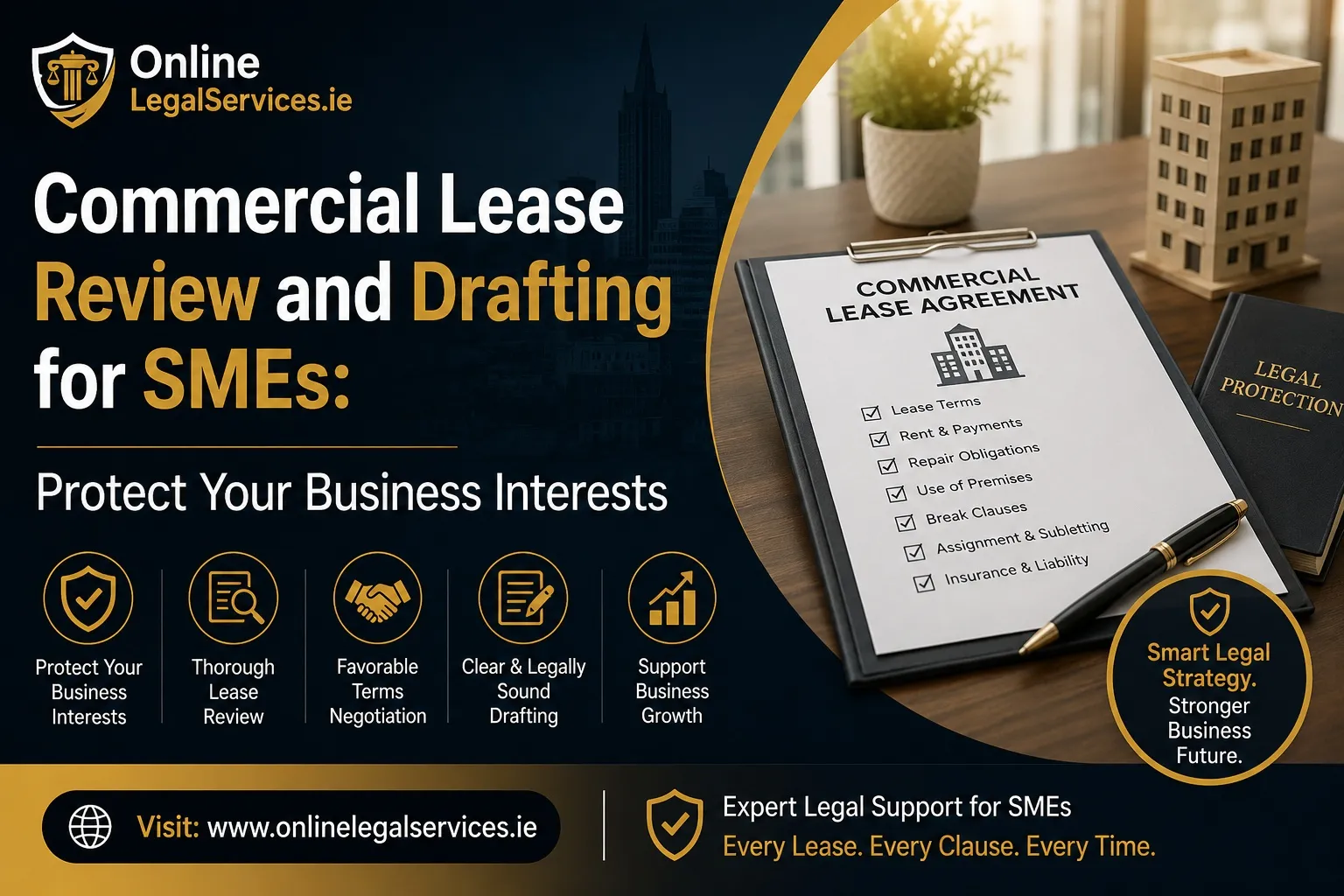
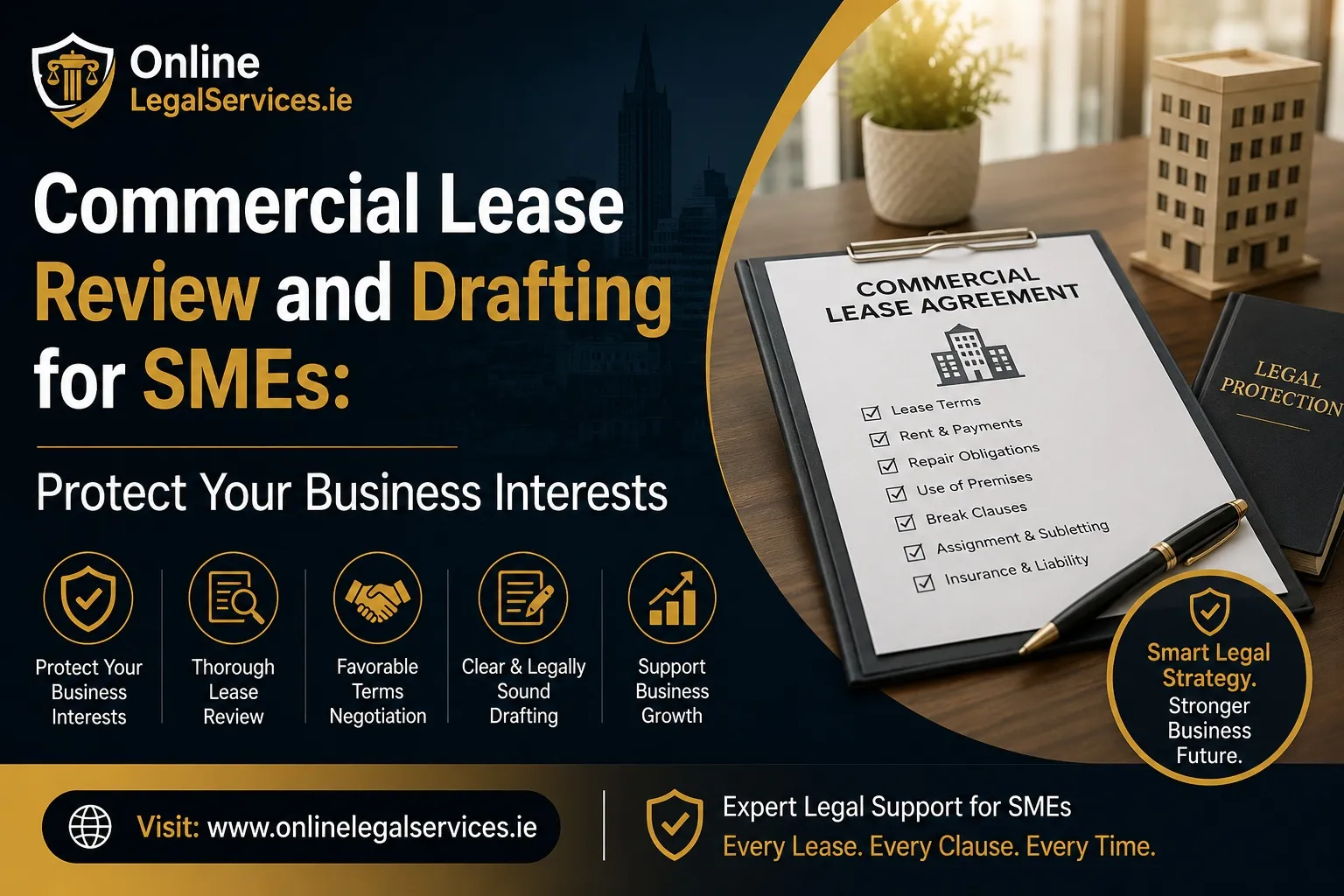
- Reviewing lease terms and conditions
- Identifying risks and unfavorable clauses
- Negotiating better terms
- Drafting clear and legally sound agreements
For SMEs, this process ensures that the lease aligns with their operational needs and financial capacity while minimizing legal exposure.
Why SMEs Must Prioritize Lease Review
1. Long-Term Financial Commitment
Commercial leases often span several years and involve significant financial obligations. Rent, service charges, maintenance costs, and insurance can add up quickly. Without proper review, SMEs may agree to terms that strain their cash flow.
A thorough commercial lease review in Ireland process helps identify hidden costs and ensures financial clarity.
2. Avoiding Unfavorable Clauses
Lease agreements are typically drafted by landlords or their legal teams, meaning they often favor the landlord. Without review, SMEs may unknowingly accept:
- Unfair rent escalation clauses
- Strict repair obligations
- Limited break options
- Heavy penalties for early termination
Professional review ensures that these clauses are balanced and fair.
3. Protecting Business Flexibility
SMEs need flexibility to grow, relocate, or adapt to market changes. A poorly drafted lease can restrict:
- Expansion opportunities
- Subletting or assignment rights
- Exit options
Through proper commercial lease review and drafting, businesses can secure terms that support long-term growth.
4. Legal Compliance
Commercial leases must comply with applicable laws and regulations. Errors or omissions in drafting can lead to disputes or even invalid agreements.
Legal experts ensure that your lease is compliant, reducing the risk of costly legal issues.
Key Elements of a Commercial Lease Agreement
Understanding the core components of a lease is essential during the review process.
1. Rent and Payment Terms
This includes:
- Base rent
- Rent review mechanisms
- Payment schedules
- Late payment penalties
Ensure that rent increases are reasonable and clearly defined.
2. Lease Duration and Break Clauses
The lease term determines how long you are committed to the property. Break clauses allow early termination under certain conditions.
SMEs should negotiate flexible break options to reduce long-term risk.
3. Repair and Maintenance Obligations
Some leases require tenants to handle all repairs, including structural issues. This can lead to unexpected expenses.
A proper commercial lease review and drafting process ensures that responsibilities are fairly distributed.
4. Use of Premises
Leases specify how the property can be used. Restrictions may limit your business activities or future changes.
Ensure that the permitted use aligns with your business goals.
5. Assignment and Subletting
These clauses determine whether you can transfer the lease or sublet the property.
Flexibility in these terms is crucial for SMEs planning growth or restructuring.
6. Insurance and Liability
Tenants are often required to carry insurance and may be liable for damages.
Review these clauses carefully to avoid excessive liability.
Common Risks SMEs Face Without Proper Review
Skipping commercial lease review and drafting can expose SMEs to several risks:
Hidden Costs
Unexpected charges such as service fees, maintenance costs, and insurance premiums can significantly increase expenses.
Limited Exit Options
Without break clauses, businesses may be locked into leases even if the location no longer suits their needs.
Legal Disputes
Ambiguous or unfair clauses can lead to disagreements with landlords, resulting in costly legal battles.
Operational Restrictions
Restrictions on property use can limit your ability to adapt or expand your business.
Benefits of Professional Lease Drafting
1. Clear and Precise Language
Professionally drafted leases eliminate ambiguity, reducing the risk of misunderstandings.
2. Balanced Agreements
Legal experts ensure that the lease protects both parties, not just the landlord.
3. Risk Mitigation
Identifying and addressing potential risks early can save SMEs significant time and money.
4. Strong Negotiation Support
Experienced professionals can negotiate better terms, including rent, repairs, and exit options.
The Role of Legal Experts
Engaging professionals for commercial lease review and drafting provides SMEs with:
- Expert interpretation of complex legal terms
- Identification of hidden risks
- Strategic negotiation advice
- Customized lease agreements tailored to business needs
This support ensures that your lease works for you, not against you.
Practical Tips for SMEs
Start Early
Begin the review process well before signing the lease to allow time for negotiation.
Understand Your Needs
Clearly define your business requirements, including space, budget, and flexibility.
Negotiate Key Terms
Do not hesitate to negotiate rent, lease duration, and responsibilities.
Seek Professional Advice
Investing in expert commercial lease review and drafting services can prevent costly mistakes.
Plan for the Future
Consider how your business may grow or change over time and ensure the lease accommodates this.
Commercial Lease Review Checklist
Before signing any lease, SMEs should review:
- Rent structure and increases
- Lease duration and break clauses
- Repair and maintenance responsibilities
- Use restrictions
- Assignment and subletting rights
- Insurance requirements
- Termination conditions
This checklist can serve as a starting point, but professional review is highly recommended.
How Commercial Lease Review Supports Business Growth
A well-reviewed lease is more than just a legal document—it is a strategic tool. It provides:
- Financial predictability
- Operational flexibility
- Reduced legal risks
- Confidence in business decisions
By prioritizing commercial lease review and drafting, SMEs can focus on growth rather than dealing with avoidable legal issues.
Conclusion
For SMEs, a commercial lease is one of the most important agreements they will sign. It directly impacts finances, operations, and long-term growth. Ignoring the importance of commercial lease review and drafting can lead to costly mistakes and unnecessary risks.
By carefully reviewing lease terms, negotiating favorable conditions, and seeking professional legal support, businesses can protect their interests and create a strong foundation for success.
In today’s competitive environment, taking a proactive approach to lease agreements is not just a legal necessity—it is a smart business strategy. Investing in proper review and drafting ensures that your lease supports your goals, safeguards your finances, and empowers your business to thrive.




























Sign in to leave a comment.