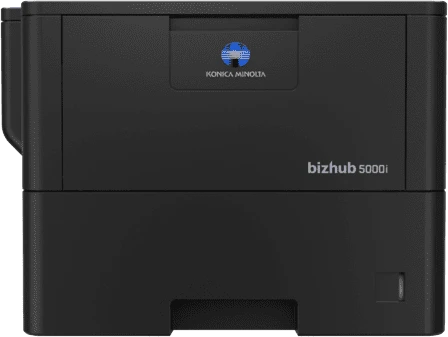

Selecting an appropriate printer for your workplace can significantly influence productivity, efficiency, and business operations in general. With such diversity of choices, it is vital to know how commercial office printers are different from typical personal or home printers.
What Are Commercial Office Printers?
Business office printers are intended for professional, heavy-duty use within business settings. They are constructed to manage high levels of printing workloads, have faster print speeds, and include features that accommodate multiple users. These types of printers best suit office settings, corporate office environments, and organizations that need reliable, high-quality output.
In contrast, standard printers are typically designed for personal or small-scale use. They are suitable for low-volume printing tasks, such as occasional documents or home office needs.
Key Differences Between Commercial Office Printers and Standard Printers
1. Printing Volume
Commercial office printers are designed to print hundreds or thousands of pages per month without sacrificing performance. Regular printers, on the other hand, are more appropriate for low-printing volumes and will overheat or breakdown if used intensively.
2. Speed and Efficiency
Commercial printers are far quicker than regular printers, printing between 30–60 pages per minute or more. Commercial printers can print several jobs at once, making them suitable for offices with high volumes of printing.
3. Durability and Reliability
Commercial office printers are known for their durability. They incorporate high-quality parts and heavy-duty designs to support around-the-clock operation. Basic printers tend to be less durable and might need to be serviced regularly if utilized in a high-traffic environment.
4. Advanced Features
Commercial office printers usually feature advanced features including:
- Duplex printing (automatic double-sided printing)
- Network connectivity for multiple users
- Large-capacity paper trays
- Secure printing and user authentication
- Scanning, copying, and faxing capabilities
Standard printers typically have only standard printing and might not include these extra features.
5. Cost Factors
Commercial office printers are more expensive to buy upfront, but are ultimately less expensive for businesses over time through durability, cheaper per-page printing, and less downtime. Standard printers are less expensive to purchase but can be pricey through heavy use or constant maintenance.
6. Support and Maintenance
Commercial printers usually have professional support packages, maintenance contracts, and simple access to replacement parts. Regular printers use primarily standard warranties and minimal support possibilities.
When to Use a Commercial Office Printer
If your enterprise involves lots of printing, uses huge documents, or has several users requiring simultaneous usage, a commercial office printer is the optimal solution. They economize time, minimize printer-related downtime, and deliver professional-calibre output routinely.
For occasional, small-volume printing—e.g., in a home office or small team—a regular printer might get the job done.
Conclusion
Knowing the differences between office commercial printers and regular printers allows your office to have the proper equipment to optimize productivity and efficiency. While the initial investment in a commercial office printer might be higher, the long-term gains through increased speed, longevity, and enhanced features make it an intelligent decision for expanding businesses.

























Sign in to leave a comment.