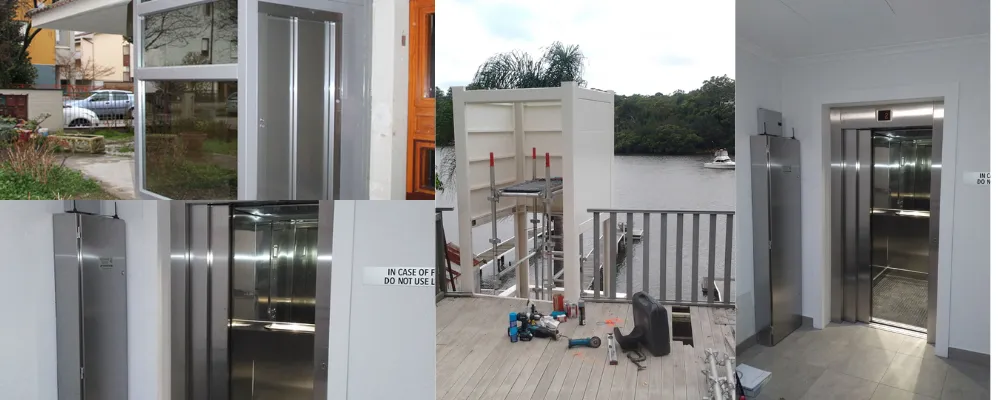
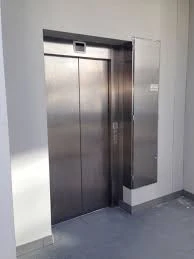
You will never get an honest answer the first time you ask about the cost of commercial or residential elevators. Some installers will quote AU$40,000, while others will quote almost AU$80,000 for residential elevators, and both will sound confident. The sad part is that none of them explains the gap properly. The fact is that this gap usually comes down to the property and not the lift.
WHAT DRIVES THE PRICE UP OR KEEP IT SENSIBLE
The base unit only tells a minute part of the story. The variations in cost and installation duration are due to building conditions and whether the decision was made early. Here is a quick revelation of facts that can change the numbers in any residential lift installation project.
- LIFT TYPE – hydraulic systems cost differently than traction or air-driven lifts
- FLOORS SERVICED – each additional stop adds labour and components
- NEW BUILD VS. RETROFIT – existing homes complicate everything
- INTERIOR FINISHES – glass, steel, or standard panels
- SITE CONSTRAINTS – tight access in older suburbs slows installs
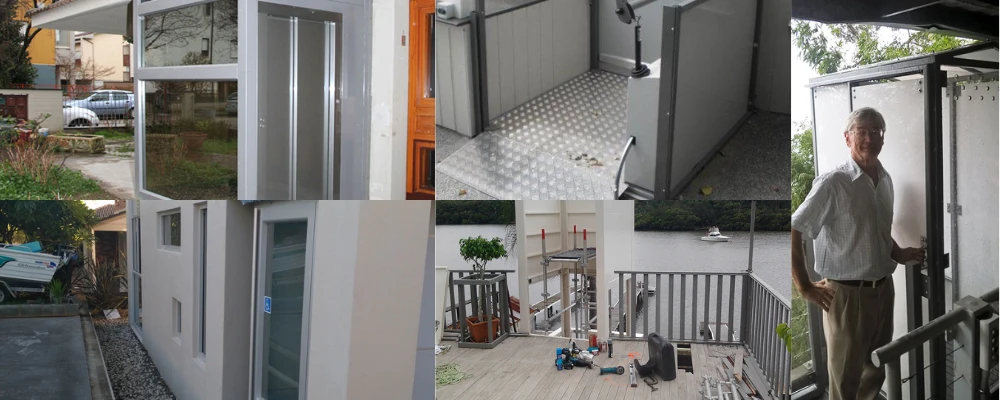
In other words, a lift installation process in a straightforward two-storey home in Brisbane will be predictable and so will be the cost. However, when trying to fit a home lift elevator into a split-level property with narrow access, the budget will stretch beyond expectations.
RESIDENTIAL ELEVATORS COST: WHAT MOST QUOTES LOOK LIKE?
Most residential elevators in Australia cost between AU$35,000 and AU$90,000 for a full installation. This range holds up across metropolitan cities nationwide, with minor variations. A typical breakdown is presented below.
- Lift unit: $25,000 – $60,000
- Installation labour: $10,000 – $25,000
- Structural work: $5,000 – $20,000+
The structural component catches people off guard, particularly in older properties. Numerous projects are delayed because the floor slabs need reinforcement. This is not a small job and not cheap either.
If you are planning for residential lift installations, it's always fruitful to understand the installation process before locking in the budget. This knowledge will avoid most surprises during the home lift elevator installation at your place.
COMMERCIAL ELEVATORS: HIGH SPECS HIGH COST
Commercial lifts fall into a completely different category than residential lift installation. The cost usually starts at AU$80,000 and can go well beyond AU$200,000 depending on the building size, lift size, and usage. During this installation, you are not just paying for the lift. You're actually covering the following –
- Higher load capacities
- Advanced safety systems
- Frequent daily use
- Strict compliance standards
Compliance is another important factor when installing residential elevators and commercial elevators. The Australian Building Codes Board sets the baseline for compliance, and the Australian Human Rights Commission also plays a role here. Missing requirements can delay approvals, and you may face delays in using your elevator.
WHAT COST DOESN'T SHOW UP EARLY?
Initial quotes look clean and promising, but the real cost is completely different and never stays that way. You must watch out for the following, as they have a deep impact on the overall budget you put into installing commercial elevators or residential elevators.
- Electrical upgrades to support the system
- Council permits and certification
- Ongoing servicing
- Emergency backup systems
Servicing alone runs about $1,500 to $3,000 annually. Not excessive, but it needs to be factored in from day one.
The real budget blowout is experienced in retrofitting, as these structures don't give you the flexibility of new builds. In this situation, the installation professionals have to deal with the following –
- Existing structural limitations
- Limited shaft space
- Electrical constraints are already in place
Experts have to maintain perfection in installation. A well-installed lift will deliver the following benefits for not just convenience, but future proofing as well.
- Extend how long you comfortably live in a multi-storey home
- Improve accessibility for ageing family members
- Add appeal when selling, especially in premium suburbs
FAQS
HOW MUCH DO RESIDENTIAL ELEVATORS COST IN AUSTRALIA?
- Most fall between $35,000 and $90,000, depending on structure, design, and installation complexity.
DO I NEED COUNCIL APPROVAL FOR A HOME LIFT?
- Often yes.
- Structural changes and safety compliance usually require local approval.
ARE RETROFIT LIFTS MORE EXPENSIVE?
- Yes.
- Existing structures limit installation options and increase labour.
WHAT DOES ANNUAL MAINTENANCE COST?
- Expect around $1,500 to $3,000 for regular servicing and inspections.
HOW LONG DOES INSTALLATION TAKE?
- Generally, 2 to 6 weeks, depending on site conditions and design.
THE VERDICT
Quoting a lift in Australia rarely means just grabbing generic catalogue rates. Your unique property layout always pushes back.
Physical space dictates everything, especially if those blueprints happen late. Demand a ruthless site assessment before signing anything. Catching structural roadblocks early stops nasty budget blowouts entirely.
Still tossing up ideas? Find true specialists actively managing both residential and commercial elevator installations. You skip the guesswork almost instantly.
























Sign in to leave a comment.