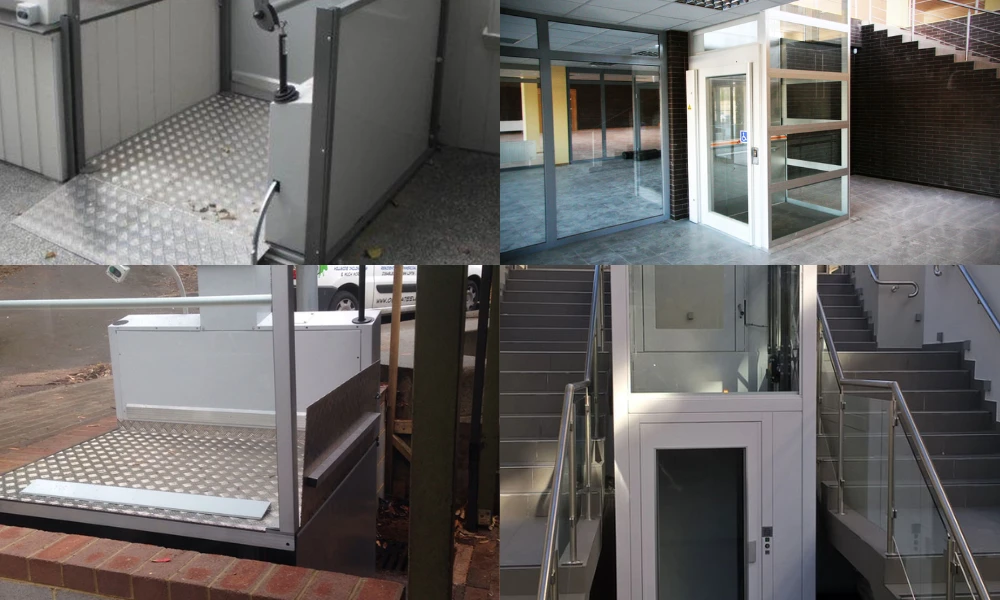
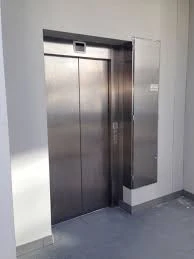
There was a time when commercial and residential elevators were strictly used to enhance mobility and improve accessibility. But now things have changed and they are used for comfort, luxury and long-term resale value as well. But a major concern that users have in mind is the running cost and the cost of servicing. Modern-day lifts and elevators are highly energy-efficient, but they require timely maintenance and scheduled look after to maintain their efficiency and performance. Let us understand the energy efficiency and maintenance requirements and features of these home lift elevators.
HOW MUCH ENERGY EFFICIENT ARE THESE HOME LIFT ELEVATORS?
As mentioned above, modern-day residential lifts are very energy-efficient, as they come with advanced drive technology and modern features. They help by consuming very less power compared to the older residential elevators or those running on hydraulic power. These units draw similar energy as any standard household appliance and this depends on the following features.
Drive system (traction vs. hydraulic)
- Number of stops
- Usage frequency
- Standby power draw
- Lighting type inside the cabin
Those powered by traction systems outperform hydraulic residential elevators very easily in terms of energy efficiency. The reason is that constant fluid pressure is not there and in fact, luxury elevators offered by vendors have regenerative drives that redirect unused energy back into the system.
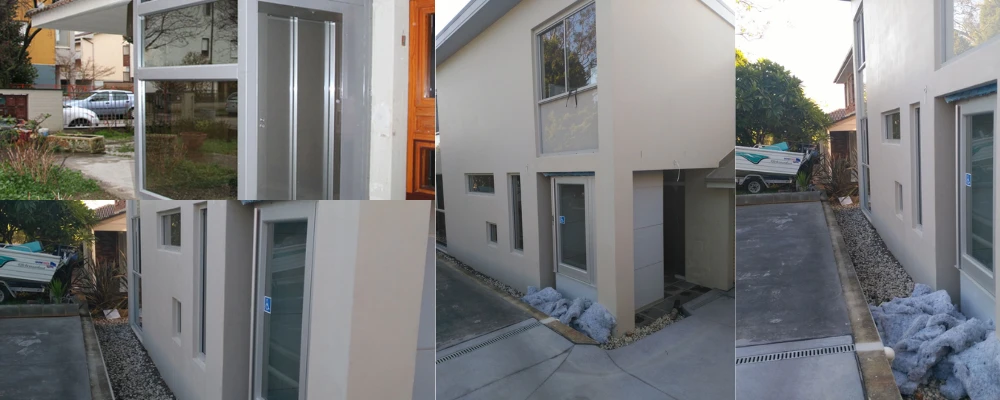
Homeowners can contribute towards energy efficiency by integrating the lift design early in the construction process. This reduces energy loss as smart positioning will become easy and improve insulation around the hoist way.
DESIGN CHOICES THAT INFLUENCE RUNNING COST
Luxury features don’t inflate your electricity bills and in fact, some high-end designs contribute by reducing the running costs. While selecting residential lifts for your home, you can consider these energy saving features.
- LED cabin lighting instead of halogen
- Sleep-mode standby features
- Proper shaft insulation
- Energy-efficient motors
- Minimalist glass usage where heat load becomes an issue
Excessive heat and poorly ventilated shafts contribute towards increasing the system’s strain and as a result, energy consumption increases significantly and wear and tear also becomes very common. Experts of residential lift services must ensure that the shaft is well-sealed and has balanced airflow and ventilation for performance and longevity.
MAINTENANCE – THE MOST CRUCIAL ASPECT OF RESIDENTIAL ELEVATORS
Servicing intervals should not be pushed to save money because this approach will eventually cost more in the long run. If your home lifts elevator experiences frequent usage, it means the mechanical system is used more and in these situations, it will need the following.
- Scheduled safety inspections
- Lubrication of moving parts
- Door alignment checks
- Software diagnostics
- Emergency backup testing
It is important that home lift elevators and in fact, both commercial and residential lifts are maintained as per Australian standards AS-1735. This compliance will protect both occupants and property’s resale value.
SKIPPING MAINTENANCE OFTEN LEADS TO:
- Noisy travel
- Jerky starts
- Door faults
- Unexpected shutdowns
Regular servicing keeps warranties intact and protects long-term asset value.
Remember, inadequate maintenance and servicing will allow salt and moisture-laden wind to accelerate corrosion. Lubrication is also necessary to ensure that the performance doesn't get affected at all.
CONSIDERING LIFE CYCLE COSTS – THE REAL INVESTMENT
Your residential lift should operate reliably for decades with timely maintenance, look after and servicing. An average age of a home lift elevator is beyond 20 years and it can be increased to 25 years with proper care and lift maintenance. Annual servicing is the most crucial aspect to enhance their overall life. Homeowners looking to improve the performance and prolong their life should do with –
- Annual servicing contracts
- Replacement parts over time
- Modernisation upgrades after 15+ years
- Compliance inspections
USING THE RIGHT SERVICE PROVIDER
Branded experience matters the most and it is recommended to rely on specialists from a reputed agency for everything from installation to servicing and maintenance. While searching for a service provider for residential lift installations, you should consider the following factors.
- Local servicing teams
- Clear maintenance schedules
- Transparent reporting
- Compliance documentation
- Experience with luxury installations
FAQs
HOW MUCH ELECTRICITY DOES A RESIDENTIAL LIFT USE IN AUSTRALIA?
- Most modern traction lifts use similar power to a standard appliance.
- Standby mode consumption often has a bigger impact than travel energy.
HOW OFTEN SHOULD A HOME LIFT BE SERVICED?
- At least once every 12 months.
- High-use lifts may require more frequent checks.
DO RESIDENTIAL ELEVATORS INCREASE POWER BILLS?
- Not when installed and insulated properly.
- Efficient models keep running costs modest.
WHAT HAPPENS IF I SKIP LIFT MAINTENANCE?
- Expect increased breakdown risk, warranty issues, and potential safety non-compliance.






















Sign in to leave a comment.