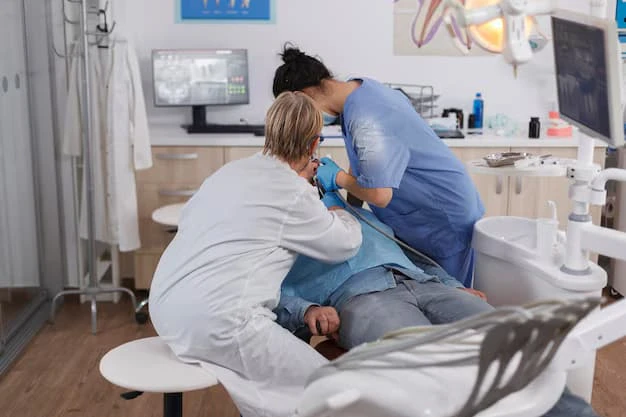

Dental emergencies can happen at any time, often when least expected. Whether it’s due to an accident, a sudden injury, or a worsening dental condition, knowing how to handle dental emergencies can make all the difference in saving teeth and preventing long-term complications. Fortunately, emergency dental clinics are equipped to handle a wide range of dental accidents, providing immediate care to alleviate pain and address urgent issues.
This article will explore the most common dental accidents treated in emergency dental clinics, helping individuals understand when to seek emergency care and what to expect during a visit.
What Constitutes a Dental Emergency?
The Urgency of Dental Problems
A dental emergency is any situation that requires immediate attention to prevent further damage, alleviate pain, or preserve the health of a tooth. Unlike routine dental visits for checkups and cleanings, dental emergencies often involve trauma, infection, or sudden, severe pain. Delaying treatment for dental emergencies can lead to complications, including tooth loss, infection spread, or long-term oral health issues.
Emergency dental clinics specialize in quickly diagnosing and treating these urgent problems, offering both relief and solutions to patients in distress. Some of the most common accidents and conditions requiring emergency dental care include toothaches, broken teeth, lost fillings, and dental abscesses.
Common Dental Accidents Treated in Emergency Clinics
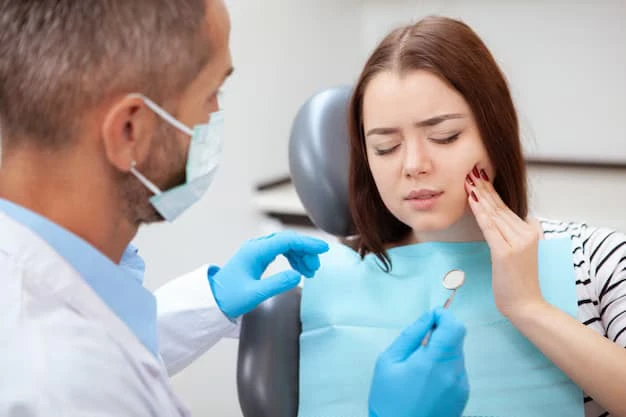
Toothaches and Severe Pain
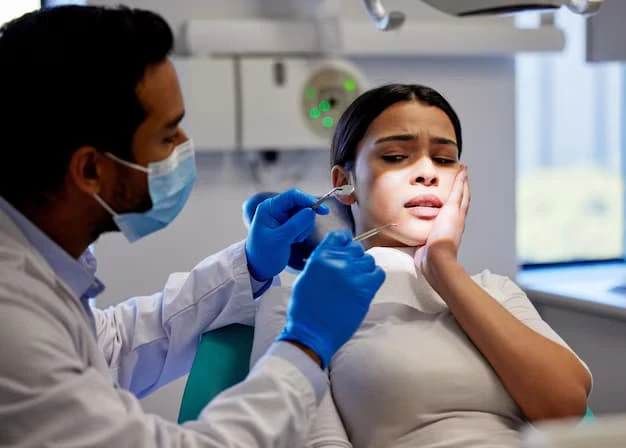
One of the most frequent reasons people visit emergency dental clinics is due to sudden or severe tooth pain. Toothaches can range from mild discomfort to excruciating pain, and they can be caused by a variety of factors, including:
- Tooth decay: When cavities reach deeper layers of the tooth, it can cause sharp pain.
- Gum disease: Infected or inflamed gums can lead to throbbing pain.
- Cracked or broken teeth: A fracture in the tooth can expose nerves, causing intense discomfort.
- Dental abscesses: Infections in the tooth or gums can lead to swelling and pain.
Pain may also result from sensitivity to hot or cold foods and drinks. Regardless of the cause, any tooth pain that lasts for more than a few hours or becomes progressively worse should be addressed by an emergency dentist to prevent further complications.
Cracked or Broken Teeth
Accidents, falls, or even biting down on something hard can result in a cracked or broken tooth. These dental injuries are often traumatic and require immediate care to prevent further damage to the tooth or surrounding tissues.
- Chipped teeth: A small chip in a tooth can often be treated with bonding or cosmetic restoration. However, if the chip exposes the pulp of the tooth (the soft tissue inside), it may require a root canal or more extensive treatment.
- Fractured teeth: Larger cracks may involve the inner layers of the tooth, leading to pain and sensitivity. A fractured tooth is more vulnerable to infection and further damage if left untreated.
- Completely broken teeth: A tooth that breaks in half may need to be extracted, or if possible, it can be reattached or restored with a crown.
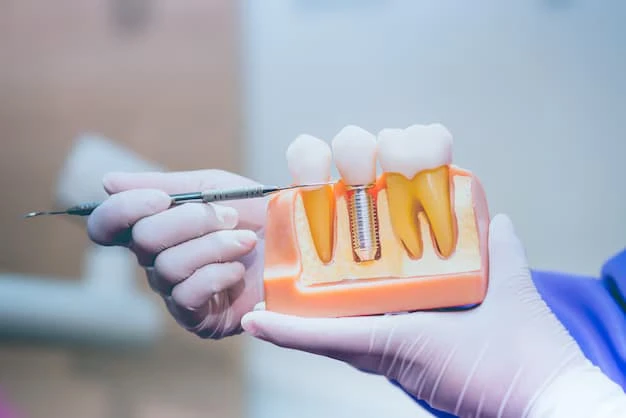
Prompt treatment in an emergency dental clinic is essential to preserve the tooth structure and avoid infection. In cases of a completely broken tooth, the dentist may be able to save the tooth through restorative measures like a crown, root canal, or dental implant.
Knocked-Out Teeth (Avulsed Teeth)
One of the most alarming dental emergencies is a knocked-out or avulsed tooth. This often happens due to a fall, car accident, sports injury, or even a physical altercation. When a permanent tooth is knocked out, quick action is necessary to increase the chances of reattachment.
- What to do: If a tooth is knocked out, try to find it and handle it by the crown (the part that is usually visible in the mouth) rather than the root. Rinse it gently with water if it is dirty, but avoid scrubbing or using soap. If possible, place the tooth back into the socket, biting gently to hold it in place, or keep the tooth moist by placing it in milk or a tooth preservation solution. Avoid storing the tooth in water.
- Timing is crucial: The sooner you visit an emergency dental clinic, the higher the chances of saving the tooth. Ideally, reimplantation should occur within an hour of the injury.
In some cases, if the tooth cannot be reattached, the dentist may recommend a dental implant or bridge to restore function and aesthetics.
Lost Fillings or Crowns
Fillings and crowns are used to restore teeth that have been damaged by decay or injury. Over time, fillings can become loose or fall out, and crowns may become dislodged. This can cause discomfort and expose the inner layers of the tooth, increasing the risk of infection.
- What to do: If a filling or crown is lost, it is important to visit an emergency dental clinic promptly. In the meantime, the patient can use dental cement (available at most drugstores) to temporarily seal the tooth and protect it from further damage.
- Treatment options: The dentist will likely replace the lost filling or crown. If the tooth beneath the crown has become damaged, additional procedures like a root canal may be necessary to restore the tooth.
Abscesses and Infections
Dental abscesses are infections that can occur in the tooth, gums, or around the root of a tooth. An abscess can cause intense pain, swelling, and sometimes fever. Left untreated, an abscess can lead to serious complications, including the spread of infection to other parts of the body.
- Symptoms of a dental abscess: Pain that is constant or throbbing, swelling in the gums or jaw, fever, and a bad taste in the mouth. In some cases, an abscess may also cause swollen lymph nodes in the neck.
- Treatment: Emergency dental care for an abscess typically involves draining the infection and providing antibiotics to reduce swelling and prevent the infection from spreading. The dentist may also need to perform a root canal if the infection is deep within the tooth or remove the tooth if it is beyond saving.
Soft Tissue Injuries
Soft tissue injuries to the mouth, gums, lips, tongue, or cheeks can also occur during accidents or physical altercations. These injuries, while not always as severe as a broken tooth, may require urgent care to control bleeding, reduce swelling, and prevent infection.
- What to do: If you sustain a cut to the inside of your mouth, rinse the area with clean water and apply gentle pressure with a clean cloth or gauze to stop the bleeding. If the bleeding does not stop after 10 minutes or if the injury is deep, it is important to visit an emergency dental clinic.
- Treatment: The dentist may clean the wound, apply stitches if necessary, and prescribe antibiotics to prevent infection. In more severe cases, the dentist may refer the patient to a specialist for further care.
Braces and Orthodontic Emergencies
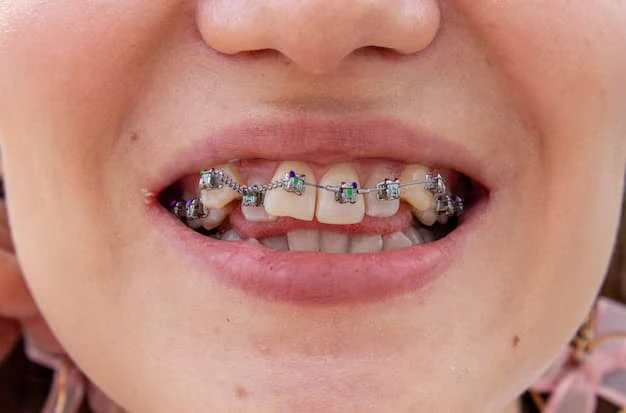
For individuals undergoing orthodontic treatment, emergencies can arise with braces, retainers, or other dental appliances. Common problems include broken brackets, loose wires, or poking wires that cause discomfort or pain. These issues can interfere with the effectiveness of treatment and may cause further damage to the teeth or gums if not addressed quickly.
- What to do: If a wire is causing pain or poking the inside of the mouth, try gently pressing it with a cotton ball or using orthodontic wax to cover the sharp end. If a bracket becomes loose, avoid using it until you can see your orthodontist or an emergency dentist.
- Treatment: In an emergency dental clinic, the orthodontist or dentist will address the broken appliance and make necessary adjustments to ensure the orthodontic treatment continues as planned.
Why You Should Visit an Emergency Dental Clinic
Immediate Relief and Treatment
Dental emergencies often come with intense pain, swelling, and stress. Visiting an emergency dental clinic ensures that you receive the appropriate care as quickly as possible. Delaying treatment can worsen the problem and potentially lead to more expensive and complicated procedures down the line.
Expert Care and Diagnosis
Emergency dental clinics are staffed by experienced professionals who are trained to handle a variety of dental accidents and conditions. They can provide expert care, offer pain management solutions, and recommend the most appropriate course of treatment to address the issue at hand.
Preservation of Your Teeth and Oral Health
Many dental accidents, such as knocked-out teeth or broken teeth, can be successfully treated if addressed immediately. Emergency dental clinics are equipped with the necessary tools and expertise to preserve the affected teeth and prevent the need for extractions or long-term complications.
Conclusion
Dental accidents are unpredictable, but knowing what to do when they occur can make a world of difference. Whether it’s a toothache, a cracked tooth, a knocked-out tooth, or any other dental emergency, seeking immediate care from an emergency dental clinic is crucial for alleviating pain and preserving your oral health. Understanding the common dental accidents treated in emergency clinics can help you stay prepared and ensure that you respond appropriately when an emergency arises.
For individuals seeking professional dental care in Riverpark, Clove Dental Riverpark offers comprehensive emergency dental services to treat a wide variety of dental accidents and urgent conditions.



























Sign in to leave a comment.