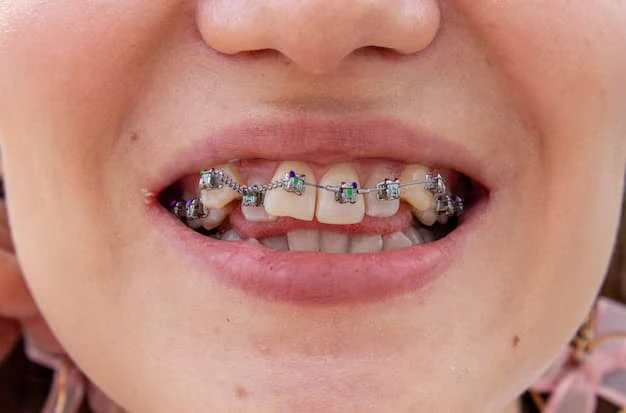

Traditional metal braces have remained one of the most reliable orthodontic treatments for many years. Even with modern options available today, these braces continue to offer strong and effective correction for various alignment issues. Many people choose them because they provide consistent results, durable design, and the ability to treat even complex cases. This detailed guide explains how traditional metal braces work, what patients experience during the treatment process, and why they remain a trusted choice for creating a well aligned smile.
Understanding How Traditional Metal Braces Work
Traditional metal braces function by applying gentle and continuous pressure on the teeth. This pressure gradually shifts teeth into improved alignment over a set period of time. The system uses brackets, wires, and elastic ties to guide each tooth to its ideal position.
Components That Make the System Effective
Traditional metal braces rely on three primary elements. Brackets are small metal attachments bonded to the surface of each tooth. An archwire connects the brackets and creates the force needed to move the teeth. Elastic ties hold the wire securely in place. Together, these components work as a unified system to deliver steady pressure.
The Science Behind Tooth Movement
Tooth movement occurs because the bone surrounding the tooth responds to pressure over time. When braces apply pressure in a specific direction, the bone on one side breaks down slightly while new bone forms on the opposite side. This biological process allows the tooth to slowly shift. Orthodontists use careful planning to ensure the pressure remains controlled and predictable, which promotes safe and effective movement.
The Step by Step Journey of Getting Traditional Metal Braces
Many patients feel more confident about treatment when they understand the process. A complete braces journey typically involves evaluation, preparation, placement, and regular adjustments.
Initial Consultation and Diagnostic Records
The first step involves a detailed examination of the teeth, bite, and jaw alignment. Diagnostic records may include X rays, photographs, and impressions or digital scans. These records help the orthodontist design a personalized treatment plan that targets the specific alignment problems.
Placement of Brackets and Wires
Once the plan is ready, the braces are placed onto the teeth. The orthodontist cleans and prepares each tooth before bonding the brackets. After the brackets are secure, the archwire is threaded through them and tightened using elastic ties. Patients usually feel some pressure at this stage, which is a normal part of the process.
Regular Adjustment Appointments
Adjustments are essential for progress. During these visits, the orthodontist modifies the archwire or the elastic ties to maintain proper pressure on the teeth. Adjustments ensure that the teeth continue to move in the right direction. Although patients may feel mild soreness after an adjustment, the sensation typically fades within a few days.
Benefits of Choosing Traditional Metal Braces
Traditional metal braces offer a wide range of advantages. Many people appreciate their durability and their proven ability to correct even complex dental issues.
Strong Correction for a Variety of Problems
Traditional metal braces can treat overcrowding, spacing, overbites, underbites, crossbites, and open bites. They also work well for patients who need more substantial or advanced orthodontic correction. Their structure allows for precise tooth control that may not always be possible with some removable systems.
Durability and Long Lasting Performance
Metal brackets are extremely strong and can withstand everyday chewing and biting. This makes them a dependable choice for younger patients and individuals who want treatment with minimal risk of breakage. Their strength also ensures consistent results throughout the treatment period.
Predictable and Controlled Movements
Because traditional braces remain fixed in place, they continuously apply pressure. This removes the need for patient compliance and ensures predictable tooth movement. Patients who might forget to wear removable appliances can benefit from the fixed nature of traditional metal braces.
Life With Traditional Metal Braces
Patients usually adapt well to daily life with braces. Knowing how to care for them properly helps maintain comfort and supports successful treatment.
Oral Hygiene Routine During Treatment
Braces create small spaces where food particles and plaque can accumulate. A careful cleaning routine is important to keep the mouth healthy. Patients should brush after meals and use tools such as interdental brushes, floss threaders, or water flossers to clean around the brackets and wires. Regular professional cleanings also support oral health.
Diet Adjustments to Protect the Braces
Certain foods can damage the brackets or wires. Patients are advised to avoid very hard foods that could cause brackets to loosen or wires to bend. Sticky foods also pose challenges because they can pull on the braces and contribute to plaque buildup. Choosing softer and cleaner food options supports both comfort and treatment progress.
Managing Discomfort and Minor Irritations
Mild discomfort is normal after initial placement or adjustments. Orthodontic wax can help reduce irritation from the brackets. Over time, the mouth adapts to the braces and most patients experience less sensitivity and improved comfort as treatment continues.
Expected Results and Treatment Timeline
Although every patient’s case is different, traditional metal braces generally provide noticeable improvement within a few months.
Factors That Influence Treatment Duration
The length of treatment depends on the complexity of the alignment issues, patient age, and consistency in attending checkups. The orthodontist evaluates progress at each appointment and ensures the treatment stays on track.
Retainers to Maintain Improvements
After the braces are removed, patients receive retainers to help maintain their new smile. Retainers support the teeth as the surrounding bone stabilizes. Wearing retainers as instructed plays a key role in long lasting results.
Why Traditional Metal Braces Remain a Trusted Choice
Even with modern orthodontic innovations available today, traditional metal braces remain widely used because of their effectiveness and reliability.
Proven Results for All Ages
Traditional metal braces can help children, teens, and adults. Their consistent performance makes them suitable for individuals who want a well aligned smile without relying on removable appliances.
Ability to Address Complex Alignment Needs
Some orthodontic problems require precise control of tooth movement. Traditional metal braces provide the detailed guidance needed to achieve proper alignment, even in challenging cases.
Conclusion
Traditional metal braces offer a dependable path to a healthier and more confident smile. Their strong design, predictable performance, and ability to treat a wide range of alignment issues make them an excellent choice for many patients. For individuals seeking guidance or professional orthodontic care, Clove Dental River park is available to help every step of the way.



























Sign in to leave a comment.