

Wisdom teeth often appear during the late teenage years or early adulthood. While some individuals experience no difficulty with their eruption, many face challenges related to impaction, pain, or overcrowding. This is why many people seek the help of oral surgeons, who specialize in the removal of these complex teeth. Wisdom teeth removal is a common procedure that protects oral health and prevents complications in the future. Understanding how the process works helps patients feel well informed and confident in their decision.
Understanding Wisdom Teeth and Their Purpose
Why Wisdom Teeth Develop
Wisdom teeth are the third set of molars located at the very back of the mouth. Long ago, they served an important purpose in helping early humans chew tough, coarse foods. As diets evolved and dental care improved, the jaw structure changed, often leaving less space for the third molars to grow properly.
Common Problems Caused by Wisdom Teeth
Crowding is one of the most frequent issues. If the jaw does not provide enough space, the wisdom teeth may push against surrounding teeth. They can also become trapped under the gums or grow at an angle. These issues may lead to pain, swelling, infection, and damage to nearby teeth.
Why Wisdom Teeth Removal Is Often Recommended
Preventing Infection and Decay
When wisdom teeth partially erupt, they create an opening that can trap food particles and bacteria. This makes it difficult to clean the area, increasing the risk of infection. Removing the teeth helps prevent these problems before they develop into serious conditions.
Avoiding Damage to Adjacent Teeth
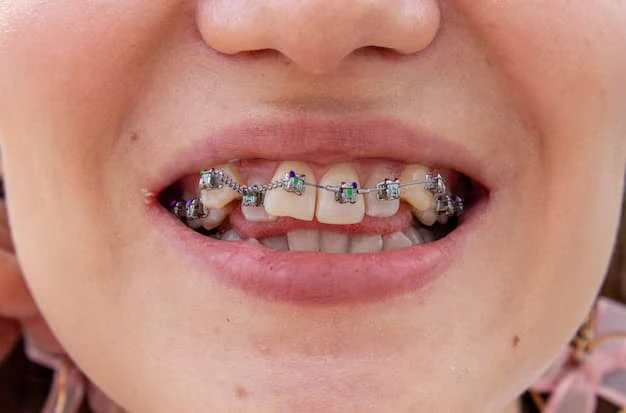
Impacted teeth may exert pressure on nearby molars. This pressure can cause structural damage, bone loss, or shifting of the teeth. Removing the wisdom teeth creates more space and helps maintain proper alignment.
Reducing Pain and Discomfort
Some individuals experience ongoing pain due to the pressure created by the wisdom teeth. Extraction can offer relief and prevent future discomfort caused by infection or impaction.
Why Oral Surgeons Often Perform the Procedure
Specialized Training and Expertise
Oral surgeons receive extensive training beyond general dentistry. They specialize in diagnosing and treating complex issues related to the jaw, teeth, and facial structures. Their expertise is especially valuable when wisdom teeth are impacted, angled, or located close to nerves.
Advanced Equipment and Techniques
These specialists use advanced imaging tools to view the exact position of the wisdom teeth. With this information, they plan the extraction carefully. Modern techniques allow for precise removal that minimizes discomfort and reduces the risk of complications.
Initial Consultation for Wisdom Teeth Removal
Comprehensive Examination
During the first appointment, the oral surgeon evaluates the mouth and jaws. This includes a review of medical history, symptoms, and any discomfort the patient has experienced. The specialist looks for signs of swelling, infection, or misalignment.
Diagnostic Imaging
X rays or scans give a detailed view of the roots and surrounding structures. This imaging helps the specialist evaluate the shape and position of each tooth. It also helps identify potential concerns that may affect the extraction process.
Discussion of Treatment Options
After the examination, the oral surgeon explains the best approach for removing the wisdom teeth. The patient learns about the recommended technique, expected benefits, and any possible risks. This discussion ensures the patient feels informed before moving forward.
Preparing for the Wisdom Teeth Removal Procedure
Reviewing Instructions
Before the procedure, patients receive instructions regarding food, medications, and transportation. Since many individuals choose sedation, the specialist may advise not eating for a specific period before the appointment.
Choosing Sedation or Anesthesia
Oral surgeons use different forms of sedation depending on the complexity of the extraction and the patient’s comfort level. Options may include local anesthesia, oral sedation, or deeper forms of sedation. The goal is to ensure a smooth and comfortable experience.
What Happens During Wisdom Teeth Removal
Numbing the Area
The procedure begins with numbing the gums and surrounding tissues. This ensures that the patient remains comfortable throughout the extraction. If sedation is used, it begins working shortly after the start of the appointment.
Accessing the Wisdom Teeth
For impacted teeth, the surgeon may need to gently lift the gum tissue to reach the tooth. With a clear view of the tooth and its position, the specialist can remove it safely and efficiently.
Removing the Tooth
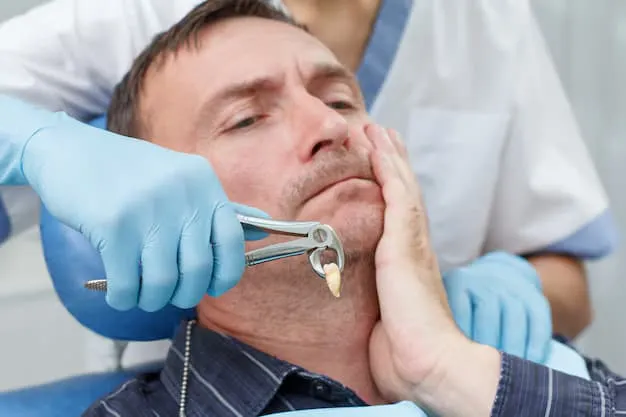
Depending on the position of the tooth, the surgeon may remove it in stages or as a whole. The goal is to extract the tooth while minimizing stress on the surrounding tissues. A careful and controlled technique helps reduce swelling and promotes faster healing.
Cleaning the Site and Closing the Area
After the tooth is removed, the surgeon cleans the extraction site to remove any debris. Sutures may be placed to help the gums heal properly. These sutures often dissolve on their own over time.
What to Expect After the Procedure
Immediate Recovery
After the removal, patients are monitored until the sedation wears off. At this point, they can go home with a companion. The oral surgeon provides instructions for managing swelling, discomfort, and bleeding.
Managing Swelling and Discomfort
Swelling around the cheeks is common for a few days. Cold packs can help reduce swelling, while recommended medications help manage discomfort. Patients should rest and avoid strenuous activities during the early recovery period.
Following a Soft Food Diet
For the first few days, soft foods are recommended. Items like smoothies, yogurt, soups, and mashed vegetables allow the mouth to heal without irritation. Gradually, patients can return to their normal diet as healing progresses.
Maintaining Oral Hygiene
Proper hygiene is important but must be done gently. Patients may be advised to rinse with a mild solution after the first day to keep the extraction site clean. Brushing should continue but without disturbing the healing area.
Potential Risks and How They Are Managed
Dry Socket
Dry socket occurs when the blood clot in the extraction site becomes dislodged. It can cause discomfort and slow the healing process. Following aftercare instructions helps prevent this condition.
Swelling and Bruising
Both are common and typically fade within a week. Cold compresses and rest support faster recovery.
Infection
Although rare, infections can occur if bacteria enter the extraction site. Oral surgeons provide instructions to help prevent infections and may prescribe medication if needed.
Long Term Benefits of Wisdom Teeth Removal
Protecting Oral Health
Removing problematic wisdom teeth helps prevent future infections, decay, and oral discomfort. This supports long term oral health and reduces the likelihood of complex dental treatments later in life.
Maintaining Proper Alignment
Crowding can affect the appearance and function of the teeth. By removing wisdom teeth early, patients help maintain proper spacing and protect the natural alignment of their smiles.
Enhancing Daily Comfort
For many people, removing wisdom teeth brings long lasting comfort. They no longer experience the pressure, swelling, or irritation caused by impacted teeth.
Conclusion
Wisdom teeth removal is a common procedure that helps prevent future oral health problems and protects the natural alignment of the teeth. Oral surgeons play an important role in ensuring the extraction is safe, precise, and comfortable. Through careful evaluation, advanced techniques, and detailed follow up care, patients can expect a smooth experience and a healthy recovery. For trusted wisdom teeth removal services and professional support, individuals can rely on Clove Dental River park.


























Sign in to leave a comment.