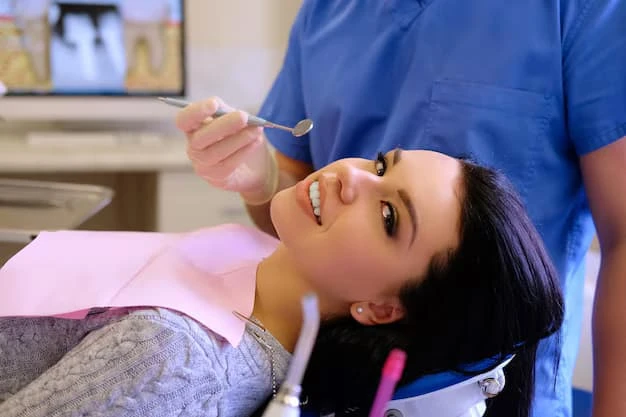

Protecting children and teenagers from tooth decay is a top priority for parents. While regular brushing, flossing, and dental checkups play a major role in maintaining oral health, these steps alone may not always be enough. One highly effective preventive solution that many parents are turning to is dental sealants. Designed especially for kids and teens, dental sealants provide an extra layer of defense against cavities during the years when teeth are most vulnerable.
This article explains what dental sealants are, how they work, and why they are often recommended for children and adolescents. It also addresses common questions parents have so they can make informed decisions about their child’s dental care.
Understanding Dental Sealants
What Are Dental Sealants
Dental sealants are thin, protective coatings applied to the chewing surfaces of the back teeth. These surfaces often have deep grooves and pits that can trap food particles and bacteria. Even with good brushing habits, these areas can be difficult to clean thoroughly. Dental sealants flow into these grooves and create a smooth surface that is easier to keep clean.
Sealants are typically made from a safe, tooth colored resin material. Once applied, they act as a barrier that helps prevent plaque and acids from attacking the enamel. The goal is not to replace brushing or flossing, but to enhance overall protection against tooth decay.
Why Back Teeth Need Extra Protection
The molars and premolars play a major role in chewing food. Because of their shape, they are more prone to cavities than front teeth. Children and teens are especially at risk since their brushing skills are still developing and their diets may include sugary snacks or drinks.
Studies have consistently shown that a large percentage of cavities in young people develop on the chewing surfaces of back teeth. Dental sealants target this high risk area directly, making them a powerful preventive tool.
How Dental Sealants Work
The Application Process
One of the advantages of dental sealants is how simple and painless the procedure is. The process usually involves the following steps:
First, the tooth is thoroughly cleaned to remove plaque and debris. Next, the surface is gently prepared so the sealant can bond effectively. The sealant material is then applied to the grooves of the tooth and hardened using a special light. Once set, the sealant forms a strong protective layer.
The entire procedure is quick and comfortable. It does not require drilling, needles, or removal of tooth structure. Children and teens can return to normal activities immediately after the appointment.
How Sealants Prevent Cavities
Dental sealants work by sealing off the tiny pits and grooves where bacteria often hide. By creating a smooth surface, sealants reduce the chances of food particles getting trapped. This helps lower the risk of acid production that leads to enamel breakdown and cavities.
Sealants are particularly effective during the years when permanent teeth are newly erupted. At this stage, enamel may still be less resistant to decay, making additional protection especially valuable.
Benefits of Dental Sealants for Kids and Teens
Strong Protection During High Risk Years
Childhood and adolescence are periods when cavity risk is high. Changes in diet, inconsistent oral hygiene, and busy schedules can all contribute to tooth decay. Dental sealants provide continuous protection during these critical years.
Research has shown that children with dental sealants experience significantly fewer cavities compared to those without them. This long term benefit can help reduce the need for fillings or more complex treatments later on.
A Cost Effective Preventive Option
Preventive care is often more affordable than restorative treatment. The cost of applying dental sealants is generally much lower than the cost of treating cavities with fillings or crowns. By preventing decay, sealants can help families avoid unexpected dental expenses in the future.
Many dental insurance plans also recognize the value of sealants and may cover them for children and teens. This makes sealants an accessible option for many families.
Supporting Overall Oral Health
Dental sealants complement daily oral hygiene habits. When combined with brushing, flossing, and regular dental visits, sealants contribute to a strong foundation for lifelong oral health. Children who grow up with fewer dental issues often develop more positive attitudes toward dental care.
Who Should Get Dental Sealants
Ideal Age for Sealants
Dental sealants are most commonly recommended for children when their first permanent molars appear. This usually happens around the age of six. A second set of molars typically erupts around the age of twelve, and these teeth can also benefit from sealants.
Teenagers who did not receive sealants earlier may still be good candidates, especially if their teeth are free of decay. Applying sealants sooner rather than later helps protect teeth before cavities have a chance to develop.
Are Sealants Suitable for Baby Teeth
In some cases, dental sealants may also be applied to baby teeth. This is more likely if a child has deep grooves or a high risk of cavities. Protecting baby teeth is important because they help maintain proper spacing for permanent teeth and support healthy chewing and speech development.
A dental professional can assess whether sealants are appropriate based on each child’s unique needs.
Safety and Effectiveness of Dental Sealants
Are Dental Sealants Safe
Dental sealants have been used for decades and are considered safe for children and teens. The materials used are carefully tested and approved for dental use. The amount of material applied is minimal, and the procedure does not involve pain or discomfort.
Parents who have concerns about materials or allergies are encouraged to discuss them with a dental professional. In most cases, sealants are well tolerated and pose no risk to overall health.
How Long Do Sealants Last
Dental sealants are durable but not permanent. On average, they can last several years before needing repair or replacement. During regular dental checkups, sealants are examined to ensure they remain intact and effective.
If a sealant becomes worn or chipped, it can usually be repaired easily. With proper care and monitoring, sealants can provide long lasting protection throughout childhood and adolescence.
Dental Sealants and Daily Oral Care
Do Sealants Replace Brushing and Flossing
Dental sealants are an added layer of protection, not a replacement for daily oral hygiene. Brushing twice a day with fluoride toothpaste and flossing daily are still essential habits. Sealants protect the chewing surfaces, but other areas of the teeth remain vulnerable to plaque and decay.
Encouraging consistent oral care routines helps maximize the benefits of dental sealants and supports overall dental health.
Diet and Sealant Effectiveness
A balanced diet plays an important role in preventing cavities. Limiting sugary snacks and drinks helps reduce the amount of acid produced by bacteria in the mouth. When combined with dental sealants, healthy eating habits further lower the risk of tooth decay.
Teaching children and teens about smart food choices can reinforce the protective effects of sealants and promote long term oral wellness.
Common Questions Parents Ask About Dental Sealants
Can Sealants Be Applied Over Cavities
Dental sealants are most effective when applied to healthy teeth. If a tooth already has decay, it may require a different type of treatment. In some cases, very early stages of decay can be managed with sealants, but this decision should be made by a dental professional after a thorough examination.
Will Sealants Affect How Teeth Feel or Look
Dental sealants are designed to be thin and comfortable. Most children do not notice any difference in how their teeth feel after application. The sealants are usually clear or tooth colored, so they blend in naturally with the teeth and do not affect appearance.
Are Sealants Only for Children
While dental sealants are most commonly associated with kids and teens, adults can also benefit from them in certain situations. Adults who are prone to cavities or have deep grooves in their teeth may be candidates. However, the greatest benefit is typically seen when sealants are applied early in life.
The Role of Preventive Dentistry in Childhood
Building Healthy Habits Early
Preventive dentistry focuses on stopping problems before they start. Dental sealants are a prime example of this approach. By protecting teeth during childhood and adolescence, sealants help reduce the likelihood of dental issues in adulthood.
Children who experience fewer cavities often feel more confident and comfortable during dental visits. This positive experience can encourage them to maintain regular dental care throughout their lives.
Partnering With Dental Professionals
Parents play a crucial role in supporting their child’s oral health, but professional guidance is equally important. Regular dental checkups allow for early detection of potential issues and timely preventive measures such as dental sealants.
A personalized dental care plan ensures that each child receives the protection and education they need for a healthy smile.
Conclusion
Dental sealants are a simple, safe, and effective way to protect kids and teens from cavities during their most vulnerable years. By sealing the grooves of back teeth, dental sealants help block out bacteria and food particles that lead to decay. When combined with good oral hygiene and healthy eating habits, they provide strong preventive support for growing smiles.
Parents looking to safeguard their children’s oral health can benefit from learning more about this preventive option and discussing it with a trusted dental professional. For families seeking expert guidance and preventive dental care, Clove Dental Riverpark is committed to supporting healthy smiles for kids and teens through every stage of growth.



























Sign in to leave a comment.