
Ensuring fire safety in any building is a crucial aspect of risk management and regulatory compliance. Conducting a thorough Fire Audit helps identify potential hazards and weaknesses in fire prevention and response systems. The Safety Master, with its extensive expertise in safety audits, provides detailed evaluations to help organizations enhance their fire safety measures. In this article, we will discuss common findings in fire audits and practical solutions to address them, demonstrating our commitment to Experience, Expertise, Authoritativeness, and Trustworthiness (E-E-A-T).
Introduction to Fire Audits
A fire audit is an essential process that evaluates the fire safety measures of a facility. It includes a comprehensive examination of fire prevention systems, emergency response protocols, and overall preparedness. Regular fire audits ensure that all safety standards are met and that the building\'s occupants are protected from fire-related incidents.
Common Findings in Fire Audits
1. Faulty Fire Alarm Systems
One of the most common findings in fire audits is faulty fire alarm systems. These can include issues such as non-functional alarms, inadequate coverage, or outdated systems that do not comply with current regulations.
How to Address It:
- Regular Maintenance: Schedule regular inspections and maintenance of fire alarm systems to ensure they are operational.
- Upgrade Systems: Replace outdated alarms with modern, compliant systems that offer better detection and alert capabilities.
- Training: Ensure staff are trained to recognize and respond to alarm signals appropriately.
2. Blocked Emergency Exits
Blocked or inaccessible emergency exits are a critical safety hazard. During a fire audit, it is common to find exits obstructed by furniture, storage items, or even locked doors.
How to Address It:
- Clear Pathways: Regularly inspect and clear all emergency exit routes of any obstructions.
- Signage and Lighting: Ensure that exits are clearly marked with illuminated signs and that emergency lighting is functional.
- Regular Drills: Conduct regular fire drills to familiarize occupants with exit routes and procedures.
3. Insufficient Fire Extinguishers
Another frequent issue identified during fire audits is the insufficient number of fire extinguishers or improperly maintained extinguishers.
How to Address It:
- Adequate Placement: Ensure fire extinguishers are placed in accessible locations throughout the building, especially in high-risk areas.
- Regular Inspections: Conduct monthly inspections to check the condition and pressure of fire extinguishers.
- Training: Train employees on the proper use of fire extinguishers through regular safety training sessions.
4. Poor Fire Safety Signage
Inadequate or poor fire safety signage can lead to confusion during an emergency. This includes signs that are not visible, not compliant with safety standards, or not present at all.
How to Address It:
- Install Compliant Signage: Use signage that meets regulatory standards and is easily visible.
- Regular Updates: Update signage as needed, especially after any changes in the building layout or usage.
- Visibility Checks: Ensure signs are not obstructed and are well-lit at all times.
5. Non-Functional Sprinkler Systems
Non-functional or inadequate sprinkler systems can severely compromise a building’s fire safety. Issues can include blocked sprinklers, improper installation, or lack of regular testing.
How to Address It:
- Routine Testing: Conduct regular testing and maintenance of sprinkler systems to ensure they are operational.
- Professional Inspections: Hire professionals for periodic inspections and compliance checks.
- Clearance Maintenance: Ensure sprinkler heads are clear of obstructions and properly maintained.
Importance of a Process Safety Audit
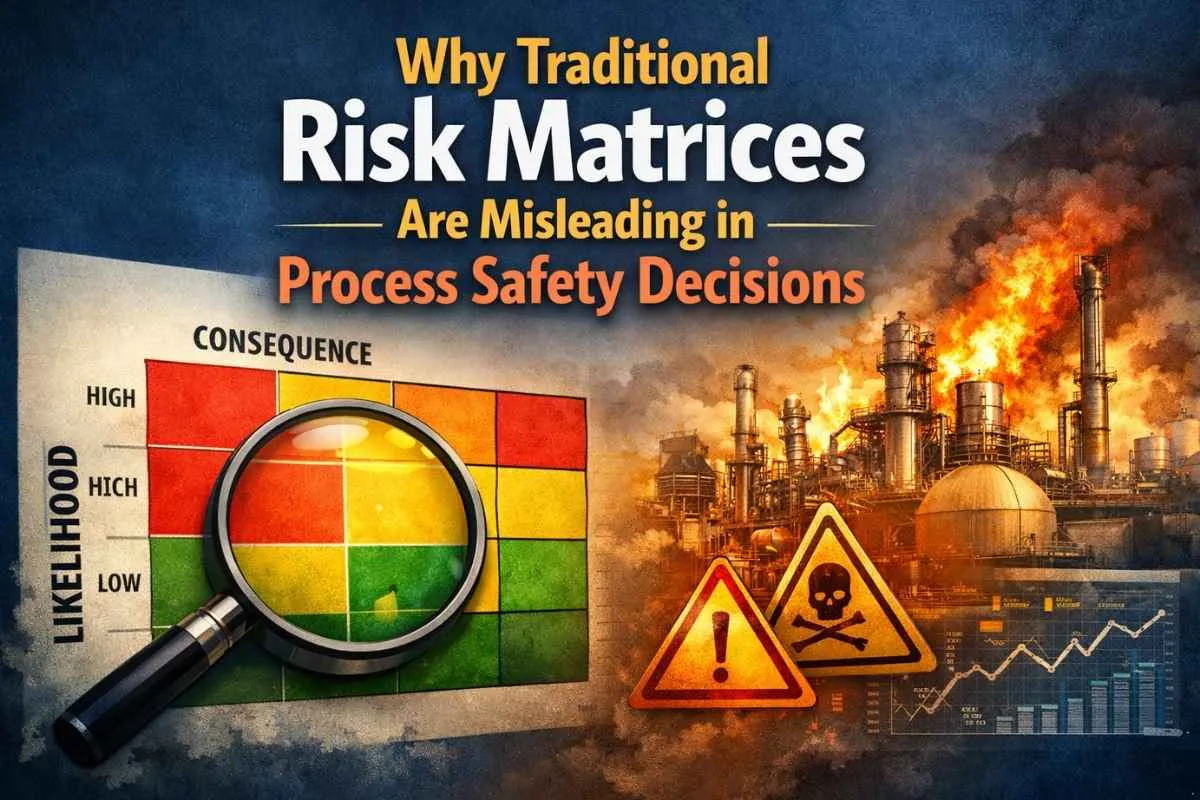
In addition to fire audits, conducting a Process Safety Audit is essential for facilities with complex operations and hazardous materials. This type of audit focuses on the identification and mitigation of risks associated with industrial processes.
Key Components:
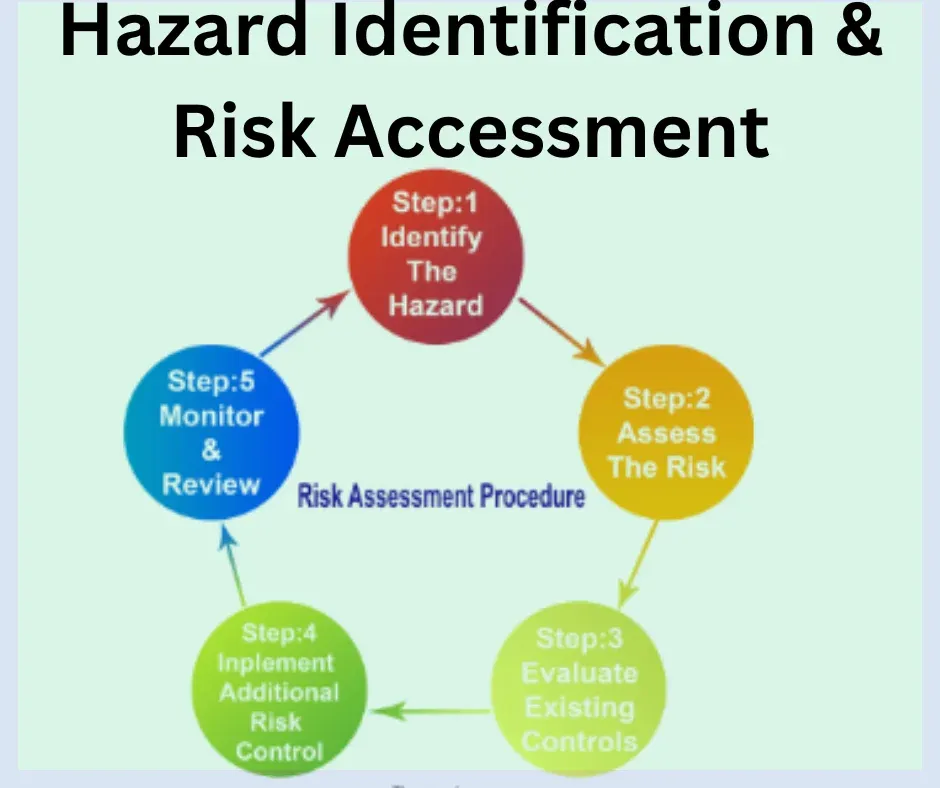
- Hazard Identification: Recognizing potential hazards in industrial processes.
- Risk Assessment: Evaluating the likelihood and impact of identified hazards.
- Safety Measures: Implementing measures to control and mitigate risks.
Benefits:
- Improved Safety: Enhanced safety protocols reduce the risk of incidents.
- Regulatory Compliance: Ensures compliance with safety regulations and standards.
- Operational Efficiency: Identifying and addressing risks can lead to more efficient and reliable operations.
Conclusion
Fire audits are a critical component of maintaining a safe environment for building occupants. Common issues such as faulty fire alarms, blocked exits, insufficient extinguishers, poor signage, and non-functional sprinkler systems must be addressed promptly to ensure safety and compliance. Partnering with experts like The Safety Master ensures that these issues are identified and resolved effectively.
Regular fire audits, coupled with comprehensive process safety audits, are essential for mitigating risks and enhancing overall safety. By addressing these common findings, organizations can protect their people, property, and operations from the devastating effects of fire.


























Sign in to leave a comment.