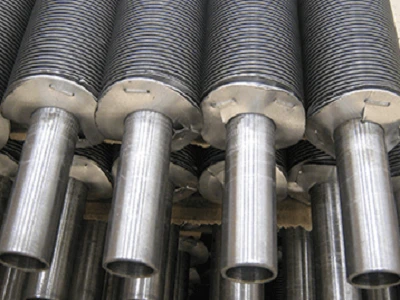

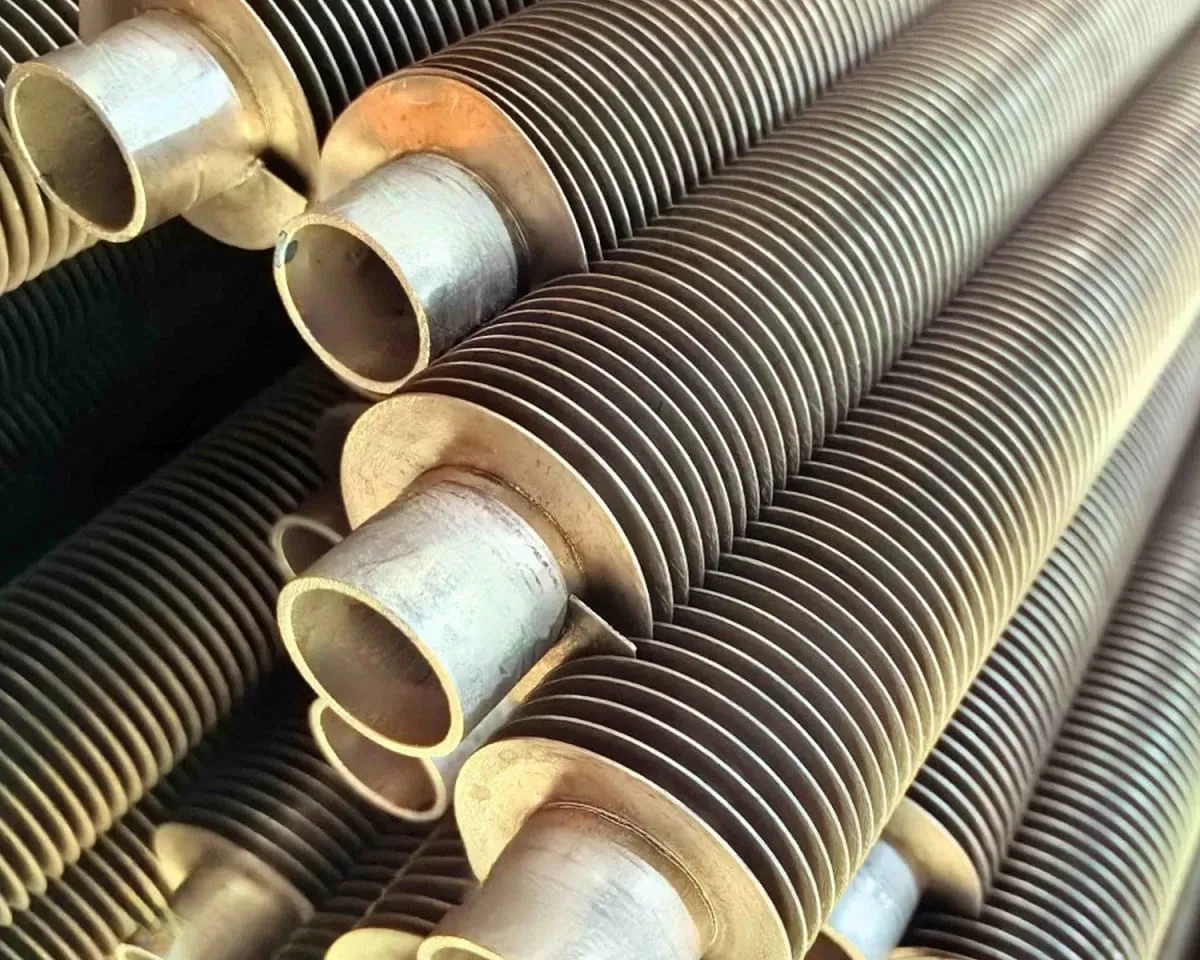
Finned tubes play a vital role in heat exchangers and thermal transfer systems across industries such as power generation, oil & gas, petrochemical, HVAC, and more. Their ability to increase heat transfer efficiency makes them indispensable. However, like any mechanical component exposed to high temperatures, pressure, and corrosive environments, finned tubes are prone to certain types of failures. Understanding these failures—and learning how to prevent them—is crucial for ensuring the longevity and performance of your equipment.
In this blog, we’ll explore the most common types of finned tube failures, their root causes, and effective prevention methods to help extend the lifespan of your heat exchanger systems.
1. Corrosion-Induced Failures
Overview:
Corrosion is one of the leading causes of finned tube degradation. It can occur internally due to the fluid being transported or externally from environmental exposure, especially when the system operates in humid, salty, or chemically active atmospheres.
Types of Corrosion:
- Uniform Corrosion: General thinning of the tube wall over time.
- Galvanic Corrosion: Happens when two dissimilar metals are in contact in a corrosive medium.
- Pitting Corrosion: Localized corrosion that creates small pits or holes in the tube surface.
- Crevice Corrosion: Forms under deposits or in areas with restricted fluid flow.
Prevention Tips:
- Select corrosion-resistant materials such as stainless steel or copper-nickel alloys.
- Apply protective coatings or surface treatments to prevent direct exposure to corrosive agents.
- Regularly inspect and clean finned tubes to remove dirt, salt, or chemical buildup.
- Use inhibitors or neutralizing agents in the fluid medium if possible.
2. Erosion and Abrasion
Overview:
Erosion occurs when high-velocity fluids or particulate matter strike the inner or outer surface of the tube, gradually wearing it down. Abrasion may also occur due to contact between fins or other mechanical components during vibration.
Causes:
- Improper flow velocity in the heat exchanger.
- Presence of abrasive particles in the fluid.
- Poor filtration or fluid contamination.
Prevention Tips:
- Maintain optimum flow rates within recommended limits.
- Install effective filters or strainers in the system.
- Use thicker tube walls or harder alloys for high-velocity operations.
- Ensure proper alignment and secure installation to avoid mechanical abrasion.
3. Thermal Fatigue and Cracking
Overview:
Finned tubes experience constant expansion and contraction due to temperature fluctuations. Over time, this thermal cycling can cause stress fatigue, leading to cracks and eventual failure.
Causes:
- Repeated heating and cooling cycles.
- Uneven temperature distribution within the tube bundle.
- Rapid start-up and shutdown procedures.
Prevention Tips:
- Use materials with high thermal fatigue resistance such as stainless steel or nickel alloys.
- Avoid sudden temperature changes; allow gradual heating and cooling.
- Design the system to allow uniform temperature distribution.
- Inspect regularly for early signs of cracking or deformation.
4. Fouling and Scaling
Overview:
Fouling occurs when unwanted materials like dust, soot, oil, or minerals accumulate on the tube surface, reducing heat transfer efficiency and increasing pressure drop. Scaling, a type of fouling, involves mineral deposits from hard water or process fluids.
Consequences:
- Reduced thermal performance.
- Overheating and tube wall stress.
- Increased energy consumption.
Prevention Tips:
- Implement a regular cleaning schedule using mechanical or chemical methods.
- Use treated water or clean process fluids to minimize scaling.
- Install filters and strainers to keep debris out.
- Employ anti-fouling coatings where possible.
5. Fin Detachment or Damage
Overview:
Fins can detach or deform due to thermal expansion, mechanical vibration, or improper manufacturing processes. Detached fins drastically reduce the heat transfer surface area and system efficiency.
Causes:
- Poor fin bonding or welding.
- Excessive vibration in the system.
- Mechanical impact during maintenance or handling.
Prevention Tips:
- Choose high-quality finned tubes from reliable manufacturers like Anand Seamless Limited, known for precision fin attachment and durable construction.
- Ensure proper installation and vibration isolation in your system.
- Handle tubes carefully during transport and maintenance.
6. Stress Corrosion Cracking (SCC)
Overview:
SCC is a combined effect of tensile stress and corrosive environment leading to cracking in susceptible materials. It can cause sudden and catastrophic tube failure even when the corrosion rate is low.
Causes:
- Presence of chlorides or other aggressive ions.
- High residual stress from fabrication or operation.
- Elevated temperatures.
Prevention Tips:
- Use low-stress design and high-quality welding techniques.
- Select SCC-resistant materials like duplex stainless steel.
- Control the environment by removing chloride ions and maintaining stable temperature conditions.
7. Mechanical Vibration and Fatigue
Overview:
Excessive vibration due to turbulent flow, mechanical imbalance, or improper support can lead to tube wear and fatigue over time. This not only damages the tubes but can also loosen the fin attachments.
Prevention Tips:
- Ensure proper tube bundle support and alignment.
- Balance flow distribution to minimize vibration.
- Use vibration dampers or stabilizers in high-flow systems.
- Monitor vibration levels regularly during operation.
8. Manufacturing Defects
Overview:
Sometimes, failures originate from flaws during the manufacturing process—such as poor fin bonding, improper welding, or inconsistent material quality. These defects can manifest after prolonged use under high stress.
Prevention Tips:
- Source finned tubes only from certified and experienced manufacturers.
- Inspect all tubes visually and through non-destructive testing before installation.
- Ensure adherence to international quality standards like ASTM or ASME.
9. Improper Installation or Maintenance
Overview:
Even the best-quality finned tubes can fail prematurely if installed incorrectly or maintained poorly. Misalignment, over-tightening, or neglecting cleaning can all lead to operational issues.
Prevention Tips:
- Follow manufacturer’s installation guidelines carefully.
- Use trained technicians for maintenance and inspection.
- Keep records of cleaning schedules and operating parameters.
- Inspect connections and fittings regularly for leaks or looseness.
Conclusion
Finned tube failures can be costly—not just in terms of replacement but also due to downtime and reduced efficiency. However, most failures are preventable through proper material selection, regular maintenance, and vigilant monitoring of operating conditions.
By understanding the root causes of corrosion, erosion, fatigue, and fouling, industries can implement proactive strategies to enhance system reliability and performance.
At Anand Seamless Limited, we manufacture high-quality finned tubes designed to withstand the toughest operational environments. Our products are engineered with precision and tested for durability to ensure maximum efficiency and long service life. Whether you need standard or customized finned tubes, our expert team provides solutions tailored to your specific heat transfer requirements.
Investing in reliable finned tubes today means fewer failures, lower maintenance costs, and better system performance tomorrow.

























Sign in to leave a comment.