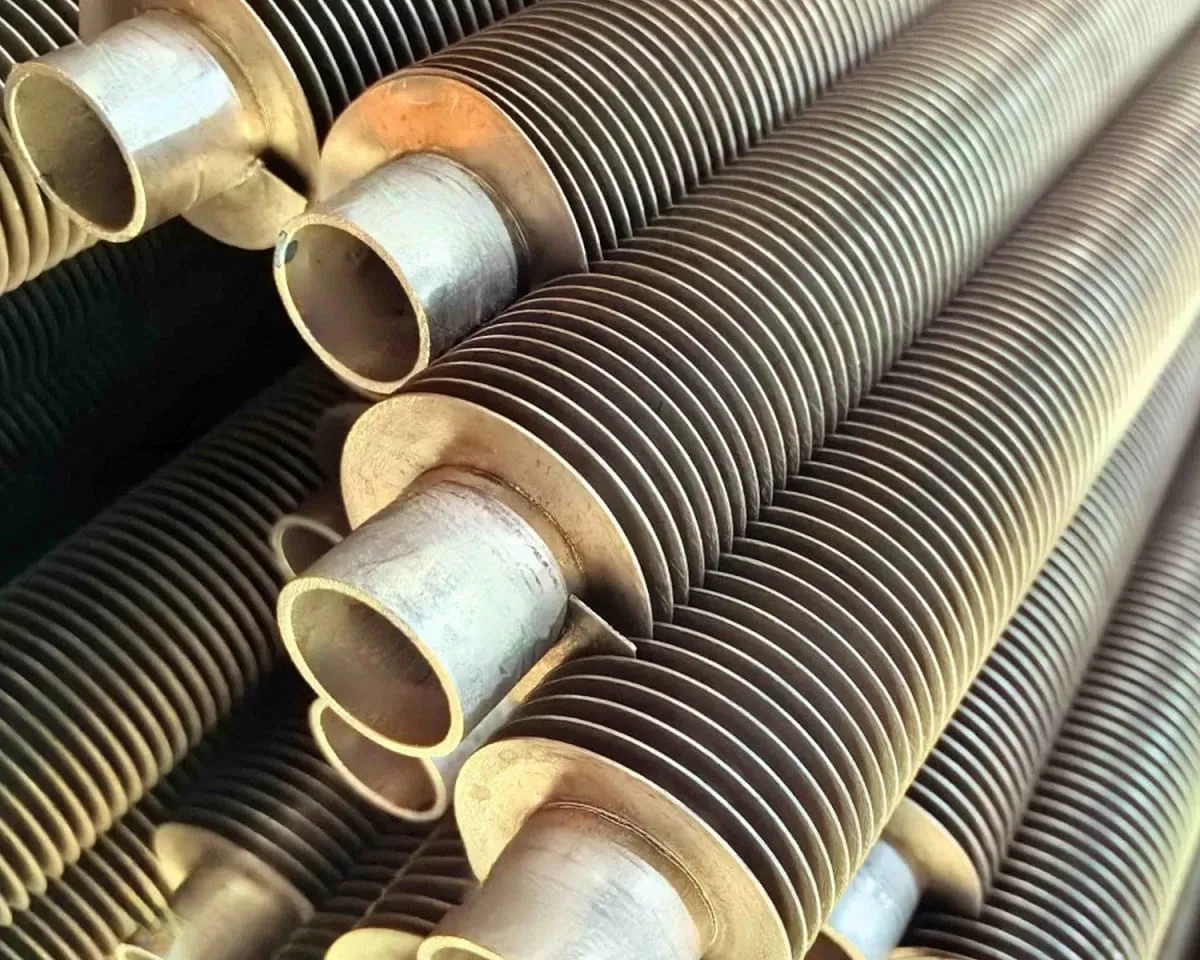

Finned tubes are critical components in heat exchangers, boilers, and air-cooling systems, where they enhance heat transfer efficiency by increasing the surface area. While these tubes are designed to perform reliably under demanding conditions, improper installation can compromise their efficiency, shorten their lifespan, and lead to costly downtime. Understanding the most common installation mistakes—and how to avoid them—can save you significant time and expense.
This comprehensive guide explores the top finned tube installation errors and provides actionable tips to ensure a safe, efficient, and long-lasting setup.
1. Inadequate Pre-Installation Inspection
The Mistake:
Skipping or rushing the inspection process before installation is a frequent oversight. Many teams assume that factory-supplied finned tubes are flawless, overlooking damage that can occur during shipping or storage.
Consequences:
- Small dents or bends can restrict airflow and reduce heat transfer efficiency.
- Microscopic surface defects may accelerate corrosion or cause leaks.
How to Prevent It:
- Conduct a thorough visual inspection for dents, scratches, or corrosion.
- Use a borescope or similar tools to check internal surfaces for debris or contamination.
- Verify that tube dimensions and material grades match project specifications.
2. Improper Handling and Storage
The Mistake:
Finned tubes are often mishandled during transport or stored in unsuitable conditions, such as damp or dusty environments.
Consequences:
- Fins may become bent, reducing the effective heat transfer area.
- Moisture can initiate corrosion even before installation begins.
How to Prevent It:
- Store finned tubes in a clean, dry, and covered area away from direct sunlight and moisture.
- Use padded supports or racks to prevent bending or scratching during storage and handling.
- Always lift tubes using proper slings or padded equipment, avoiding contact with the fins.
3. Incorrect Alignment During Installation
The Mistake:
Misalignment of finned tubes during assembly is a common issue, especially when working with large bundles or complex layouts.
Consequences:
- Misaligned tubes can lead to uneven airflow or liquid flow, causing hot spots and reducing system efficiency.
- Stress on the tube joints can increase the risk of leaks.
How to Prevent It:
- Follow the manufacturer’s layout drawings precisely.
- Use alignment tools or jigs to ensure each tube is correctly positioned.
- Double-check alignment after tightening supports or clamps.
4. Over-tightening or Loose Fastening
The Mistake:
Applying either too much or too little torque on the tube supports, clamps, or fittings can lead to serious performance issues.
Consequences:
- Over-tightening may deform fins or damage the tube wall, creating weak points for future leaks.
- Loose fittings can allow vibration, leading to premature wear and noise.
How to Prevent It:
- Use calibrated torque wrenches to meet recommended torque specifications.
- Train personnel on proper tightening techniques and conduct periodic checks during installation.
5. Poor Cleaning Practices
The Mistake:
Installing finned tubes without removing debris, oils, or protective coatings can obstruct heat transfer and introduce contaminants into the system.
Consequences:
- Residual oil or dirt can act as an insulating layer, reducing thermal performance.
- Contaminants may react chemically, causing localized corrosion.
How to Prevent It:
- Clean tubes with appropriate solvents or detergents as specified by the manufacturer.
- Rinse with deionized water and dry thoroughly before installation.
- Implement a final quality-control inspection to confirm cleanliness.
6. Ignoring Thermal Expansion Requirements
The Mistake:
Overlooking the natural expansion and contraction of finned tubes during operation is a critical design and installation flaw.
Consequences:
- Without adequate expansion allowances, tubes can warp, crack, or loosen at joints.
- Continuous thermal stress shortens equipment life and increases maintenance costs.
How to Prevent It:
- Design the system with expansion joints or flexible supports where necessary.
- Follow manufacturer guidelines on spacing and mounting to accommodate thermal movement.
7. Inadequate Sealing or Improper Gasketing
The Mistake:
Improperly installed gaskets or seals can lead to leaks, especially in high-pressure or high-temperature applications.
Consequences:
- Leaks reduce system efficiency and can cause safety hazards.
- Moisture ingress accelerates corrosion on both the tube and surrounding equipment.
How to Prevent It:
- Select gasket materials compatible with the operating environment (temperature, pressure, and fluid type).
- Ensure proper alignment and uniform tightening of flanges and seals.
- Inspect seals regularly during initial system testing.
8. Skipping Pressure and Leak Testing
The Mistake:
Some installations go live without thorough pressure or leak testing, assuming factory testing is enough.
Consequences:
- Undetected leaks can lead to catastrophic failures once the system is operational.
- Small leaks may compromise performance and necessitate costly shutdowns later.
How to Prevent It:
- Conduct hydrostatic or pneumatic pressure tests as per industry standards before full operation.
- Check all joints, fittings, and tube surfaces for signs of leakage or weakness.
- Document test results for future maintenance reference.
9. Ignoring Manufacturer’s Guidelines
The Mistake:
Every finned tube product comes with detailed installation instructions, yet teams sometimes rely on prior experience rather than current specifications.
Consequences:
- Misapplication of torque settings, spacing, or mounting methods can void warranties.
- Failure to follow updated procedures can lead to premature equipment failure.
How to Prevent It:
- Read and follow the manufacturer’s installation manual carefully.
- Provide training sessions to the installation team based on the specific product used.
- Maintain a record of compliance for quality audits.
10. Lack of Post-Installation Inspection and Commissioning
The Mistake:
Failing to conduct a final inspection after installation is complete is a missed opportunity to catch errors before system start-up.
Consequences:
- Minor oversights can escalate into major operational issues once the system is active.
- Misaligned or loosely mounted tubes may go unnoticed until they cause failures.
How to Prevent It:
- Perform a detailed inspection checklist covering alignment, torque settings, and cleanliness.
- Run the system under controlled conditions to monitor temperature and pressure stability.
- Document findings and address any irregularities immediately.
Key Takeaways
Proper installation of finned tubes is just as important as selecting the right product. By avoiding common mistakes such as improper handling, misalignment, over-tightening, and inadequate testing, you can ensure peak performance and extend the lifespan of your equipment.
Partnering with a reputable manufacturer like Anand Seamless Limited ensures that you receive not only high-quality finned tubes but also expert guidance and detailed installation instructions to help your project succeed.
Conclusion
Finned tubes are a vital component in heat transfer systems, and their performance depends heavily on correct installation practices. By following best practices—rigorous inspection, careful handling, precise alignment, proper sealing, and thorough testing—you can avoid costly mistakes and keep your operation running efficiently. Whether you are upgrading an existing system or installing new equipment, attention to detail during installation will pay off in reliability, safety, and long-term savings.
























Sign in to leave a comment.