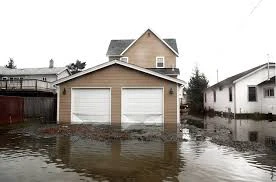

Flood damage is one of the most devastating events a homeowner can experience. The aftermath of a flood leaves homes vulnerable to structural issues, mold growth, and other long-term damages. Restoration is crucial, but if you hurry into it without the right information, you could make expensive blunders. To ensure your flood damage restoration is efficient and effective, here are common pitfalls to avoid.
Ignoring Safety Protocols
One of the most critical mistakes people make after a flood is neglecting safety precautions. Floodwaters often bring contaminants, such as sewage, chemicals, and bacteria, which can pose severe health risks. You may be exposed to dangerous compounds if you enter a flooded region without the appropriate protection equipment, such as boots, gloves, and masks. Additionally, water-damaged electrical systems pose a significant risk of electrocution. Before entering a flooded home, ensure the power supply is turned off and consult a professional if electrical components have been submerged.
Delaying The Cleanup Process
In the restoration of flood damage, time is of the essence. One of the most frequent errors is waiting too long to start the cleanup. Standing water can lead to extensive structural damage and promote mold growth, which begins within 24 to 48 hours after flooding. Procrastinating on water removal and drying increases the chances of secondary damage, which is often more expensive to repair. Begin the cleanup process as soon as it's safe to do so.
Not Properly Assessing The Damage
Rushing into restoration without conducting a thorough assessment is another common misstep. While visible water damage is easy to spot, hidden moisture in walls, ceilings, and floors often goes unnoticed. Failure to identify these areas can lead to ongoing issues like structural weakening and mold growth. Professional moisture detection tools, such as moisture meters and thermal imaging cameras, can help ensure all affected areas are addressed.
Discarding Important Items Prematurely
In the rush to clean up, many homeowners discard items that could have been salvaged. While some belongings, like heavily soaked furniture or porous materials, may need to be thrown away, others can often be restored with professional help. Items such as photographs, documents, and certain types of furniture can be saved with specialized drying and cleaning techniques. Before disposing of anything, consult restoration experts to determine what can be recovered.
Attempting A DIY Restoration
The process of restoring flood damage is intricate and calls for specific knowledge and tools. Many homeowners attempt to handle it themselves to save money, only to find that they've made the problem worse. Inadequate drying methods, improper handling of mold, and insufficient cleaning can all lead to long-term damage and higher costs down the line. Hiring professional flood damage restoration experts ensures the job is done thoroughly and correctly.
Overlooking Mold Prevention
Mold is one of the most common and dangerous consequences of flooding. Ignoring the potential for mold growth during restoration is a mistake that can have serious health implications. Mold spores thrive in damp, humid environments and can spread quickly if not addressed. Using dehumidifiers and ensuring proper ventilation during the drying process is crucial. If mold has already developed, it's essential to hire professionals for remediation, as improper removal can worsen the problem.
Failing To Document The Damage For Insurance
Another frequent oversight is not adequately documenting the flood damage for insurance purposes. Take thorough pictures and videos of the damaged objects and impacted regions before beginning any cleanup. This documentation will serve as evidence when filing your insurance claim. Failure to do so could result in reduced compensation or disputes with your insurer. Additionally, keep receipts for any restoration services or temporary housing costs to support your claim.
Using The Wrong Equipment
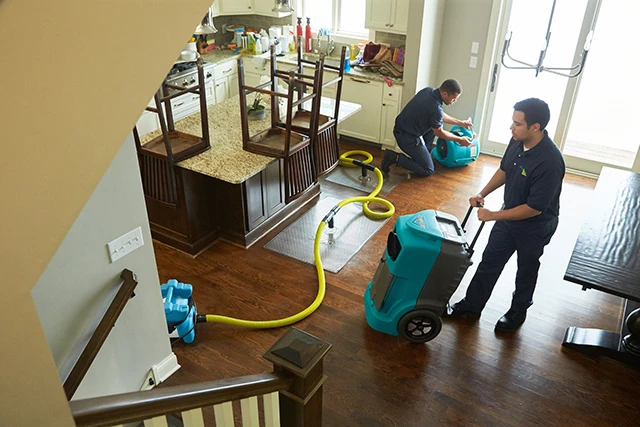
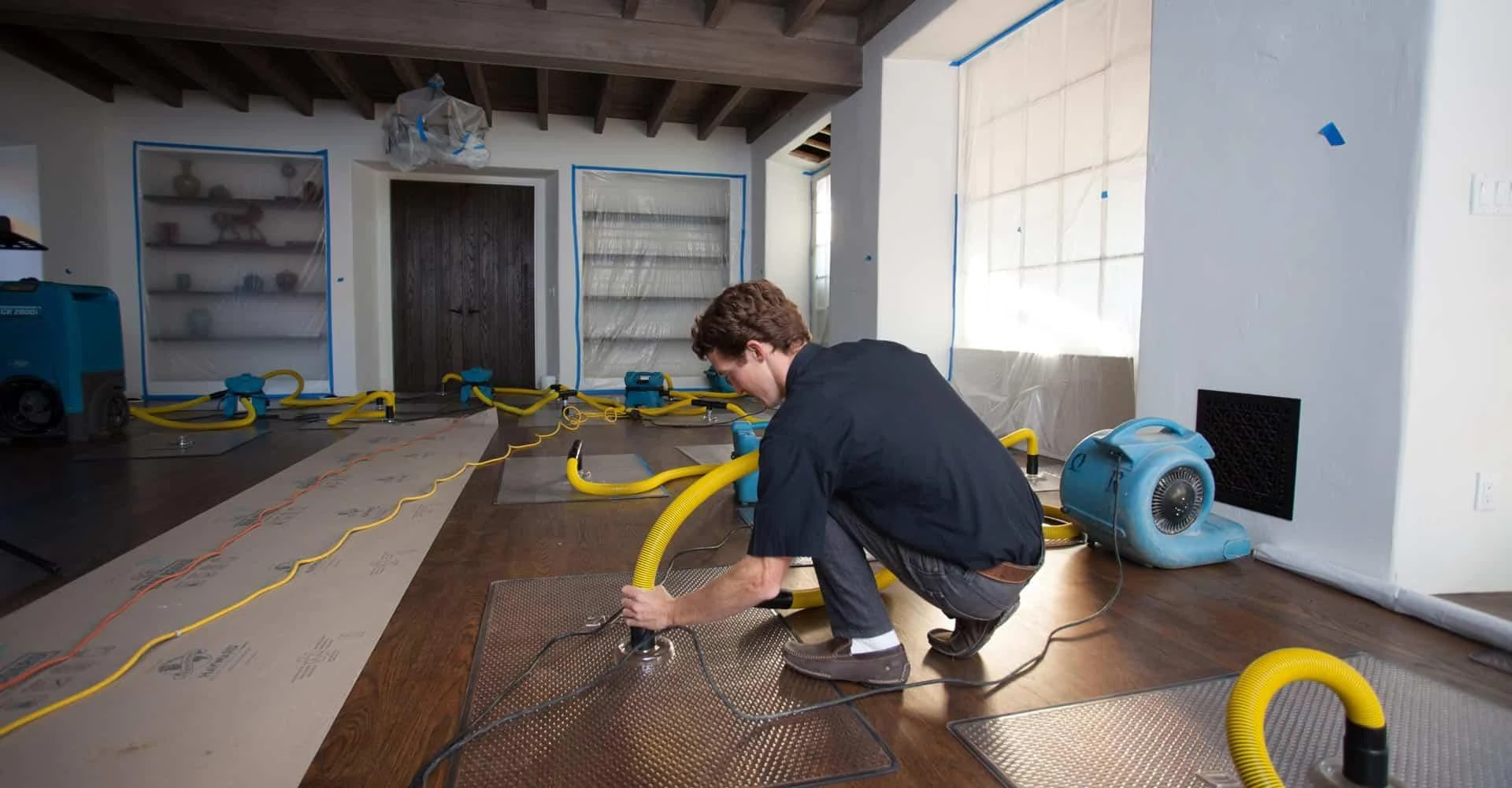
Restoration requires the right tools and equipment to be effective. Many homeowners rely on standard household fans or heaters to dry out their property, but these are often insufficient for extensive water damage. Professional-grade dehumidifiers, air movers, and water extraction tools are necessary to remove moisture thoroughly. Using improper equipment can leave hidden moisture behind, leading to further damage and mold growth.
Ignoring Structural Integrity
Your home's structural stability may be jeopardized by floodwater. Many people focus solely on cosmetic restoration, such as replacing flooring or repainting walls, without addressing underlying structural issues. Damaged foundations, warped wooden frames, and weakened drywall can pose long-term risks if not repaired. Before beginning any cosmetic renovations, make sure your house is secure and sturdy by speaking with a structural engineer or contractor.
Neglecting Emotional Well-Being
Lastly, it's important to acknowledge the emotional toll that flood damage can take. Many homeowners become overwhelmed by the restoration process, leading to stress and burnout. Trying to manage everything on your own can exacerbate these feelings. Never be afraid to seek out expert restoration services, friends, or family to lessen the load. Additionally, take time to prioritize your mental health and well-being throughout the process.
Conclusion
Flood damage restoration is a difficult undertaking, but it may be made easier and more efficient by avoiding typical blunders. By prioritizing safety, acting quickly, and enlisting professional help, you can minimize damage and restore your home to its former condition. Recall that meticulousness and preparation are essential for a good restoration. You can avoid future issues and expensive repairs by taking the proper actions today.

























Sign in to leave a comment.