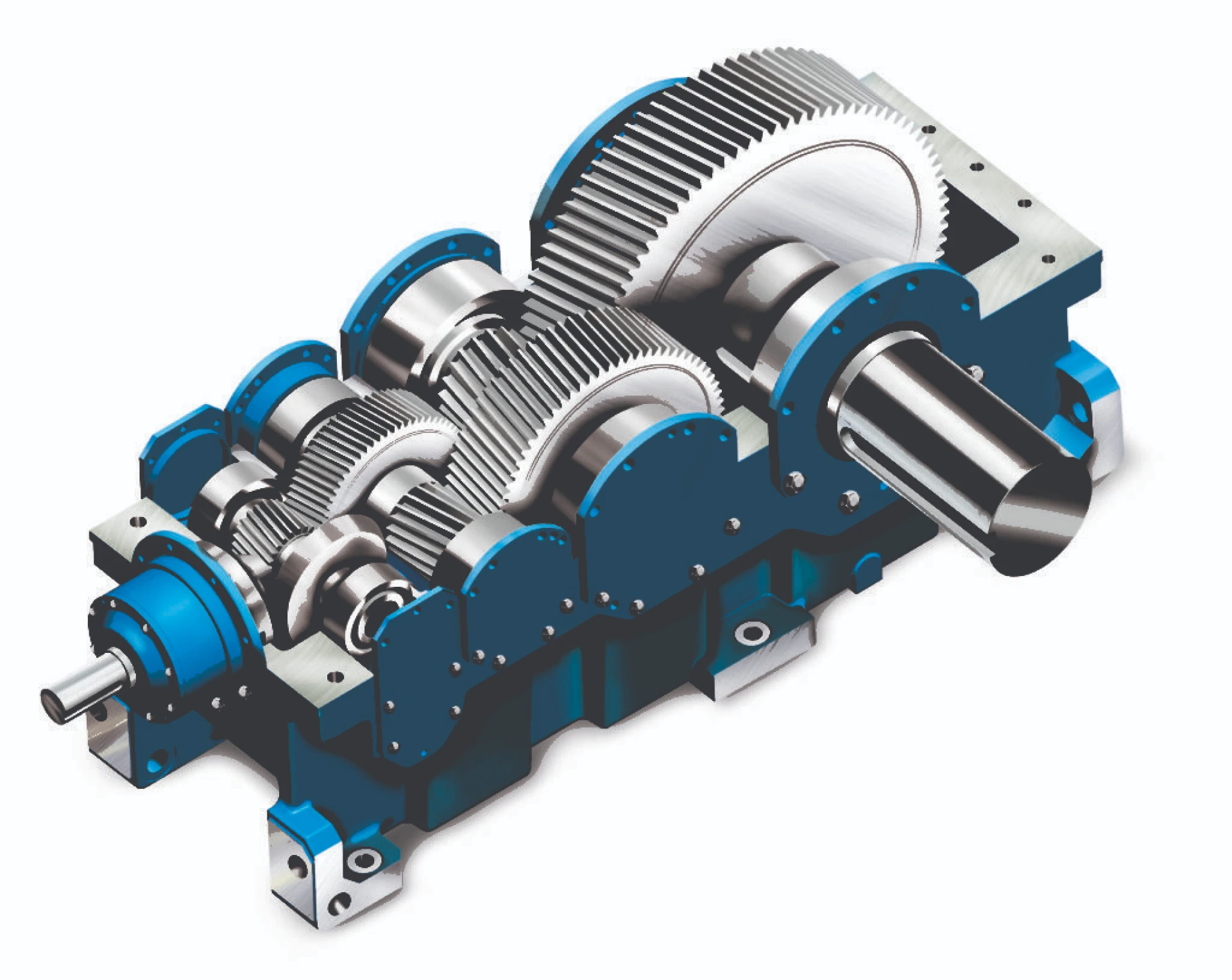

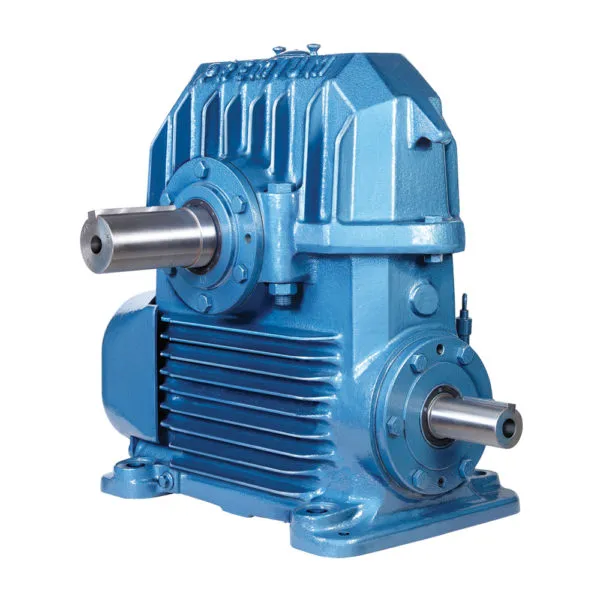
When it comes to selecting the right gearbox for industrial applications, worm gearboxes are a popular choice due to their compact design, high torque output, and smooth operation. However, purchasing the wrong gearbox can lead to higher costs, reduced efficiency, and unnecessary downtime. To ensure you make a smart investment, it’s important to be aware of the most common mistakes buyers make when purchasing worm gearboxes and how to avoid them.
In this blog, we’ll highlight these mistakes, discuss their impact, and provide practical tips so you can choose the best solution for your industrial needs.
1. Overlooking Application Requirements
One of the most common mistakes is buying a worm gearbox without clearly understanding the specific application requirements. Every industrial process is different and requires unique performance characteristics from a gearbox. For example, the torque, speed reduction, duty cycle, and environmental conditions all influence the type of gearbox you should choose.
What to do instead:
- Calculate your exact load and torque requirements.
- Consider the operating environment (temperature, humidity, dust, or corrosive surroundings).
- Ensure the gearbox is rated to handle continuous operation if your machinery runs for long hours.
Failing to align the gearbox with these requirements may result in premature wear or even complete failure.
2. Ignoring Gear Ratio Calculations
Gear ratio plays a critical role in the performance of worm gearboxes. Many buyers overlook this factor, assuming that any gearbox with a high reduction ratio will suffice. However, mismatched ratios can either lead to excessive power consumption or underperformance of the machinery.
What to do instead:
- Work with your technical team or a gearbox expert to determine the ideal gear ratio.
- Remember that worm gearboxes are known for their ability to achieve high reduction ratios in a compact size—leverage this advantage carefully.
Correct ratio calculations not only improve efficiency but also extend the life of the gearbox.
3. Focusing Solely on Price
While budget constraints are common in industrial projects, choosing a worm gearbox based purely on price is a costly mistake. Cheaper options may lack durability, precision, or efficiency, leading to frequent breakdowns and higher maintenance costs in the long run.
What to do instead:
- Balance cost with performance, durability, and after-sales support.
- Consider the total life-cycle cost of the gearbox rather than just the initial purchase price.
Investing in a high-quality industrial gearbox will pay off through better reliability and lower operating costs.
4. Not Checking Material and Build Quality
The material and build quality of a worm gearbox determine its ability to withstand heavy loads and harsh environments. Buyers often overlook these aspects, ending up with gearboxes that corrode, wear out quickly, or fail under stress.
What to do instead:
- Look for gearboxes made with high-grade cast iron or aluminum housing.
- Ensure the gears are properly hardened for durability.
- Verify if the gearbox is designed to resist corrosion and withstand heavy-duty usage.
Choosing a well-built gearbox ensures long-term performance and reduces downtime.
5. Overlooking Efficiency Losses
Worm gearboxes typically have lower efficiency compared to other gear types because of the sliding contact between the worm and wheel. Buyers sometimes ignore this fact and fail to consider how efficiency losses will impact their overall system.
What to do instead:
- Select a gearbox with optimized design and proper lubrication to minimize energy losses.
- For continuous operations, choose models designed with improved thermal management.
By accounting for efficiency early on, you can make sure your energy costs remain under control.
6. Not Considering Maintenance Requirements
Another frequent mistake is ignoring how easy or difficult it is to maintain the worm gearbox. If the gearbox requires frequent maintenance and parts are hard to source, it could lead to costly delays.
What to do instead:
- Choose a gearbox design that allows easy inspection and oil changes.
- Ensure spare parts and service are readily available from the supplier.
- Check if the supplier offers after-sales support and warranties.
A low-maintenance gearbox is a valuable asset in high-demand industrial setups.
7. Buying Without Consulting Experts
Many businesses attempt to purchase gearboxes without consulting technical experts or manufacturers. This often leads to mismatched selections that don’t align with their machinery or load conditions.
What to do instead:
- Always consult gearbox specialists or suppliers who can recommend the right product.
- Provide detailed information about your operating conditions so they can suggest the best match.
Expert advice can save you from costly mistakes and help ensure long-term efficiency.
8. Ignoring Supplier Reputation
Even if the gearbox specifications look good on paper, choosing a supplier without checking their credibility is risky. Some suppliers may not provide consistent quality or may lack proper after-sales support.
What to do instead:
- Check the supplier’s reputation, certifications, and industry experience.
- Look for customer reviews and case studies.
- Work with trusted brands like Santram Engineers, known for delivering high-quality gearboxes backed by excellent service.
Partnering with a reliable supplier ensures not just a good product but also long-term support for your operations.
9. Failing to Factor in Future Scalability
Industrial operations often expand or upgrade over time. A gearbox that works for your current needs may not be suitable for future requirements. Buyers who overlook scalability may end up replacing gearboxes too soon.
What to do instead:
- Choose gearboxes that can handle slight variations in load and speed.
- Consult your supplier about options that allow scalability and flexibility.
This foresight can save money and reduce downtime when expanding your operations.
10. Neglecting Safety and Compliance
Some buyers forget to check whether the gearbox meets necessary safety standards or complies with local regulations. Using non-compliant gearboxes can expose your business to legal and operational risks.
What to do instead:
- Ensure the gearbox meets ISO, CE, or other relevant certifications.
- Confirm it complies with industry safety standards.
Compliance guarantees both safety and smooth functioning of your machinery.
Conclusion
Purchasing the right worm gearbox requires careful evaluation of your application requirements, efficiency needs, material quality, and supplier reliability. By avoiding these common mistakes—such as focusing only on price, ignoring gear ratios, or neglecting maintenance—you can ensure you invest in a durable and efficient solution
.
A high-quality industrial gearbox not only enhances productivity but also reduces long-term costs by minimizing downtime and repairs.
If you’re looking for reliable worm gearboxes backed by expert support, consider partnering with Santram Engineers. With proven expertise and a strong reputation in the industry, they provide robust solutions tailored to your operational needs.
















Sign in to leave a comment.