
The Rise and Hiccups of Virtual Reality Gaming: A Bengaluru Gamer’s Perspective
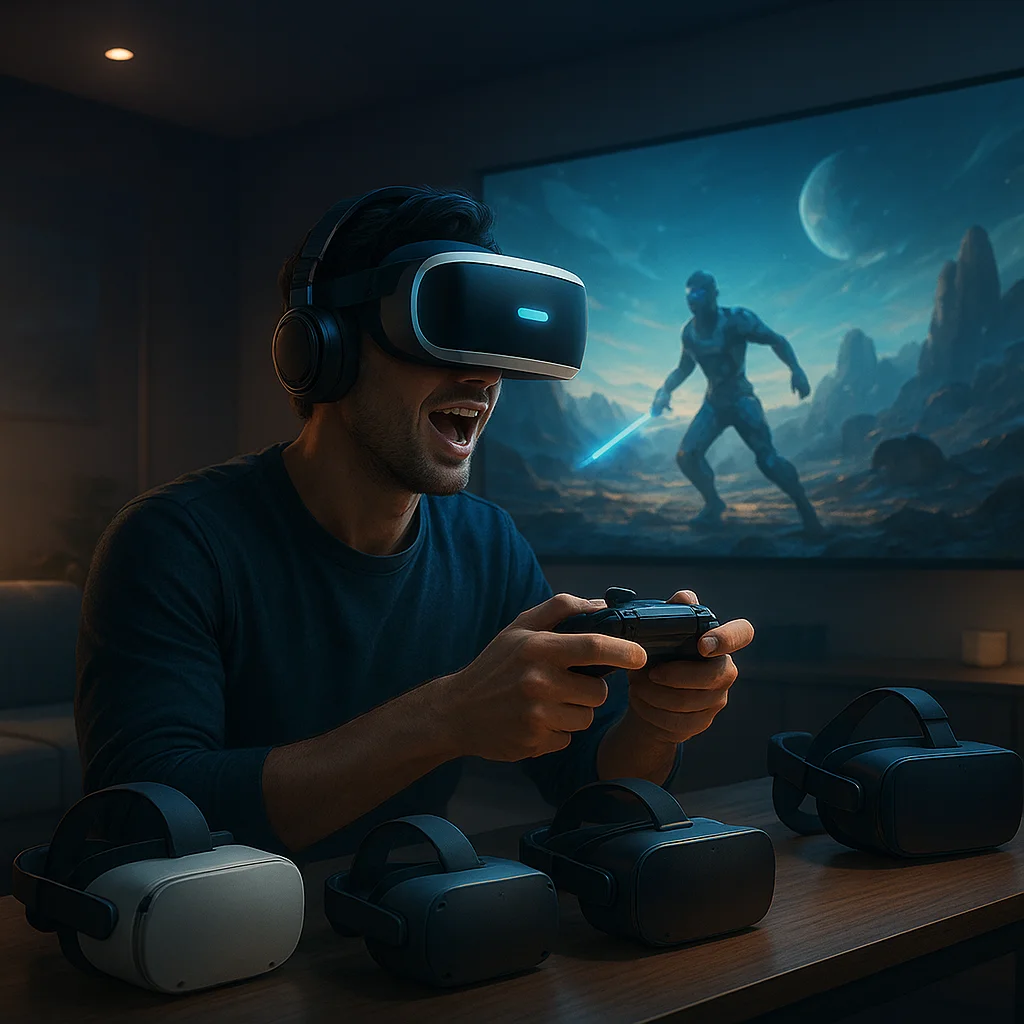
Picture this: a bustling gaming café in Bengaluru, where the latest VR headsets are the stars of the show. Gamers donning sleek devices, their eyes engulfed in vibrant, immersive worlds — from sprawling fantasy realms to futuristic battlegrounds. Yet, even amid the excitement, those VR adventures often hit frustrating snags. Despite 2026 ushering in more powerful and affordable VR gear, players still stumble into familiar pitfalls that hamper their experience.
Virtual reality gaming, propelled by rapid tech advancements and growing esports scenes, promises a revolution in interactivity. But beneath the surface, many enthusiasts face challenges from hardware limitations to user errors. These issues are not just minor annoyances; they shape how the Indian gaming community and global players engage with VR, influencing adoption and enthusiasm.
Understanding common mistakes in VR gameplay and knowing which headsets truly deliver in 2026 can dramatically elevate your experience. This article dives deep into these aspects, blending technical insight with practical advice that resonates with both casual gamers and esports pros.
Tracing VR Gaming’s Journey: From Clunky Beginnings to 2026’s Sophistication
Virtual reality gaming’s roots stretch back decades, but it was only in the late 2010s that consumer VR began to gain traction. Early devices like the Oculus Rift and HTC Vive laid a foundation, offering immersive 3D environments but suffering from bulky designs and high costs. Indian gamers flocked to internet cafés to try these contraptions, often battling motion sickness and hardware glitches.
Fast forward to 2026, and the landscape has transformed dramatically. Improvements in display resolution, tracking accuracy, and wireless technology have made VR more accessible. Indian developers and local startups have also contributed by creating culturally nuanced VR content, boosting regional adoption. However, the journey has been peppered with missteps, many of which persist in various forms.
Key milestones shaping today’s VR scene include:
- 2016-2020: Introduction of standalone headsets like Oculus Quest, reducing dependency on PCs.
- 2021-2024: Advances in haptics and eye-tracking, enhancing immersion and reducing fatigue.
- 2025-2026: Integration of AI-driven adaptive experiences and improved social VR platforms.
Despite these advances, many gamers still struggle with problems rooted in earlier generations of VR technology, underscoring the importance of understanding common mistakes. For a deeper dive into the evolution and future trajectories, see April 2026: Exploring the Future of Virtual Reality Gaming and Top Headsets.
Common Mistakes in VR Gaming That Hinder Experience in 2026
Even the most enthusiastic VR gamers often fall into traps that degrade gameplay quality. These mistakes range from hardware setup errors to gameplay habits. Here’s a detailed look at the most prevalent issues:
- Poor Fit and Adjustment: Many players neglect the importance of properly fitting their VR headsets. Ill-fitted devices cause discomfort, blur imagery, and disrupt tracking. In India’s humid climate, sweaty straps and slipping headsets are common complaints.
- Ignoring Play Area Setup: VR demands a safe, clear play space. Users frequently underestimate the room needed, risking collisions or tripping hazards. This is especially problematic in smaller Indian homes or crowded gaming cafes.
- Overlooking Software Updates: Firmware and software updates often contain crucial performance improvements and bug fixes. Skipping these can lead to glitches, crashes, and reduced tracking precision.
- Underestimating Motion Sickness: Despite improvements, VR-induced motion sickness remains a barrier. Many players push through discomfort without adjusting settings like frame rates, locomotion methods, or session lengths.
- Using Incompatible or Low-Quality Accessories: Choosing cheap third-party controllers or headphones can degrade immersion and responsiveness, spoiling the gaming experience.
- Neglecting Calibration and Sensor Placement: Incorrect calibration or poorly placed external sensors compromise tracking accuracy, causing jittery or delayed movements in-game.
- Jumping Into Complex Games Too Soon: VR games often have steep learning curves. Beginners diving into intense titles without acclimatization can become frustrated and discouraged.
“Many VR users overlook the crucial step of environment preparation, which is just as important as the headset itself. A cluttered or unsafe play area can lead to accidents and diminish immersion.” – VR industry analyst, Mumbai
Addressing these mistakes requires patience and education. Gaming cafés in Bengaluru have started offering VR tutorials to help users get accustomed to gear and surroundings, reflecting a growing awareness in the Indian gaming community.
Best Virtual Reality Headsets for Gaming in 2026: Features, Comparisons, and User Insights
The headset you choose can make or break your VR experience. The market in 2026 is crowded with options, each boasting unique strengths catering to different needs and budgets. Here’s an overview of top contenders and what sets them apart:
- Meta Quest Pro 2: Leading the standalone category with superior resolution (2160 x 2160 per eye), advanced eye tracking, and mixed reality capabilities. Its wireless design suits casual and pro gamers alike.
- Valve Index 2: Favored by hardcore PC VR gamers for its ultra-high refresh rate (up to 144Hz), wide field of view, and precise finger tracking. Requires a powerful PC rig but offers unmatched immersion.
- PlayStation VR2: Exclusively for PlayStation 5, it features OLED displays, adaptive triggers, and haptic feedback in controllers. Ideal for console gamers wanting premium VR without PC hassles.
- Pico 5 Pro: Gaining popularity in Asian markets, including India, due to its competitive pricing, solid performance, and enterprise-grade tracking technology.
- HP Reverb G3: Known for its impressive 4K resolution and compatibility with Windows Mixed Reality, this headset suits simulation and esports titles demanding crystal-clear visuals.
Indian gamers often prioritize comfort and affordability alongside specs. The Meta Quest Pro 2, despite its higher price point, sees growing adoption in Bengaluru and Mumbai gaming hubs because it combines power with portability. Meanwhile, Valve Index 2 appeals to esports pros who demand the lowest latency and highest fidelity.
“In 2026, the choice of VR headset is no longer about just hardware specs but about ecosystem and content availability, which greatly influence user satisfaction.” – Vivek Sharma, esports coach, Bengaluru
For a comprehensive comparison of these devices, readers may refer to The Future of VR Gaming and Top Headsets in 2026.
Current Developments in VR Gaming: What 2026 Brings to the Table
The VR scene in 2026 is energized by several technological breakthroughs and market shifts. Key trends shaping the present include:
- AI-Enhanced Gameplay: Artificial intelligence now personalizes VR experiences, dynamically adjusting difficulty, NPC behavior, and environmental responses to player actions.
- Wireless Freedom and Lightweight Designs: Improvements in battery tech and wireless streaming reduce tethering, letting gamers move with fewer restrictions.
- Social VR Expansion: Platforms like Horizon Worlds and Indian startups offer shared VR spaces for esports tournaments, social meetups, and co-op gaming.
- Cross-Platform Integration: Increased interoperability allows players on different headsets to join multiplayer games seamlessly.
- Health and Comfort Innovations: New materials in headset padding and cooling systems tackle discomfort, crucial for longer sessions typical in esports.
These developments reflect a maturation of the VR industry, moving beyond novelty to practical, everyday use in gaming and esports. Indian esports leagues have started integrating VR qualifiers, signaling growing institutional recognition.
According to Daily Mail’s 2026 sports tech review, these technological advances are driving a "tech revolution" that is transforming how players train and compete.
Expert Insights and Industry Impact: VR Gaming’s Role in India and Beyond
Industry insiders see VR gaming as a cornerstone for the future of interactive entertainment, especially in emerging markets like India. However, experts emphasize the necessity of overcoming prevalent mistakes to unlock VR’s full potential.
Dr. Ananya Rao, a VR researcher at IIT Bombay, highlights the importance of localized content and affordable hardware. “India’s diverse demographics require VR games that resonate culturally while hardware must be cost-effective to reach mass markets,” she explains. This insight aligns with the rise of Indian-developed VR titles focusing on mythology and Bollywood-themed narratives.
Meanwhile, esports organizers note that VR’s immersive nature offers new avenues for spectator engagement but demands robust infrastructure. “Latency and tracking errors can ruin competitive matches, so accuracy and reliability in hardware remain paramount,” says Rahul Mehta, esports event coordinator in Delhi.
“VR is not just another gaming platform; it is an entirely new dimension of interaction. Avoiding common pitfalls is key to building a sustainable ecosystem.” – Ananya Rao, VR Researcher
For Indian gamers eager to enhance their audio experience alongside VR, consulting resources like Best PC Gaming Headsets for 2026 can be invaluable.
Looking Ahead: What to Watch in the Future of VR Gaming
The trajectory of VR gaming suggests exciting possibilities but also challenges to navigate. Key takeaways for gamers and industry watchers include:
- Improved Affordability: Expect more budget-friendly headsets that do not compromise on performance, boosting adoption in regions like India.
- Enhanced Content Diversity: From esports to Bollywood-inspired VR narratives, content will become richer and more varied.
- Greater Health Focus: Innovations addressing motion sickness and ergonomic design will make longer sessions comfortable.
- Expanding Social and Competitive VR: Integration of VR into mainstream esports and social platforms will deepen community engagement.
- Regulatory and Privacy Considerations: As VR collects sensitive biometric data, frameworks ensuring user privacy will emerge.
Staying informed and avoiding common mistakes will remain critical for gamers seeking to maximize their VR experience. The Indian gaming community, vibrant and rapidly evolving, stands poised to be a major player in this virtual frontier.
For those interested in a broader overview of VR’s future, including hardware and gaming trends, the article April 2026: Exploring the Future of Virtual Reality Gaming and Top Headsets is a must-read.
In closing, VR gaming in 2026 is at a fascinating crossroads. The technology has matured, yet common mistakes persist, preventing many from enjoying seamless immersion. Choosing the right headset and mastering setup are essential steps. As the industry continues to innovate, especially in India’s dynamic market, VR promises not just games but entire worlds waiting to be explored.
























Sign in to leave a comment.