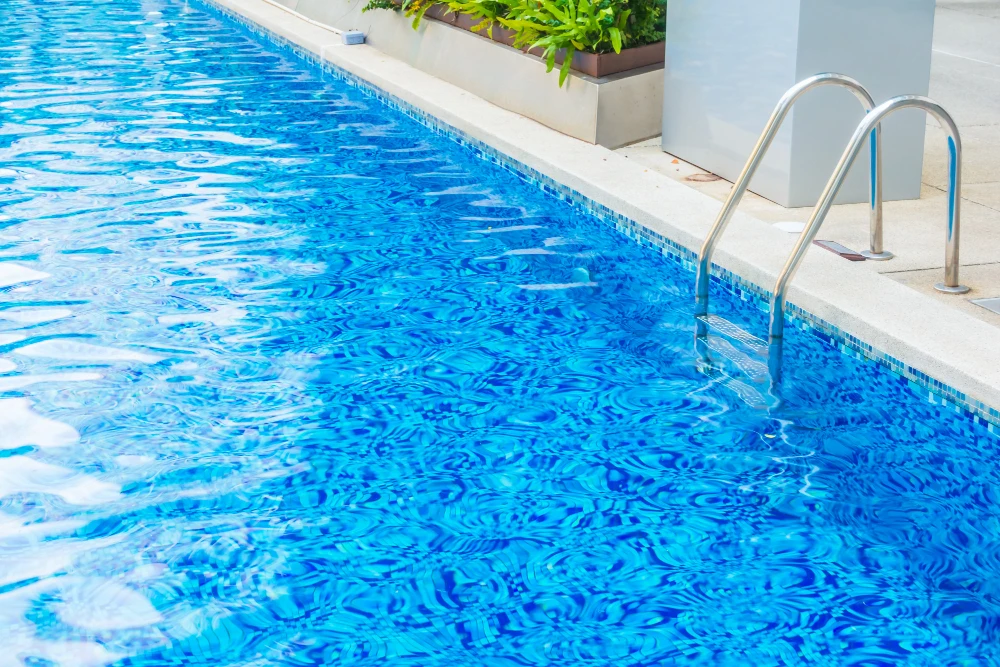

Owning a pool is a joy, especially during Australia’s long, hot summers. However, it also comes with responsibilities. Without proper care, a pool can quickly become a source of frustration, costly repairs, and even health risks. Many pool owners rely on products like chlorine tablets to keep their water clean, but maintaining a healthy pool requires more than just tossing in chemicals. In this article, we’ll explore some of the most common pool care mistakes—and, more importantly, how you can avoid them to keep your pool sparkling and safe.
1. Ignoring the Importance of Regular Testing
One of the biggest mistakes pool owners make is not testing their water regularly. Pool water needs to be balanced in terms of pH, alkalinity, and sanitiser levels. Without regular testing, you won’t know what’s off, and an imbalance can lead to murky water, algae growth, or even skin and eye irritation for swimmers.
How to avoid it:
Test your pool water at least once a week using a reliable test kit or test strips. During heavy use or after heavy rains, test more frequently. Many pool supply stores also offer free water testing—take advantage of this to double-check your readings.
2. Adding Chemicals at the Wrong Time
Timing matters when it comes to adding chemicals to your pool. Adding them during the hottest part of the day can reduce their effectiveness, especially if you're using shock treatments. Sunlight can cause chlorine to dissipate faster, making it less effective.
How to avoid it:
Add chemicals in the evening or early morning when the sun is low. Make sure the pool pump is running to help circulate the chemicals evenly throughout the water.
3. Running the Pump for Too Little Time
Some pool owners try to save money by cutting back on how long they run the pump. While this might lower your electricity bill in the short term, it can lead to bigger issues later. The pump circulates water, ensuring that chemicals are evenly distributed and debris is filtered out. If the water isn't circulating enough, bacteria and algae can quickly grow.
How to avoid it:
As a rule, run your pool pump for 8 to 12 hours a day. In hotter months, you may need to run it longer. If you're unsure, consult your pool technician or refer to your pump manufacturer’s guidelines.
4. Neglecting to Clean the Pool Filter
Your pool filter is like the kidneys of your pool—it plays a crucial role in keeping the water clean by removing dirt and debris. Over time, the filter can get clogged, reducing its effectiveness and making your pump work harder.
How to avoid it:
Check your filter pressure gauge regularly. A higher-than-normal reading often means the filter needs cleaning. Backwash sand or DE filters when needed, and clean cartridge filters every few weeks, depending on usage.
5. Brushing and Skimming Infrequently
Brushing the pool walls and floor is often overlooked. Algae and dirt can cling to these surfaces, especially in corners and near steps. Skimming helps remove leaves, bugs, and debris before they sink to the bottom or clog the filter.
How to avoid it:
Skim the surface daily and brush the walls at least once a week. Pay extra attention to shady areas where algae is more likely to grow.
6. Overusing Pool Shock
While shocking the pool is necessary to kill bacteria and algae, too much of it can cause problems. Overuse can lead to high chlorine levels, which may damage pool equipment and irritate swimmers' skin and eyes.
How to avoid it:
Only shock the pool when needed—after heavy usage, a storm, or if the water looks cloudy. Always follow the product instructions and wait the recommended time before swimming.
7. Not Monitoring Water Levels
Water levels naturally change due to evaporation, splashing, or rainfall. If the water gets too low, the pump can run dry, leading to mechanical damage. If it’s too high, the skimmer won’t work properly.
How to avoid it:
Keep the water level at about halfway up the skimmer opening. Top up or drain as needed, and check more frequently after heavy rainfall or hot weather.
8. Using Poor-Quality or Wrong Products
Not all pool products are created equal. Cheap or unsuitable products may save you a few dollars upfront. Still, they can end up costing more by damaging your pool’s surface or throwing off chemical balances.
How to avoid it:
Use reputable brands and follow your pool’s specific requirements, especially if you have a vinyl, fibreglass, or concrete pool. When in doubt, ask a pool professional.
9. Forgetting to Winterise Your Pool
In cooler parts of Australia, leaving your pool untreated during winter can result in algae growth, staining, and equipment damage. Many owners mistakenly think their pool doesn’t need care when it's not being used.
How to avoid it:
Before winter sets in, clean the pool, balance the water, and add a winterising algaecide. Cover the pool to keep out leaves and debris. Run the pump occasionally to keep the water circulating.
10. Not Seeking Professional Help When Needed
Many pool owners try to do everything themselves, which is great in theory—but sometimes it's best to call in the experts. Whether it's a complex water chemistry issue or a failing pump, a professional can save you time and money in the long run.
How to avoid it:
Don’t wait until your pool is green or your equipment is broken. Schedule regular servicing with a local pool technician, especially at the beginning and end of the swimming season.
Final Thoughts
Taking care of your pool doesn’t have to be a full-time job, but it does require consistency and a bit of know-how. Avoiding these common mistakes will not only save you money but also ensure your pool stays clean, healthy, and ready for a swim whenever the sun is out.
By staying on top of water testing, keeping your equipment clean, and understanding the needs of your specific pool setup, you’ll enjoy peace of mind and a pool that’s always ready for fun.

























Sign in to leave a comment.