
Safe storage of liquid chemicals is critical in industries ranging from manufacturing and agriculture to healthcare and mining. Improper storage can lead to severe consequences such as fires, environmental damage, injuries, or even fatalities. Whether it involves acids, solvents, fuels, or cleaning agents, every liquid chemical poses some level of risk. Therefore, understanding and implementing the correct safety measures is essential not only for compliance with Australian safety regulations but also for the long-term sustainability of any operation.
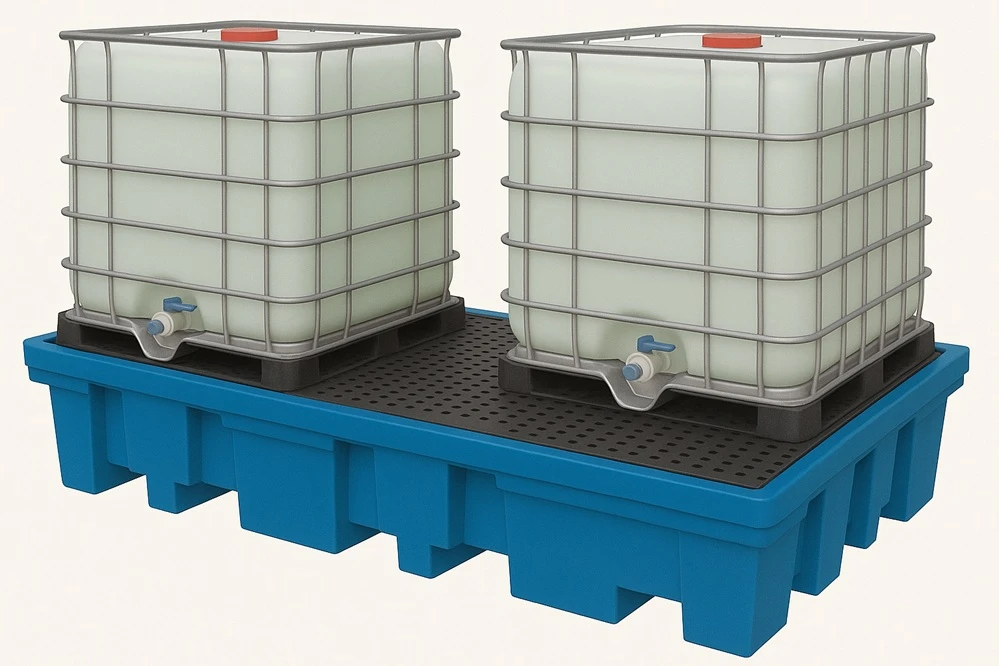
One of the foundational safety strategies for liquid chemical storage is the use of a chemical bund. This containment structure is designed to prevent spills from spreading into the surrounding environment. It acts as a secondary barrier that captures leaks or overflows from primary storage tanks, significantly reducing the risk of ground or water contamination.
While chemical bunds form a strong line of defence, they are only one piece of a much broader safety framework. Several other precautions, systems, and practices must be put in place to ensure that liquid chemical storage remains safe, compliant, and reliable.
Understanding Chemical Hazards
Before diving into storage practices, it is vital to understand the hazards posed by different chemicals. Each substance has its own unique set of risks, such as flammability, corrosivity, toxicity, and reactivity. Storing incompatible substances together can cause violent reactions, including explosions or the release of toxic fumes. For example, acids should not be stored near bases, and oxidising agents must be kept away from organic materials.
Safety Data Sheets (SDS) provide detailed information about each chemical, including its hazards, handling procedures, and storage requirements. Staff should be trained to read and understand these sheets as part of their general workplace safety education.
Choosing the Right Storage Containers
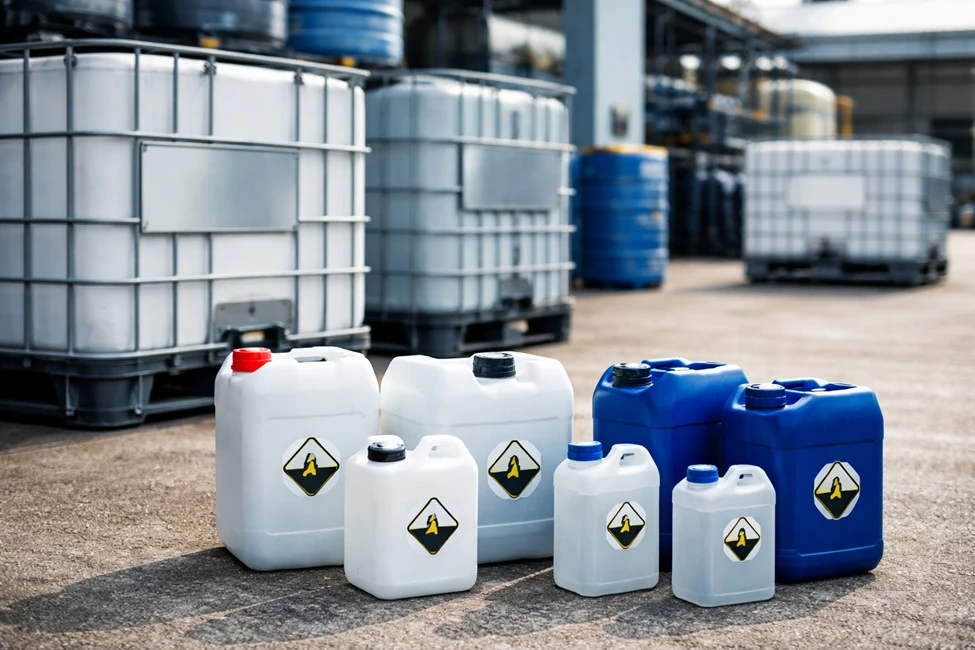
Not all containers are suitable for all chemicals. The material of the container must be compatible with the chemical it holds. For instance, strong acids may corrode metal tanks, while solvents might dissolve certain plastics. Containers should be manufactured to comply with Australian Standards such as AS 3780 for corrosive substances or AS/NZS 1940 for flammable liquids.
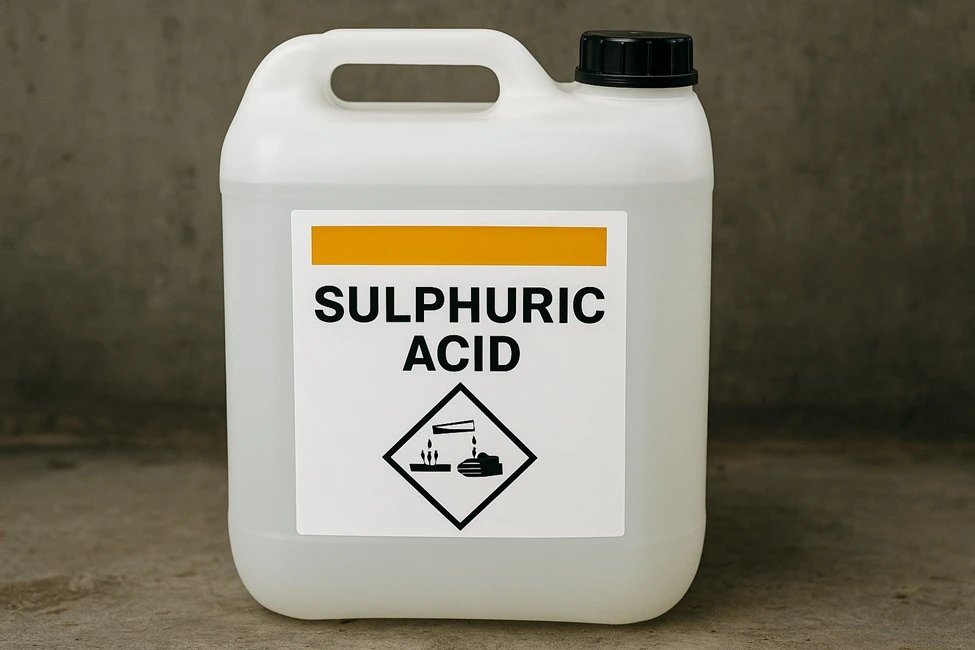
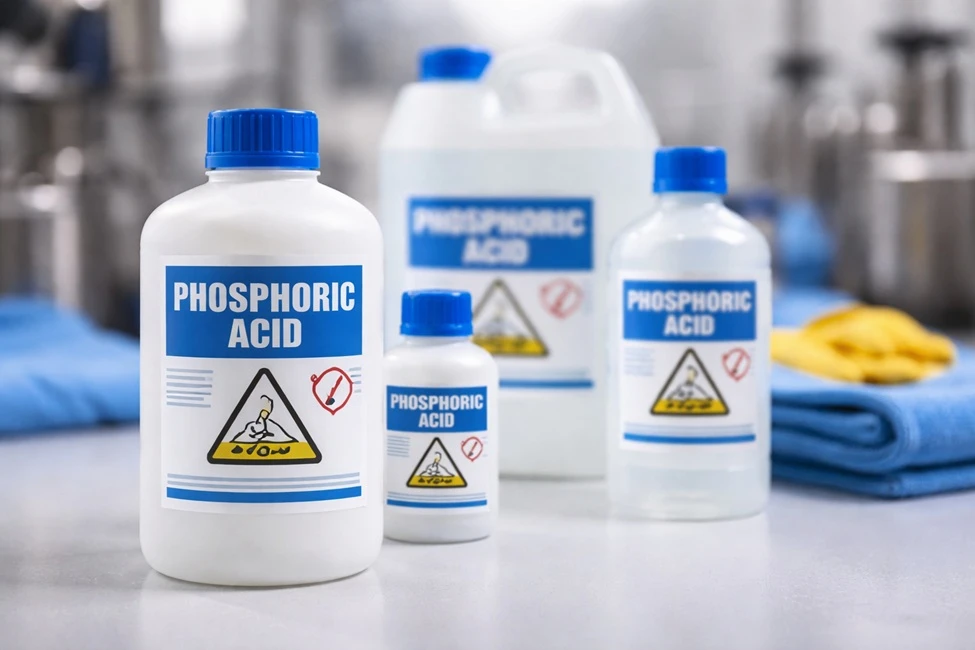
Labels should be applied clearly and permanently to every container, specifying the chemical name, hazard class, and any special handling instructions. Regular inspections must be carried out to detect wear, corrosion, bulging, or leaks.
Ventilation and Temperature Control
Liquid chemicals often release vapours that can accumulate in enclosed spaces. Without adequate ventilation, these vapours may reach concentrations that are harmful or flammable. Proper air circulation helps disperse these fumes and maintain a safe working atmosphere.
Additionally, certain chemicals require storage within specific temperature ranges. Exposure to high temperatures may lead to increased vapour pressure, raising the risk of leaks or even explosions. On the other hand, freezing temperatures might cause some liquids to expand, rupture containers, or become unstable. Temperature control systems such as climate-controlled rooms or insulated storage can prevent these issues.
Fire Safety Measures
Flammable liquids are a major concern in chemical storage. All storage areas must be equipped with fire suppression systems appropriate for the types of chemicals present. These systems might include sprinkler systems, dry chemical extinguishers, foam systems, or gas-based suppression units.
Electrical equipment and wiring in the area must be rated for use in hazardous environments. Spark-producing devices should be strictly prohibited. Grounding and bonding procedures help prevent static electricity from igniting flammable vapours.
Emergency exits must always be well-marked and accessible. Staff should be trained in evacuation procedures and the use of fire-fighting equipment. Regular fire drills can ensure everyone remains familiar with their roles in an emergency.
Spill Containment and Response
Even with the best systems in place, spills may still occur. Having a clear and effective spill response plan is crucial. The plan should include:
- Quick identification and communication of the spill
- Evacuation procedures if necessary
- Use of personal protective equipment (PPE)
- Containment using absorbents, dikes, or barriers
- Safe clean-up and disposal of waste
Kits containing absorbent materials, neutralisers, tools, and PPE must be readily available in all storage areas. These kits should be checked regularly and replenished as needed.
Staff must be trained not only to respond to spills but also to prevent them through careful handling, correct transfer procedures, and equipment checks.
Segregation and Organisation
Chemicals should be organised and segregated based on compatibility. For example, oxidisers must be stored away from flammables, and acids should be separated from bases. Dedicated storage cabinets or rooms can help achieve proper segregation. Physical barriers, distance, and containment units can further reduce the risk of reactions between incompatible chemicals.
Shelving must be strong, chemical-resistant, and properly secured to prevent tipping. Heavy containers should be stored at lower levels, while lighter ones can be placed higher. This reduces the risk of injuries from lifting and falling containers.
Monitoring and Inspections
Routine inspections are a non-negotiable part of chemical safety. Storage areas must be checked for leaks, corrosion, damaged containers, signs of chemical reaction, or improper labelling. All safety systems, including fire suppression, ventilation, and spill kits, must be maintained in good working order.
Records of inspections should be kept for auditing purposes and used to track recurring issues or areas of concern. In addition, chemical inventories should be updated regularly to account for stock usage, expiry dates, and reordering requirements.
Staff Training and PPE
Even the best-designed system can fail if staff are not adequately trained. Employees must receive ongoing training on safe handling practices, emergency response, spill control, and the use of PPE. They should understand the hazards associated with each chemical and know the correct procedures for transfer, transport, and disposal.
PPE requirements vary depending on the chemical. Common equipment includes gloves, safety goggles, face shields, aprons, and respirators. Employers must ensure the availability, proper fitting, and maintenance of all protective gear.
Documentation and Legal Compliance
In Australia, chemical storage must comply with a range of federal and state regulations. These include the Work Health and Safety (WHS) regulations, environmental laws, and local fire codes. Compliance involves proper documentation, licensing, and reporting.
Organisations should maintain up-to-date records of SDSs, risk assessments, training sessions, inspection logs, incident reports, and waste disposal activities. Failure to comply with regulations can lead to legal penalties, insurance issues, and increased operational risk.
Designing a Safe Storage Facility
From the ground up, the design of a storage facility should reflect the specific needs of the chemicals it holds. Drainage systems should prevent contamination of soil or waterways. Floors must be non-slip, chemically resistant, and easy to clean. Lighting should be bright, safe, and allow easy reading of labels and signs.
Clear signage is another important feature. Warning signs, emergency contacts, hazard classifications, and safe work procedures must be prominently displayed.
Access to storage areas should be restricted to authorised personnel only. Key card entry systems, locks, and surveillance can help control access and deter unauthorised use.
Conclusion
The safe storage of liquid chemicals involves more than placing containers on shelves. It requires a comprehensive, proactive approach that considers every aspect of safety—from containment and compatibility to ventilation, fire protection, and staff training.
While a chemical bund offers vital protection against spills, it is just one of many measures needed to prevent accidents and protect people, property, and the environment. With proper systems, regular maintenance, and a strong safety culture, any organisation can meet its obligations and operate with confidence when handling hazardous liquids.



























Sign in to leave a comment.