

Pranayama is an important part of yoga that focuses on breathing techniques and breath control. Regular practice can help you become more aware of your breathing and may support relaxation. However, learning the correct technique is important, especially for beginners.
Many people make small mistakes when practising pranayama. Some breathe too forcefully, hold their breath for too long, or try difficult techniques before learning the basics. These mistakes can make the practice uncomfortable and may prevent them from learning the correct method.
The good news is that most beginner mistakes can be avoided with simple changes. You do not need to master every breathing technique at once. Start slowly, focus on your comfort, and learn each practice step by step.
In this article, we will discuss common pranayama mistakes and how to avoid them so you can develop a safer and more comfortable practice.
1. Breathing Too Forcefully
One common mistake is trying to breathe as deeply or strongly as possible. Some beginners believe that taking bigger breaths will make pranayama more effective. However, forcing your breathing can cause discomfort, dizziness, or a feeling of breathlessness.
Pranayama is not about using the maximum amount of air. The aim is to follow the breathing technique correctly and remain comfortable.
How to avoid it:
- Begin with gentle, natural breathing.
- Avoid forcing air in or out of your lungs.
- Keep your face, jaw, shoulders, and neck relaxed.
- Increase the intensity only when the technique allows it and you have learned the correct method.
If you feel dizzy or uncomfortable, stop the exercise and return to normal breathing.
2. Holding the Breath for Too Long
Some pranayama techniques include holding the breath for a specific period. This practice is often called breath retention. However, beginners sometimes hold their breath for longer than they can comfortably manage.
Holding the breath for too long can create tension and may cause dizziness or discomfort. It is especially important to be careful if you have a medical condition that affects your heart, lungs, or blood pressure.
How to avoid it:
Start with techniques that allow you to breathe naturally without holding your breath. If you want to learn breath retention, practise under the guidance of a qualified yoga teacher. Never force yourself to hold your breath to match someone else's timing.
The goal is to learn at your own pace, not to compete with others.
3. Practising Pranayama Too Quickly
Pranayama requires attention to breathing patterns. When beginners rush through the exercises, they may lose track of the technique or breathe irregularly.
Trying to complete many rounds in a short time can also make the practice tiring.
How to avoid it:
Begin with a small number of rounds and focus on the quality of your practice. Follow the instructions for each technique rather than trying to finish quickly.
For example, when practising alternate nostril breathing, move slowly between the nostrils and maintain a comfortable breathing rhythm. You can gradually increase the duration as you become more familiar with the practice.
4. Using the Wrong Technique
Different pranayama techniques involve different breathing patterns. A method suitable for one exercise may not be correct for another.
For example, Anulom Vilom involves alternate nostril breathing, while Bhramari Pranayama involves making a gentle humming sound during exhalation. Kapalbhati uses active, forceful exhalations and requires particular care with its technique and precautions.
Confusing these methods or copying them without proper instruction can lead to incorrect practice.
How to avoid it:
Learn one technique at a time. Read reliable instructions or learn from a qualified yoga teacher who can explain the method and correct your technique.
If you want to understand the correct method, benefits, and precautions of this breathing exercise, read more about Kapalbhati Pranayama and how to practise it.
Do not assume that all breathing exercises are suitable for everyone. Choose a practice that matches your experience and health needs.
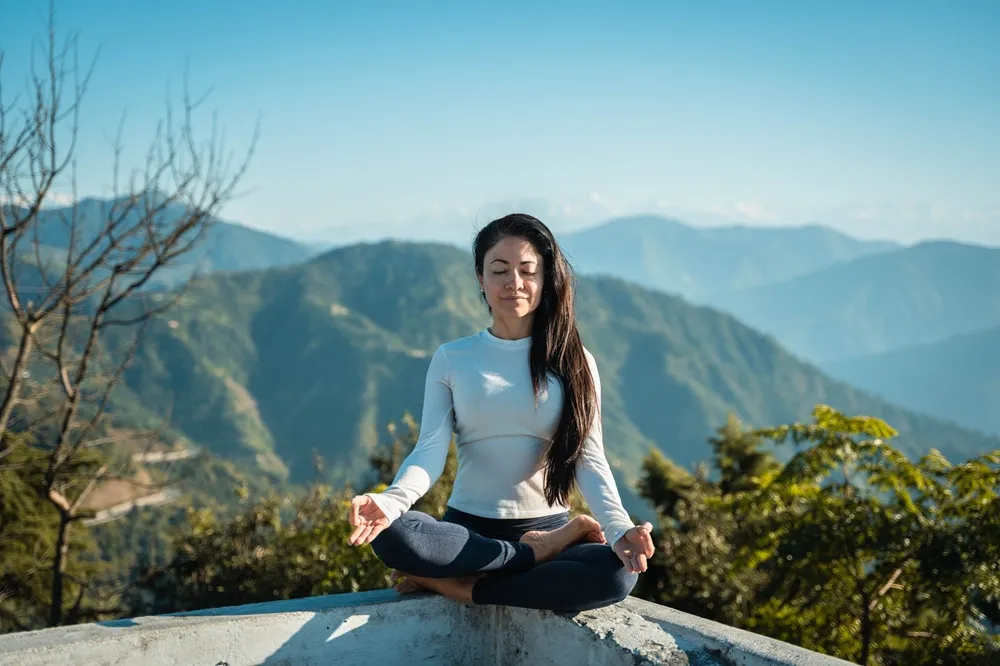
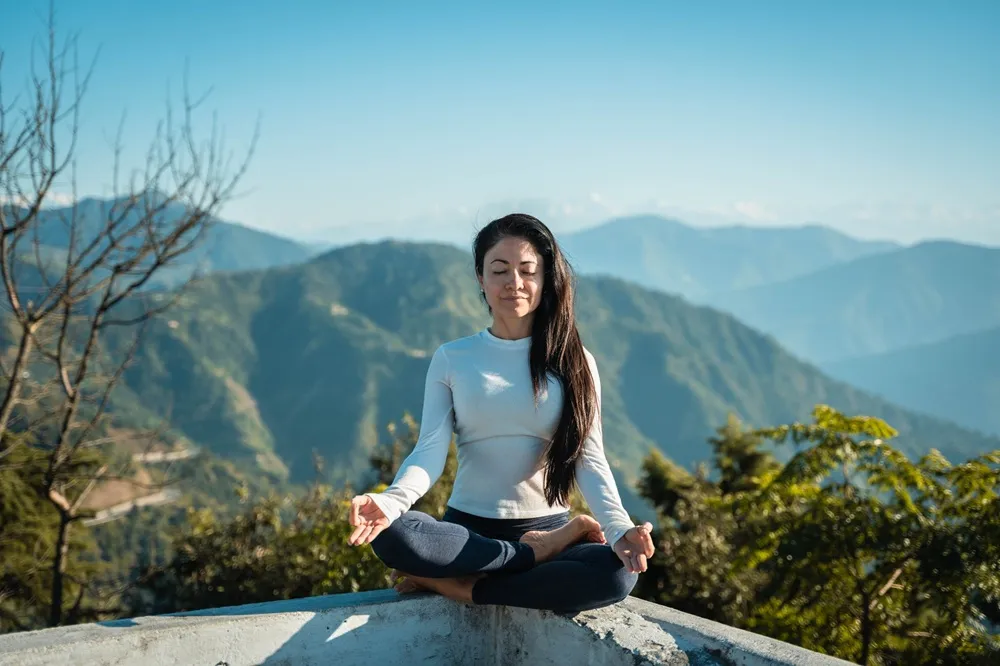
5. Sitting in an Uncomfortable Position
Your sitting position can affect how comfortably you breathe during pranayama. Some beginners try to sit in difficult cross-legged positions because they believe that this is necessary for yoga practice.
Sitting with a rounded back or tense shoulders can make it harder to maintain a comfortable breathing pattern. Pain in the knees, hips, or back can also distract you from the exercise.
How to avoid it:
Choose a position that allows you to sit comfortably with your spine in a natural, upright position. You can sit cross-legged on a cushion or on a chair with your feet resting on the floor.
Relax your shoulders and keep your hands in a comfortable position. You do not need to force your legs into a particular pose to practise pranayama.
Comfort and proper alignment are more important than looking like an experienced practitioner.
6. Practising on a Full Stomach
Practising pranayama immediately after a heavy meal may feel uncomfortable. Some breathing techniques involve abdominal movement, which can be difficult when your stomach is full.
How to avoid it:
Choose a time when you feel comfortable and your stomach is not full. Many people prefer practising in the morning before breakfast, but you can choose another suitable time.
If you have eaten a large meal, allow enough time for digestion before beginning your session. The exact timing can depend on the meal and your comfort level.
Avoid turning your routine into a strict schedule that makes you feel rushed. Find a time that works well for you.
7. Ignoring the Body's Signals
Another common mistake is continuing the exercise even when the body shows signs of discomfort. Beginners may think that dizziness, chest discomfort, or unusual breathlessness is a normal part of learning pranayama.
These symptoms should not be ignored.
How to avoid it:
Pay attention to how you feel during each exercise. Stop if you experience dizziness, pain, chest discomfort, or unusual difficulty breathing. Return to normal breathing and rest.
If symptoms are severe, continue, or include chest pain or fainting, seek appropriate medical attention.
People with high blood pressure, heart or lung conditions, a history of fainting, or other health concerns should consult a healthcare professional before practising forceful breathing exercises or breath retention. Pregnant people should also seek suitable professional guidance.
Pranayama should not involve pushing your body beyond its limits.
8. Trying Advanced Techniques Too Early
It is natural to become interested in advanced pranayama techniques when you begin learning yoga. However, trying difficult exercises before understanding the basics can make the practice confusing or uncomfortable.
Some techniques involve forceful breathing, specific breathing ratios, or breath retention. These methods may not be appropriate for beginners without proper guidance.
How to avoid it:
Build your practice gradually. Start with natural breath awareness and gentle breathing exercises before moving on to more demanding methods.
Learn the purpose, steps, and precautions of each technique before practising it. If an exercise feels difficult, return to a simpler method and ask a qualified yoga teacher for guidance.
There is no need to rush your progress. Learning the basics properly helps you develop a more consistent practice.
9. Expecting Immediate Results
Some people start pranayama expecting to feel relaxed immediately or notice major changes within a few days. When they do not experience these results, they may feel that they are practising incorrectly.
Everyone responds differently to breathing exercises. Some people may find the practice calming, while others may need time to become comfortable with it.
How to avoid it:
Focus on learning the technique instead of expecting a particular result after every session. Start with a few minutes and practise regularly if it feels suitable for you.
Notice small changes, such as becoming more aware of your breathing or finding it easier to sit quietly. Avoid comparing your experience with other people's results.
Consistency, patience, and correct instruction are more useful than trying to achieve quick results.
10. Being Inconsistent With Practice
Practising for a long time one day and then stopping for several weeks can make it harder to develop a routine. Beginners sometimes make their sessions too long, which can become difficult to maintain alongside work and other responsibilities.
How to avoid it:
Choose a short and manageable routine. Even a few minutes of gentle breathing can give you time to focus on the practice.
Try practising at a time that fits naturally into your day, such as after waking up or before your evening meditation. Keep your routine simple and increase the duration only when you feel ready.
If you miss a day, start again the next day instead of feeling discouraged.
11. Practising Without Proper Guidance
Online videos and articles can introduce you to different pranayama techniques, but instructions may vary. A beginner may find it difficult to understand the correct breathing pattern, posture, or precautions from written instructions alone.
This is especially important for techniques that involve forceful breathing or breath retention.
How to avoid it:
Learn the basics from a reliable source and consider taking guidance from a qualified yoga teacher. A teacher can help you understand the technique, notice common mistakes, and select suitable exercises for your experience level.
At Samadhi Yoga Ashram, pranayama is one of the traditional subjects included in yoga teacher training alongside yoga postures, meditation, and other areas of yoga study.
Whether you are learning independently or attending classes, make sure you understand the method before practising unfamiliar techniques.
A Few Tips for Better Pranayama Practice
Keep these simple points in mind whenever you practise:
- Find a quiet and comfortable place where you can focus.
- Sit in a position that allows you to breathe comfortably.
- Begin with gentle breathing and learn one technique at a time.
- Follow the instructions instead of copying another person's pace.
- Avoid forcing your breath or holding it beyond your comfort level.
- Learn the precautions before trying forceful or advanced techniques.
- Stop if you feel unwell and seek professional advice when needed.
- Practise regularly without putting pressure on yourself to achieve quick results.
Remember that pranayama is not a competition. The aim is to learn the technique correctly and develop awareness of your breathing.
Conclusion
Pranayama can become a useful part of your yoga routine when you learn the techniques carefully and practise within your limits. Common mistakes include breathing too forcefully, holding the breath for too long, using the wrong technique, and trying advanced exercises too early.
If you want to learn more about a specific breathing technique, take time to understand its steps and precautions before practising it. This article on Kapalbhati Pranayama, its method, and its benefits can help you explore this traditional practice in more detail.
The best way to avoid common mistakes is to start with the basics, pay attention to your body, and seek guidance when needed. You do not have to practise for long periods or master every technique at once.
Take your time, focus on comfortable breathing, and build a routine that suits your needs. With patience and correct instruction, you can develop a more confident and mindful approach to pranayama.

Frequently Asked Questions
Can beginners practise pranayama every day?
Many beginners can practise gentle breathing exercises regularly, provided they feel comfortable and choose suitable techniques. Start with a short session and seek guidance if you are unsure which practices are appropriate for you.
Why do I feel dizzy while practising pranayama?
Dizziness may occur when you breathe too forcefully, breathe too quickly, or hold your breath. Stop the exercise, return to normal breathing, and rest. If dizziness continues or happens repeatedly, consult a healthcare professional.
Is it necessary to hold the breath during pranayama?
No. Many breathing practices do not require breath retention. Beginners can start with gentle techniques that allow natural breathing and learn breath retention only with appropriate guidance.
Should I practise pranayama before or after yoga?
Many people practise yoga poses before pranayama because gentle movement can help them settle into a comfortable position. However, the best sequence depends on the techniques being practised and the instructions you follow.
How long should I practise pranayama as a beginner?
You can begin with a few minutes of gentle breathing and gradually adjust the duration according to your comfort. Correct technique is more important than practising for a long time.
























Sign in to leave a comment.