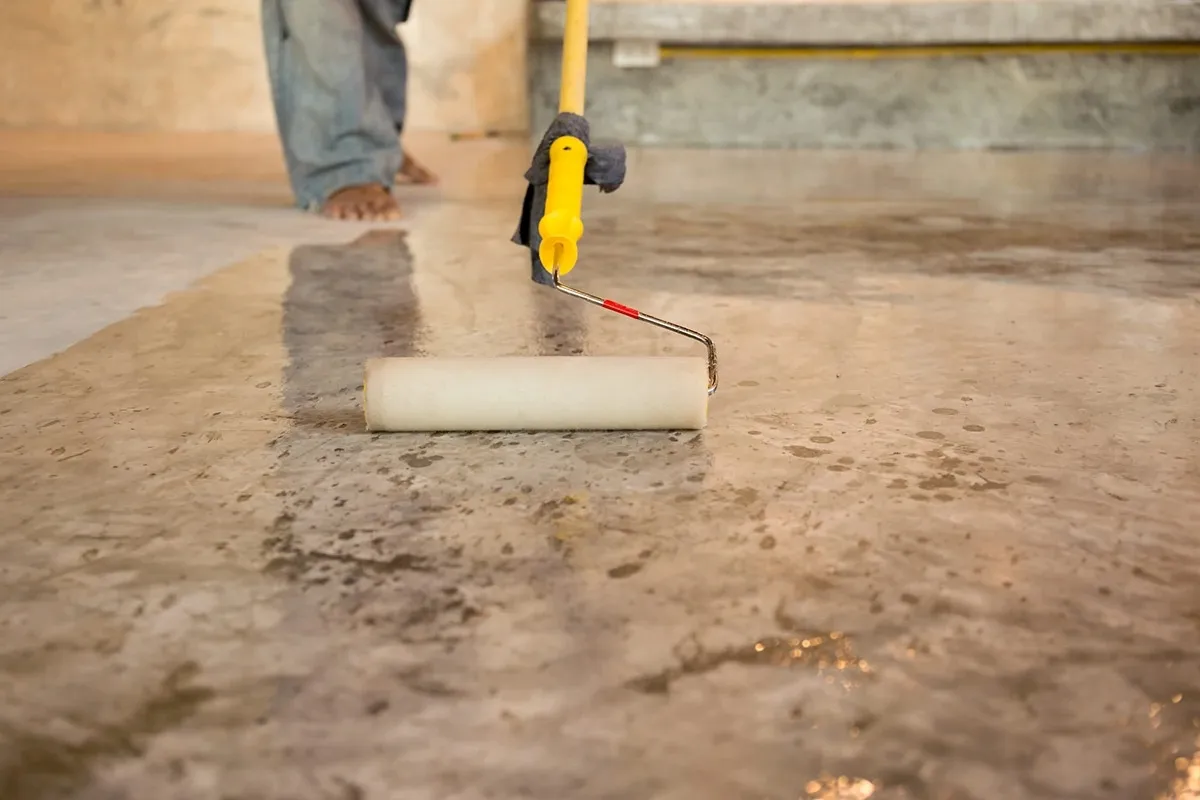

Epoxy flooring is known for its smooth finish, strong surface, and long life. Many homeowners choose it because it looks modern and is easy to clean. However, like any flooring system, epoxy can face certain problems if it is not installed or maintained properly. Small mistakes during preparation or application can lead to damage, reducing the life and appearance of the floor.
Peeling and Lifting of Epoxy
One of the most common problems in epoxy flooring is peeling or lifting. This happens when the epoxy coating does not stick properly to the concrete surface.
The main reason for this issue is poor surface preparation. If the floor is dirty, oily, or moist, the epoxy cannot bond correctly.
To avoid this problem:
- Clean the surface deeply before installation
- Remove all oil, dust, and grease
- Ensure the concrete is fully dry
Many homeowners choose professional residential epoxy flooring services because experts use proper tools and methods to prepare the surface correctly.
Air Bubbles in the Surface
Air bubbles can appear in epoxy flooring during the curing process. These bubbles create small holes on the surface, making the floor look uneven.
This issue usually happens when air is trapped inside the concrete or when the epoxy is mixed too quickly.
Prevention tips include:
- Applying epoxy in the right temperature conditions
- Mixing the material slowly and carefully
- Using proper rollers to release trapped air
Skilled providers of residential epoxy flooring services understand how to control these factors and create a smooth finish.
Cracks Showing Through the Epoxy
Epoxy coating is strong, but it does not hide major cracks in the concrete below. If the base surface has cracks, they may appear again on the epoxy layer over time.
This problem can worsen if heavy weight or pressure is applied to the floor.
To prevent this issue:
- Repair all cracks before applying epoxy
- Use fillers to level the surface
- Inspect the concrete for damage
Experienced residential epoxy flooring services always check the base surface carefully before starting the installation process.
Discolouration and Fading
Over time, epoxy flooring may lose its original colour or shine. This is more common in areas exposed to sunlight or harsh chemicals.
UV rays can cause fading, while strong cleaning products can affect the surface finish.
To maintain the colour and shine:
- Use UV-resistant epoxy coatings
- Avoid harsh chemical cleaners
- Clean the floor with mild solutions
Proper installation by residential epoxy flooring services often includes protective coatings that help prevent discolouration.
Slippery Surface Issues
Epoxy flooring has a smooth and shiny finish, which can sometimes become slippery, especially when wet. This can be a safety concern in garages, kitchens, or commercial spaces.
To reduce the risk of slipping:
- Add anti-slip materials to the epoxy coating
- Keep the floor dry
- Clean spills immediately
Professionals offering residential epoxy flooring services often include slip-resistant options to improve safety without affecting the look of the floor.
Uneven or Patchy Finish
An uneven finish can make epoxy flooring look unattractive. This issue may happen if the epoxy is not applied evenly or if the mixing ratio is incorrect.
Uneven floors may also develop if the application is rushed or done without proper tools.
Ways to avoid this problem include:
- Applying epoxy in controlled layers
- Using proper tools like rollers and squeegees
- Following correct mixing instructions
Hiring trained installers ensures a smooth and consistent finish across the entire floor.
Moisture Damage Under the Surface
Moisture trapped under the concrete can cause serious problems in epoxy flooring. It can lead to bubbling, peeling, or weak bonding.
This issue is common in areas where the ground moisture level is high.
To prevent moisture-related problems:
- Test the concrete for moisture before installation
- Use moisture barriers if needed
- Allow enough drying time
Reliable residential epoxy flooring services always check moisture levels before applying epoxy to avoid future damage.
Final Thoughts
Epoxy flooring is a strong and attractive option, but it requires proper installation and care to perform well. Problems like peeling, bubbles, cracks, and discolouration often occur due to poor preparation or incorrect application.
By following the right steps and choosing experienced residential epoxy flooring services, these issues can be avoided easily. A well-installed epoxy floor not only looks great but also provides long-lasting durability and safety for any space.



























Sign in to leave a comment.